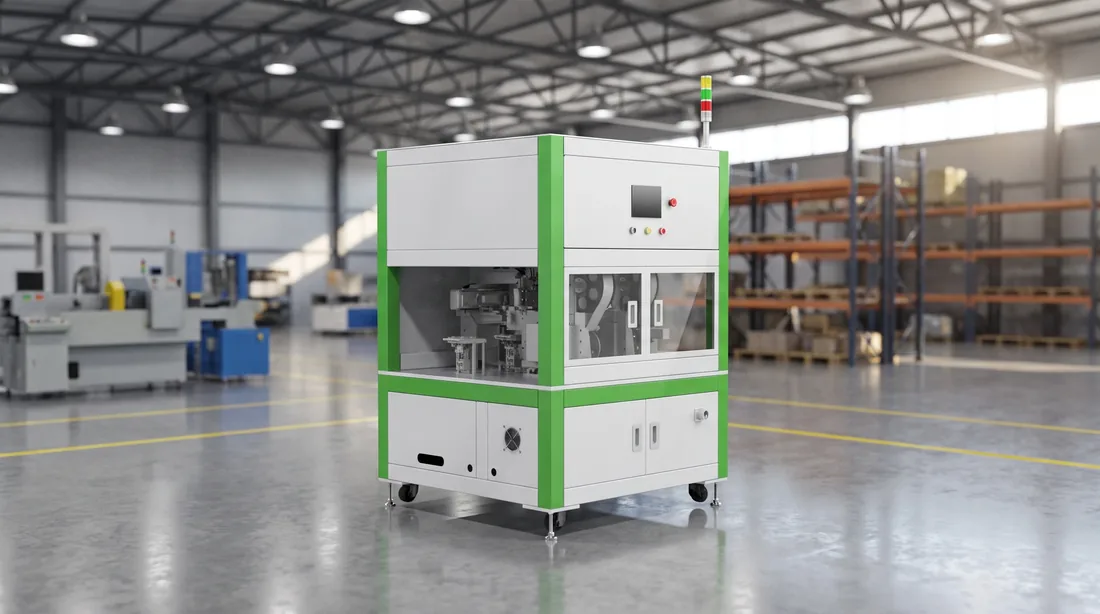
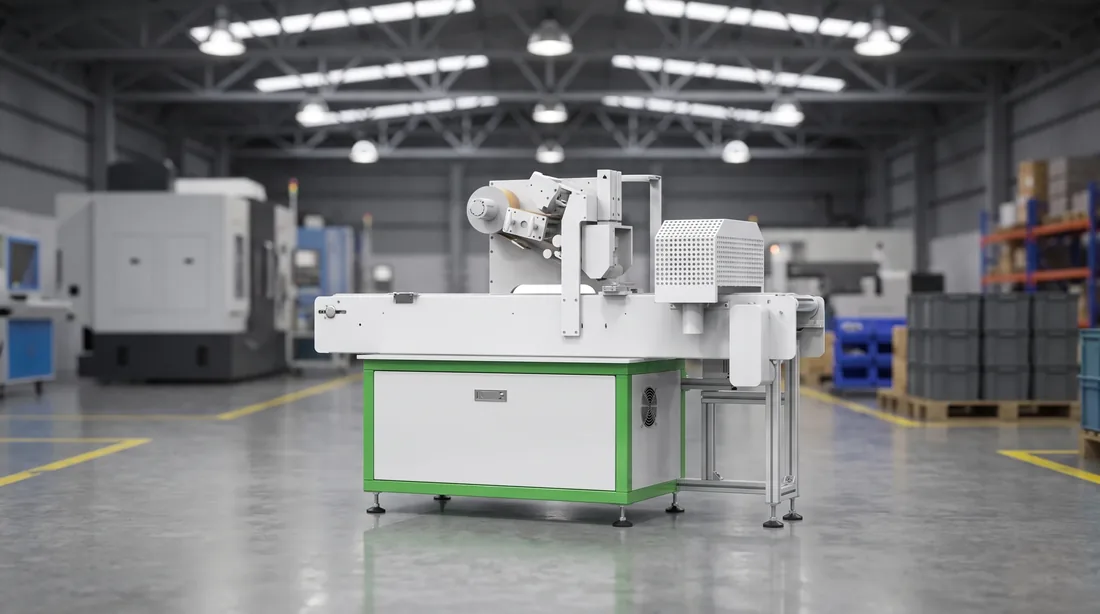
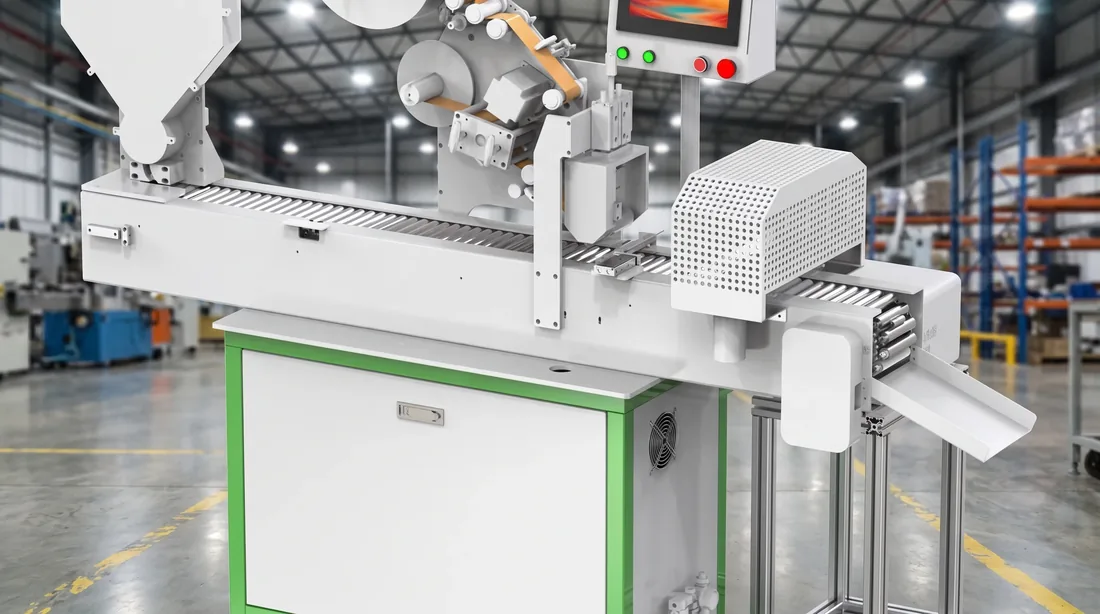
Cells in at one end, tested packs off the other — one takt across both segments +86 15327155363 [email protected]

About / four differences you can check before you reply

Every Quotation on Your Desk Says Yes.
Four Places Where Ours Says a Number Instead

You have specifications that agree with each other and suppliers that agree with you. What separates them is not in the yes — it is in what each one is willing to put on a page and be held to.

Nothing below is a claim about how large we are. All four can be checked before you write back.

The quotations agree with each other, which is the problem

Ask any of them whether they can build your pack and the answer comes back yes. The differences are in the parts nobody wrote down.

A yes costs nothing to give

Nothing in a specification obliges a supplier to say where its line stops taking your part. A range that is never printed is a range that never has to be defended.

The figures arrive later, if at all

Most specifications name equipment and describe what it does. The numbers that decide whether it did — force, accuracy, strength, resistance — come back after you ask, per enquiry, one buyer at a time.

The disagreement surfaces at commissioning

By then the bay is committed, the machines are on your floor, and the argument is about what was implied rather than about what was written.

What we sell sits between two points: cells inside your gate, and tested packs off the far end. Cell manufacturing upstream of that gate is a different plant with different equipment, and none of it is ours — the scope itself is set out on the home page. This page is only about the four places where a quotation can be checked, and most of them are not.
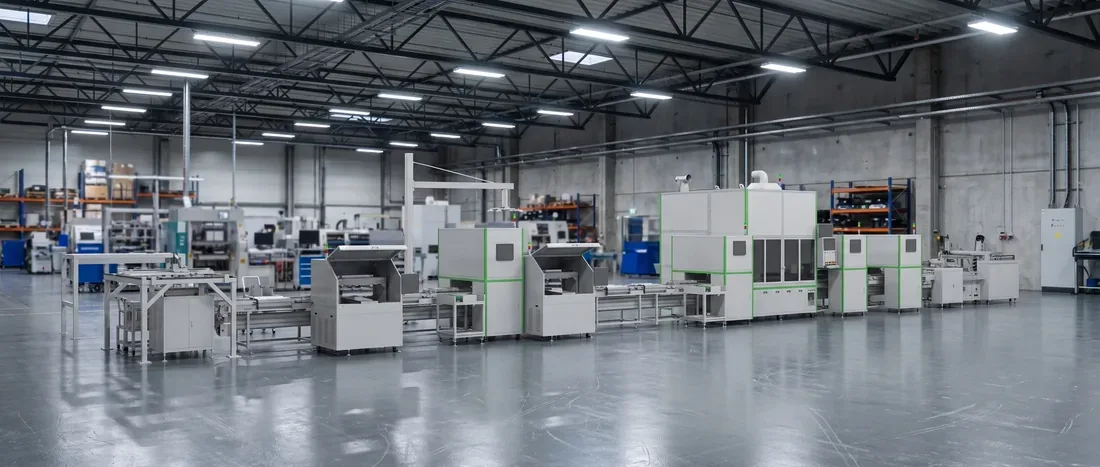
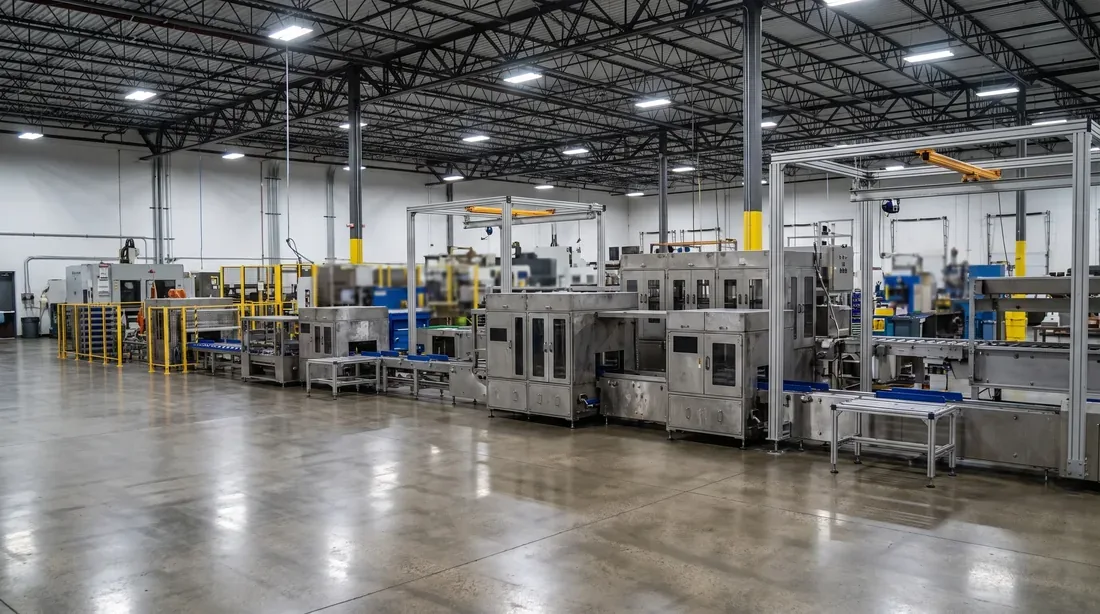
Module and pack assembly line seen along its length
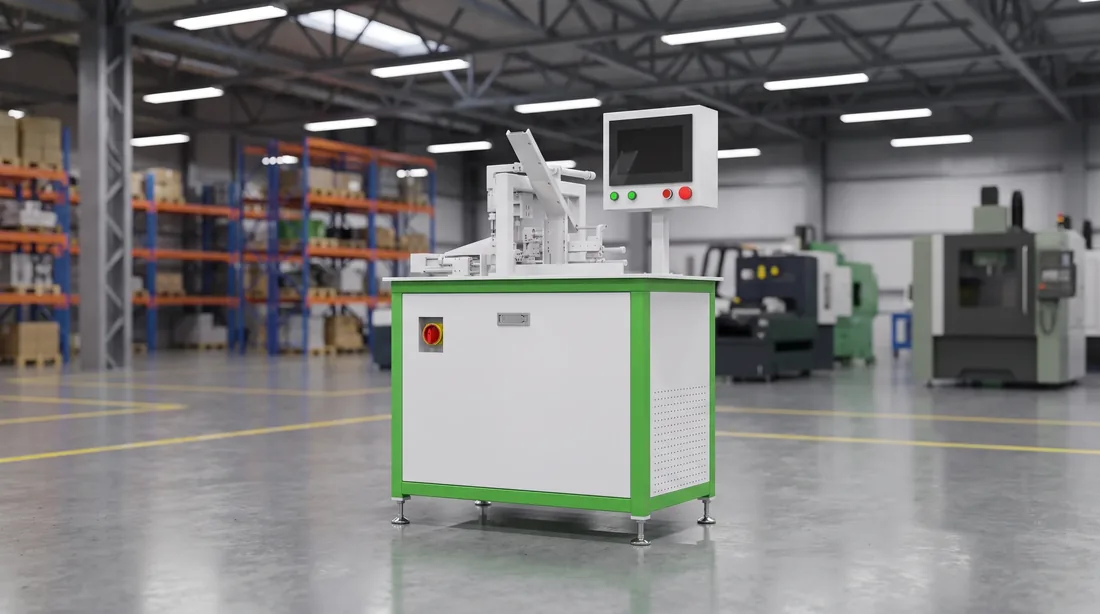
Rendering — the line all four checks are about
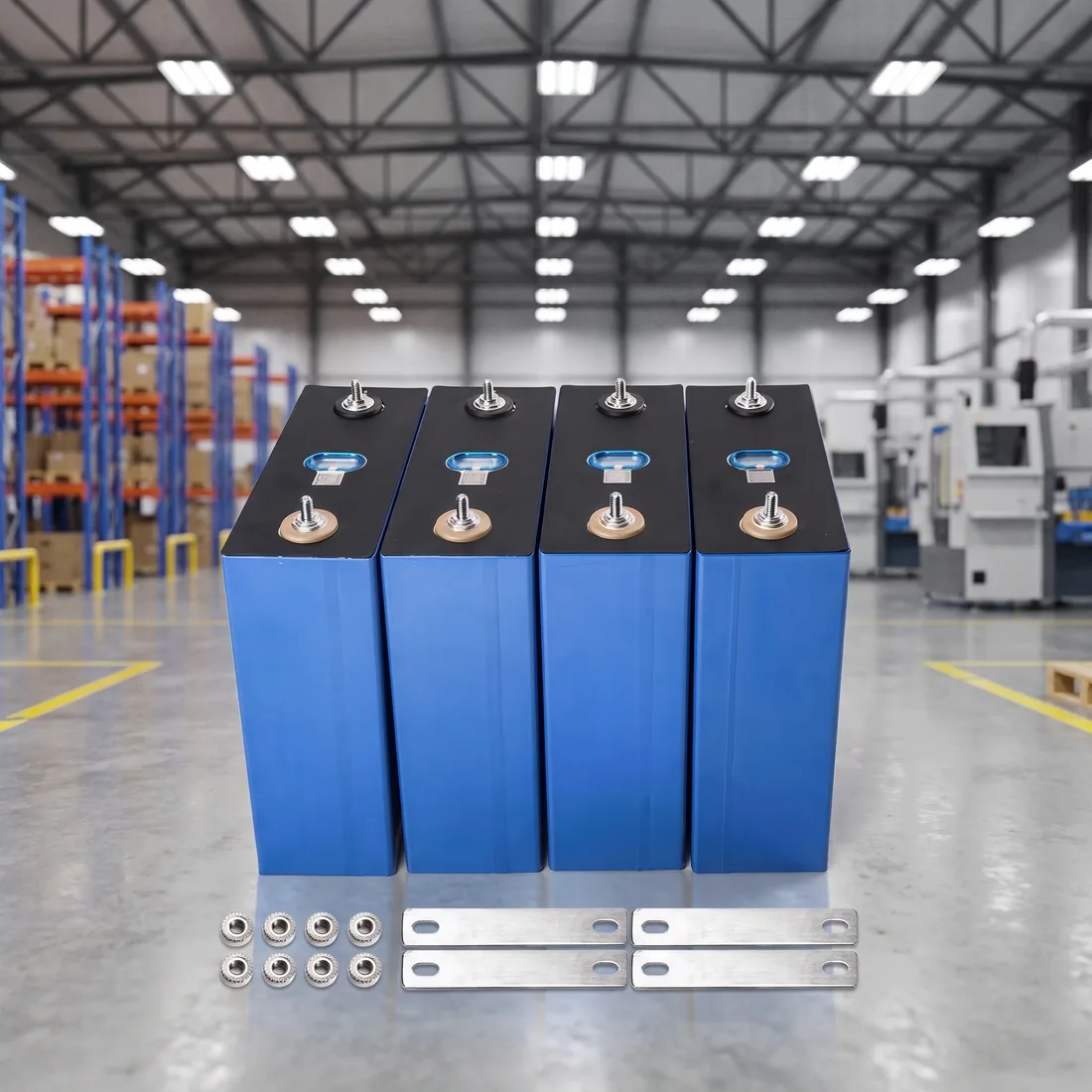
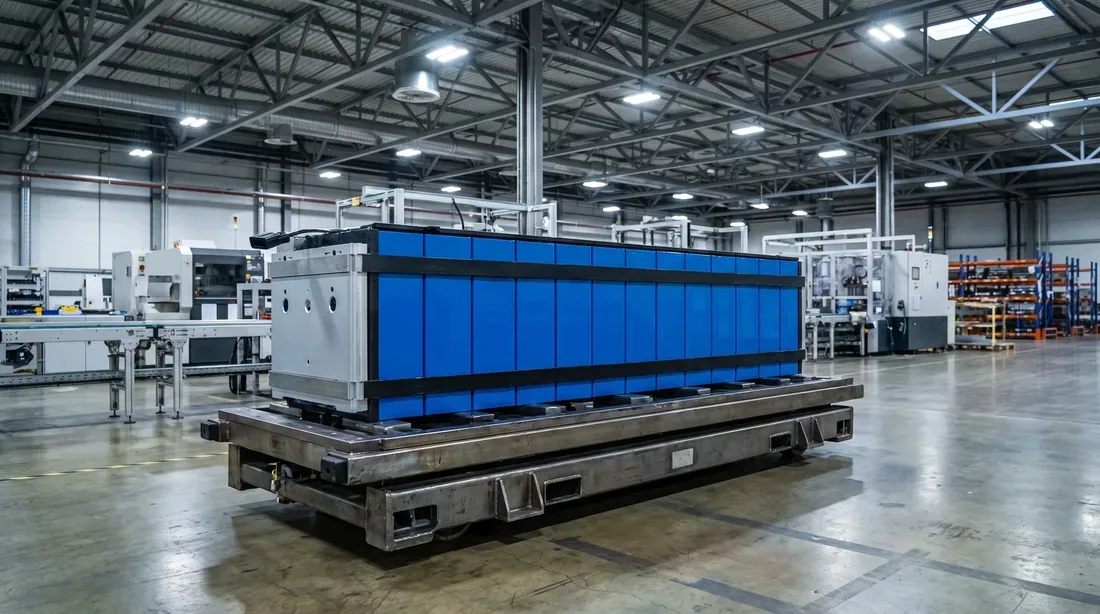
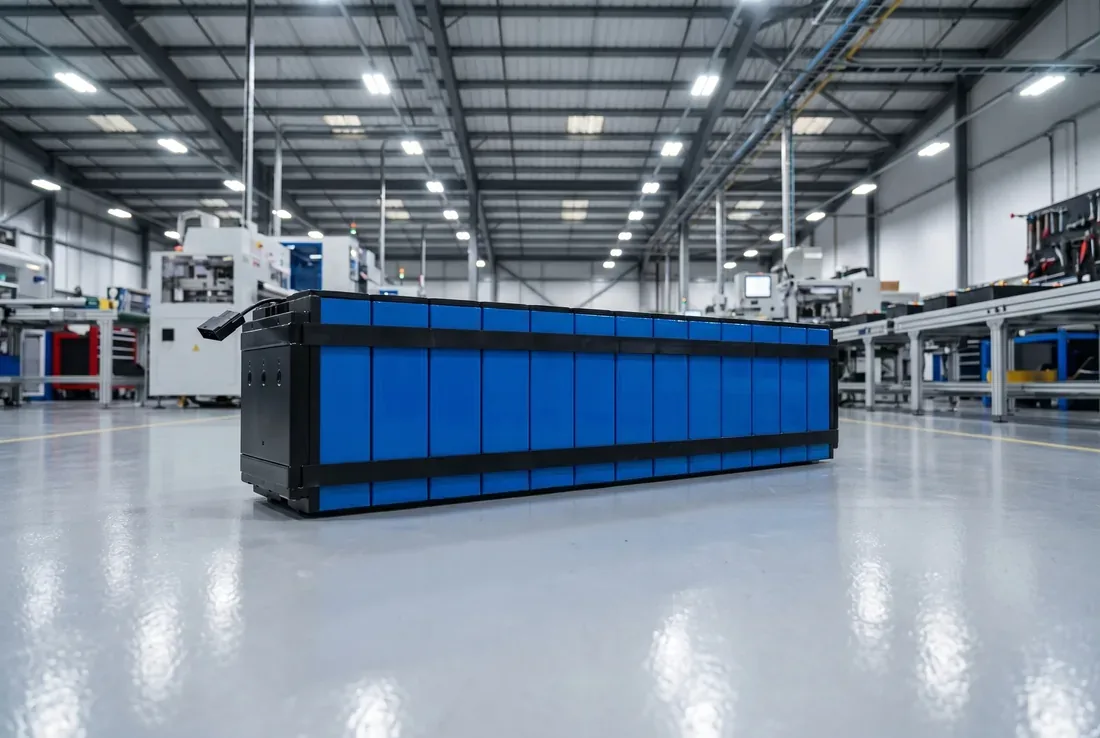
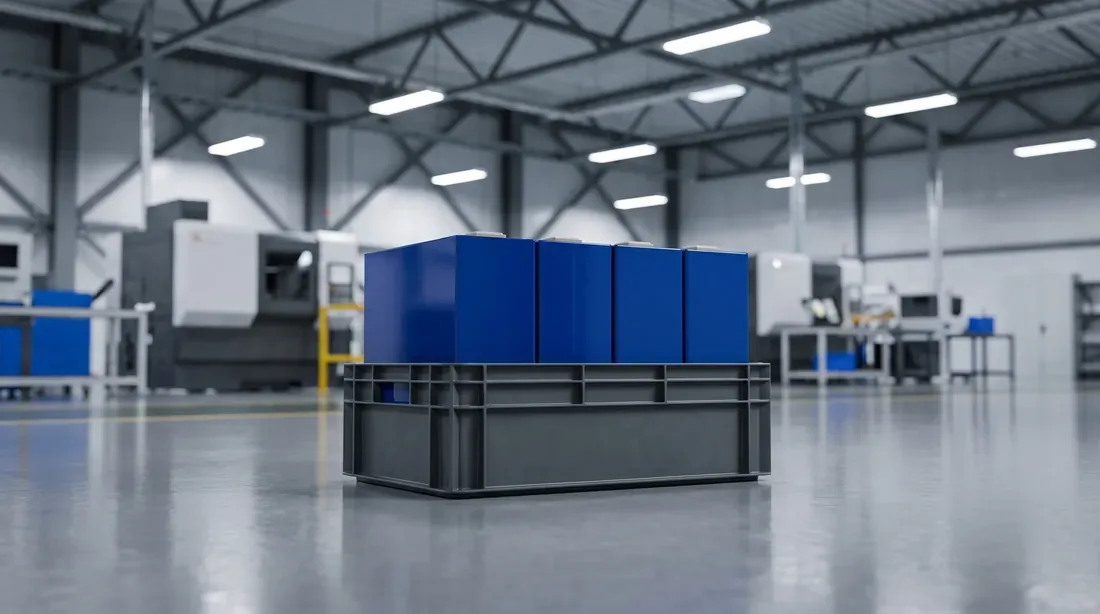
Assembled battery module with its busbars in place
Rendering — what comes out of the first segment

Four words that make two quotations look identical, and what each means here

These four carry most of the apparent agreement between specifications. None of them has a single industry meaning.

Turnkey

What it can cover

Anything from crated machines on a truck to a running line.

What it covers here

Layout design, equipment, installation, commissioning, acceptance, and operator and maintenance training. The four-step version is on the equipment page.

Automatic

What it can cover

Applied to a whole line, to a segment, or to one station — usually without saying which.

What it covers here

Applied per station, labelled one of three ways.
Auto Semi-auto Manual

The pack segment is mostly manual positions, and it is labelled that way

PPM

What it can cover

A rate with no stated unit, which cannot be compared with another rate.

What it covers here

A rate against a stated blueprint cell and module. The blueprint itself is published on the storage pack line page.

Annual capacity

What it can cover

A GWh figure with no assumptions attached to it.

What it covers here

Derived from takt at the blueprint cell, 300 days a year, eight hours a day — stated with the figure, on the capacity planning page.

Two specifications can use all four words, agree on all four, and describe different projects. Before comparing prices it is worth making each supplier say which of these meanings they are using — the answers separate quotations faster than the prices do.
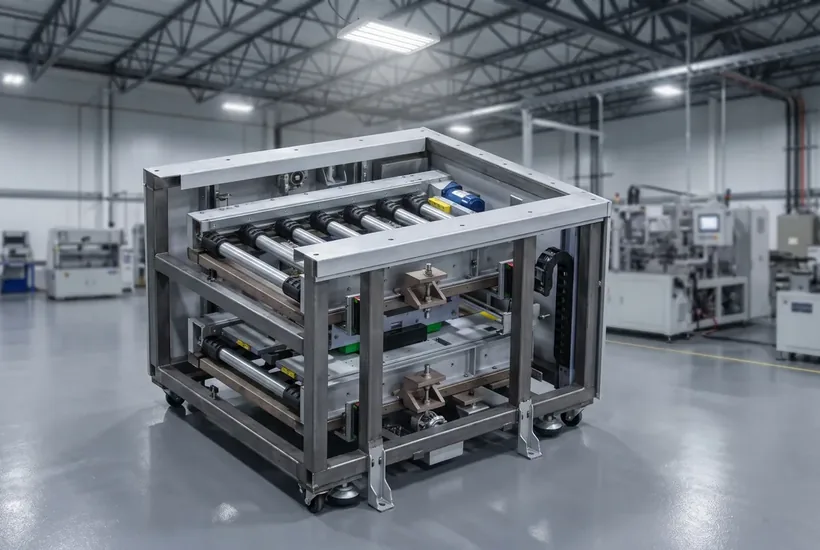
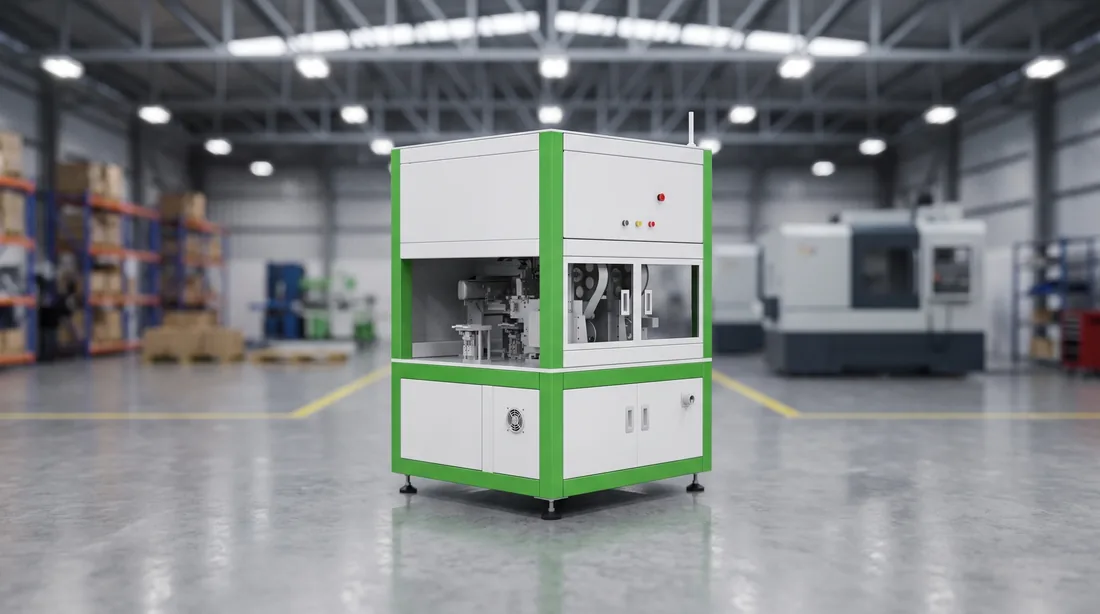
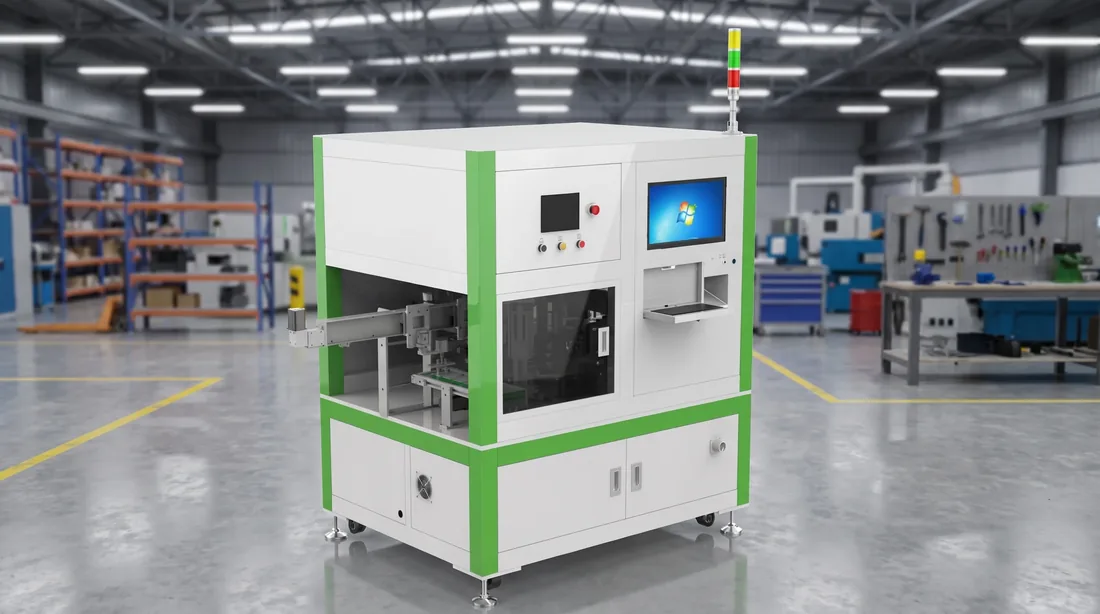
Enclosed automatic welding station behind fixed guarding
Rendering — an AUTO position
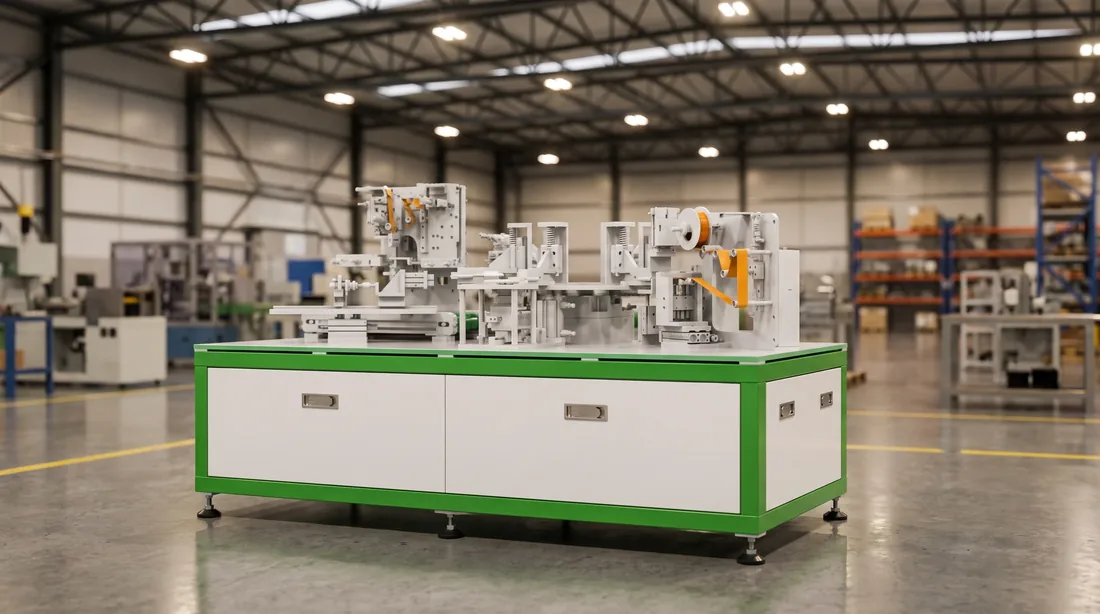
Manual assembly position on the pack segment of the line
Rendering — a MANUAL position

Five kinds of pack, and the point where our published figures stop

The order below is the order the line was configured around. It is worth knowing which end of it you are at before spending a fortnight on quotations.

  • Commercial & industrial
  • Utility-scale
  • Residential
  • EV modules & packs
  • Cylindrical & consumer
  1. 01Commercial and industrial storage packs Written up on this site
  2. 02Utility-scale storage packs Written up on this site
  3. 03Residential storage packs Written up on this site
  4. 04EV battery modules and packs Written up on this site
  5. 05Cylindrical and consumer-cell packs Named, no published figures

The first four run the same two segments

Cell sorting, module assembly, pack assembly and testing — the same station sequence, with the tooling cut to your parts. Everything else on this site is written against them.

The fifth is where the published figures stop

The supporting machines for cylindrical and consumer packs are named on the equipment page and carry no parameters, because the source material does not state any. They are listed rather than described.

If your pack is in the fifth group, the useful first message says so. A named machine with no published figure is not a machine you can compare, and it is cheaper to find that out in a first reply than after two weeks of drawings.
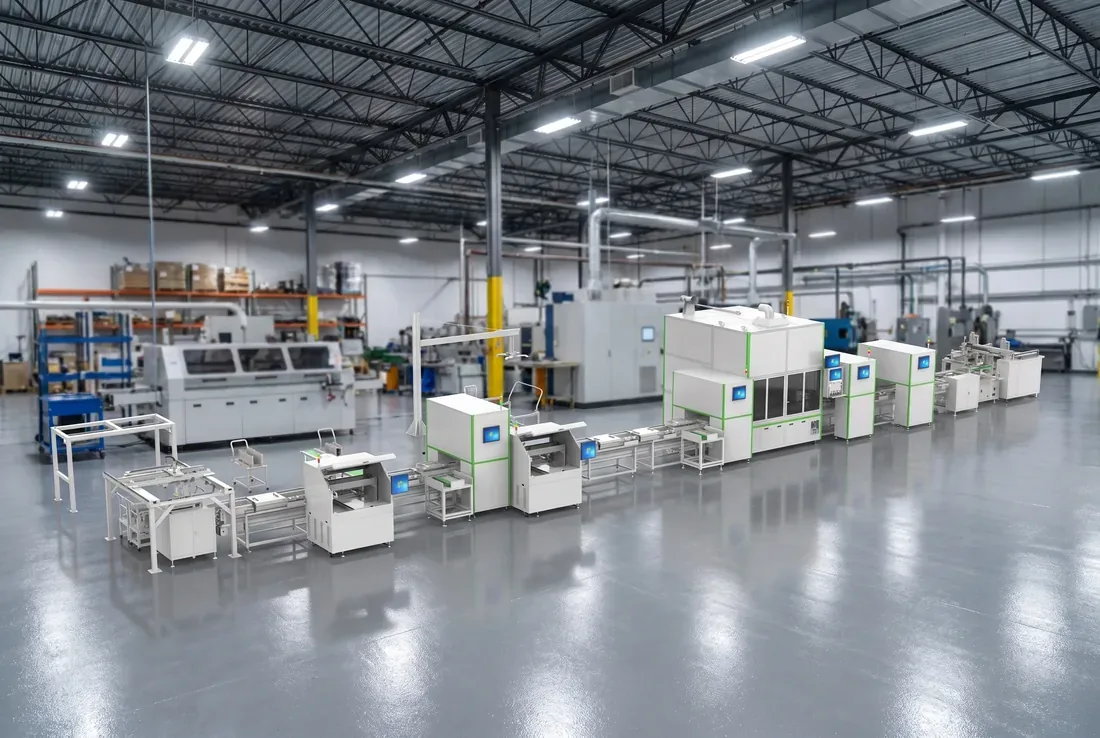
Storage pack assembly line configured for commercial and industrial packs
Rendering — 01 / 02
Battery module built for an electric vehicle pack
Rendering — 04
Cylindrical cells of the kind handled by the supporting machines
Rendering — 05, named only

The line is built to your cell, and the range it will not take is printed

Being buildable to your cell is what every supplier says. The checkable version of that sentence is a published range with an edge on it.
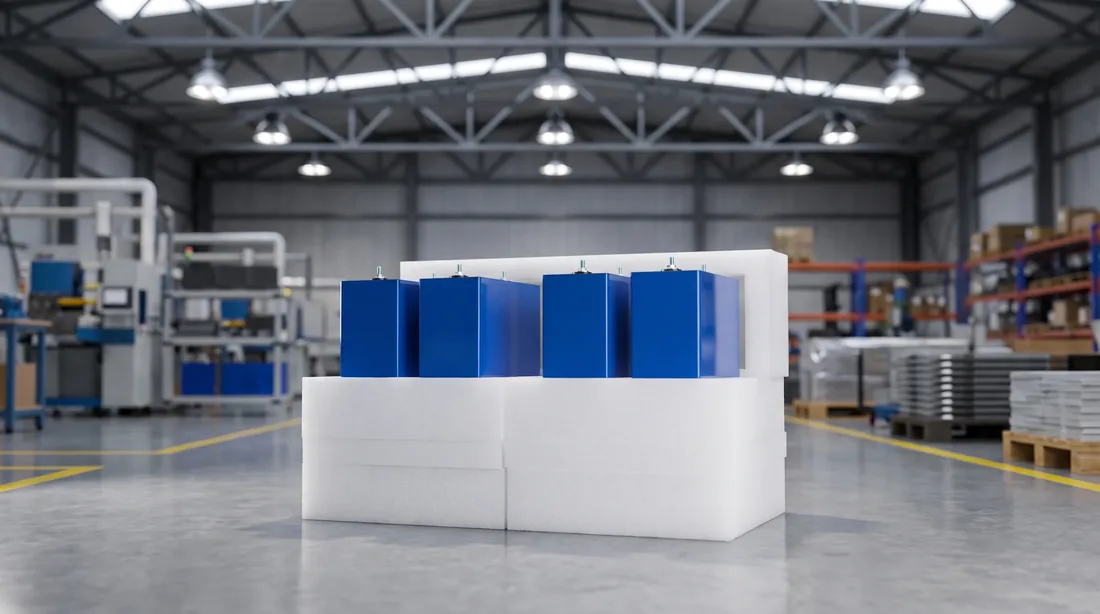
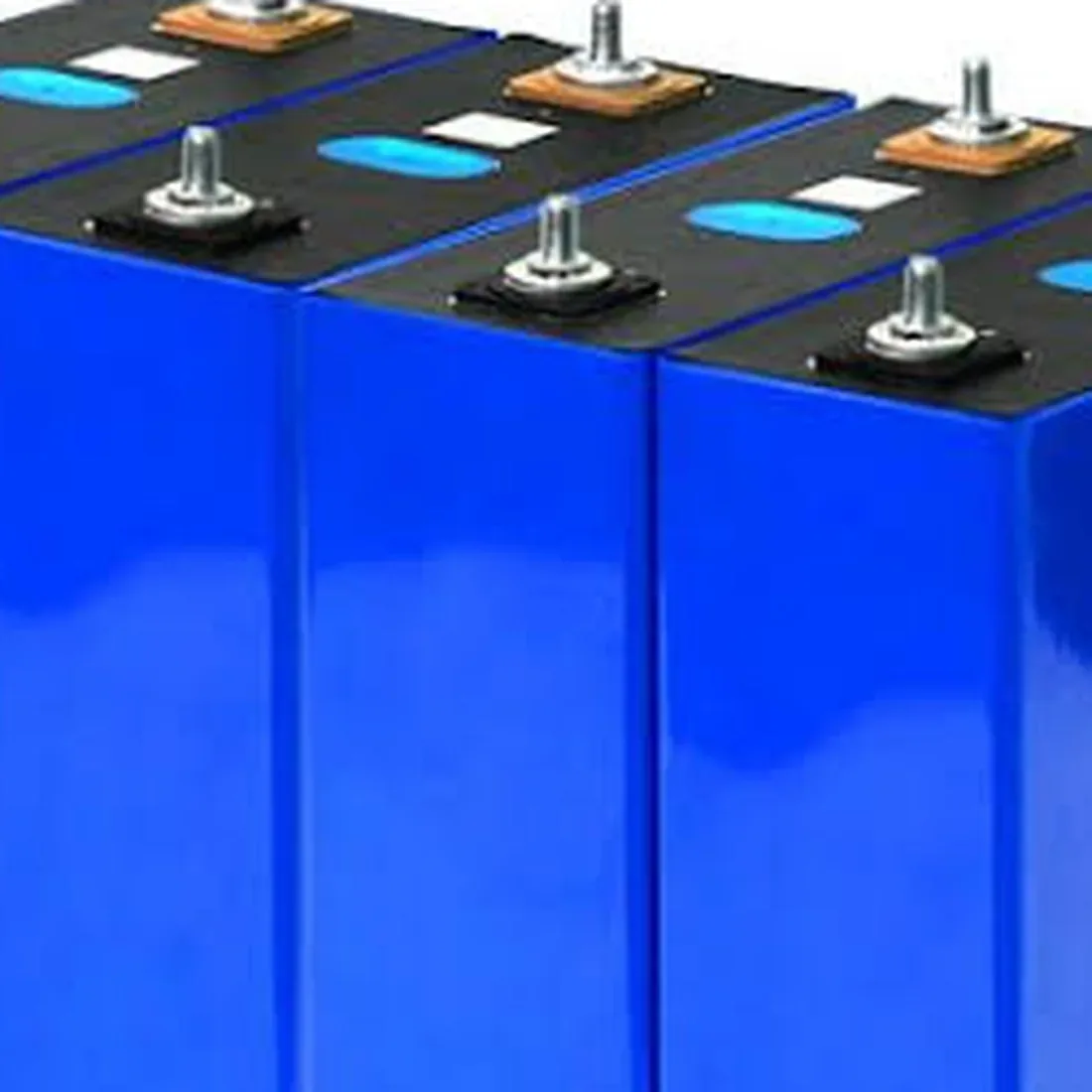
Prismatic cell of the format the envelope is stated in
Rendering — the cell
Stacked and banded module at the mass ceiling the envelope states
Rendering — the module
Closed pack of the kind the pack envelope is written for
Rendering — the pack

The check happens before the price

Your cell drawing is compared against a published envelope first. Not after the layout, and not during commissioning — before there is a number to argue about.

The envelope is three ranges and two ceilings

For the economy and high-automation builds: cell width 100–220, height 100–220, thickness 20–80 mm; module ≤100 kg; pack ≤400 kg. The standard build is quoted against its own set.

Inside the range is a starting answer

What being inside it does and does not guarantee is set out on the storage pack line page, which owns the full table — including the cell in it marked not in the source data rather than filled in.

The five figures above are the ones worth copying into your next email. A supplier who cannot produce the equivalent has not declined to answer — they have not been asked the question yet.

Take this one to the other quotations

“Ask each supplier for the cell dimensions their line will refuse.”

A yes given outside the envelope is paid for after the bay is committed

Three of the four differences change how well a project goes. This one changes whether it can happen at all.

  1. Why this one

    It is the only one that decides whether you can buy at all

    A cell the station sequence cannot present, stack, press or address is not a tooling detail. It is a different line, and no amount of goodwill later turns it back into this one.
  2. Without a published edge

    Every supplier can say yes, because nothing says where the yes stops

    Nobody is lying. The question was never asked in a form that could be answered wrongly. The specification stays agreeable right up to the point where it has to meet a physical part.
  3. Who pays, and when

    It lands as tooling on stations that are already paid for

    Not at quotation, where it would have been a conversation. It arrives on a floor that is already committed and a schedule that is already being reported upward. The cost is not in the equipment. It is in the weeks, and they come out of a project that is already running.
  4. What we do about it

    The ranges are published, attached to the build they belong to

    Your drawing is checked against them before a price exists. If it is outside, the first reply says outside, and says what would have to change. The 587 Ah large-format cell is exactly that case: under consideration for future compatibility, not something this line does today, and it is written that way where it appears.
  5. What proves it

    One cell of that table is labelled instead of filled

    A specification that answers every dimension question has either engineered your plant already, or has stopped distinguishing between what it knows and what it is willing to say. See the table
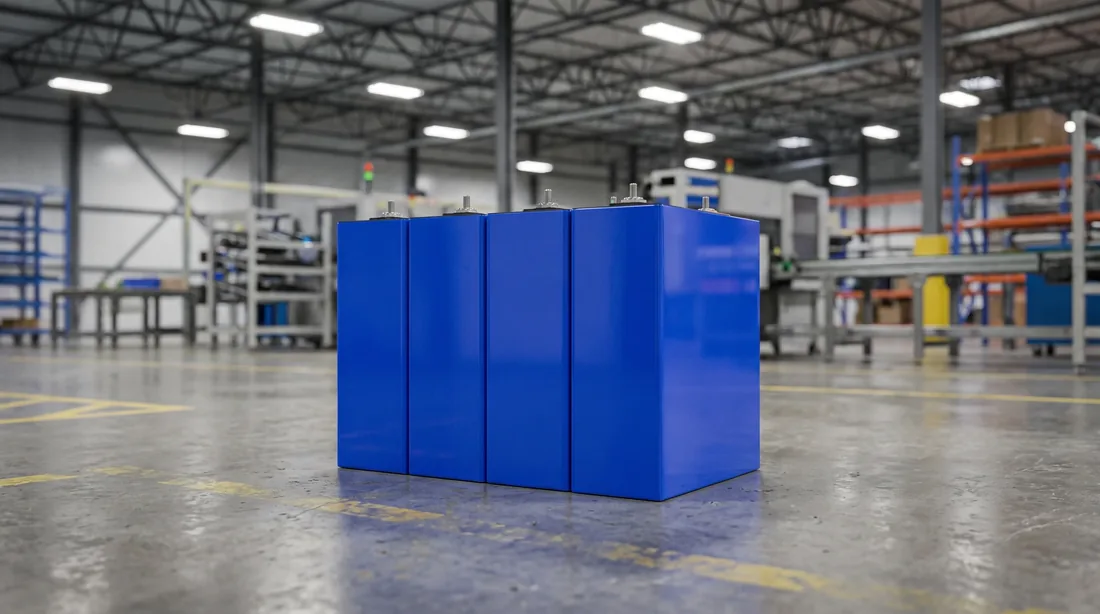
Robot unloading cells from trays at the head of the line
Rendering — presentation
Stacking and pressing station with its fixtures in place
Rendering — stacking and pressing
Vision addressing head above module terminals
Rendering — addressing

A supplier who has never printed a limit has never had to defend one. The limits are the part of a specification that costs something to publish — which is why so few of them are there.

Published

Ranges, thresholds, forces, accuracies, operator counts. Same figure for every reader, and the same figure next year.

On request

The same numbers, produced one enquiry at a time, where nobody outside the thread ever sees which version arrived.

A figure on a public page is a figure we cannot revise for you

Not that the figures exist — most suppliers have them. That they are printed where every buyer reads the same one.

The figure you read is the figure the next buyer reads

A number that only exists in a reply can be a different number in the next reply, and nobody outside the thread will ever know. A number on a page has to survive being read by people whose projects contradict each other.

Two examples, and they are not the interesting part

Busbar weld pull-off strength ≥1000 N; module insulation resistance ≥500 MΩ at DC 1000 V. The interesting part is that neither of them required an email — and that the rest sit on the pages that own them rather than being collected here for effect.

Published figures are what make a comparison possible

Including a comparison that goes against us. A specification with no figures cannot be compared with anything, this one included.

The next section is the whole list — every figure this site publishes, and the page it lives on. It deliberately carries no values, because a figure repeated away from the position it judges is a figure that will eventually disagree with itself.

Take this one to the other quotations

“Ask which of their figures you can read without emailing them.”
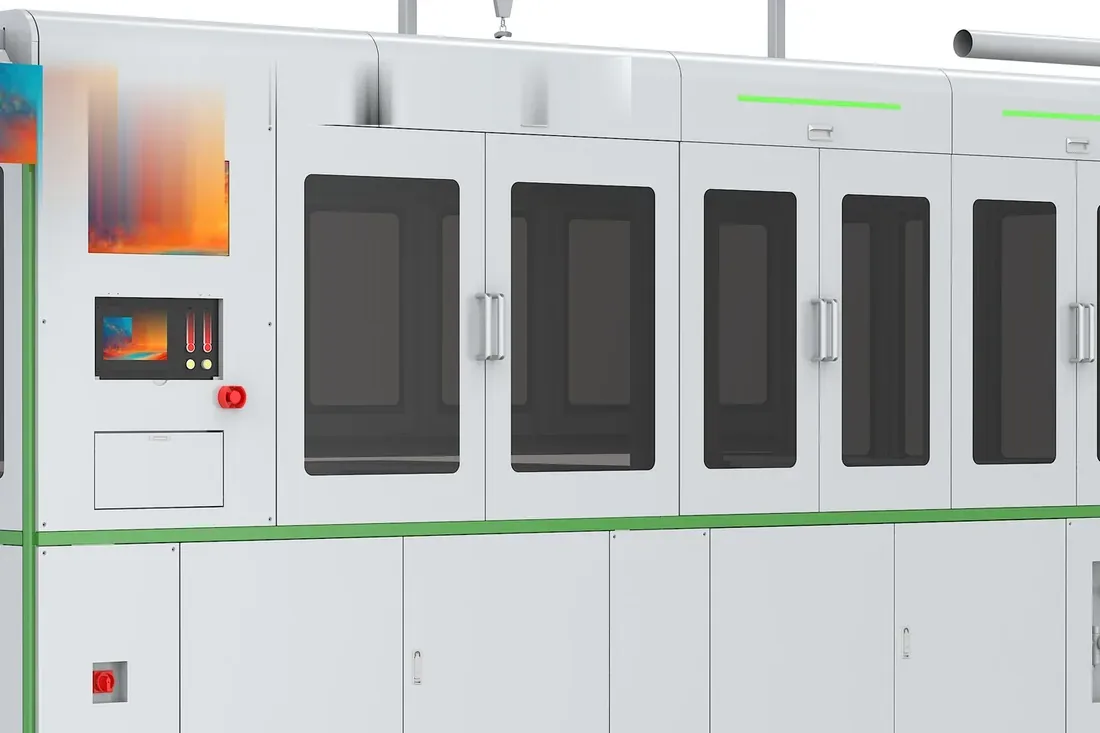
Busbar laser welding station, the position the pull-off figure judges
Rendering — pull-off strength
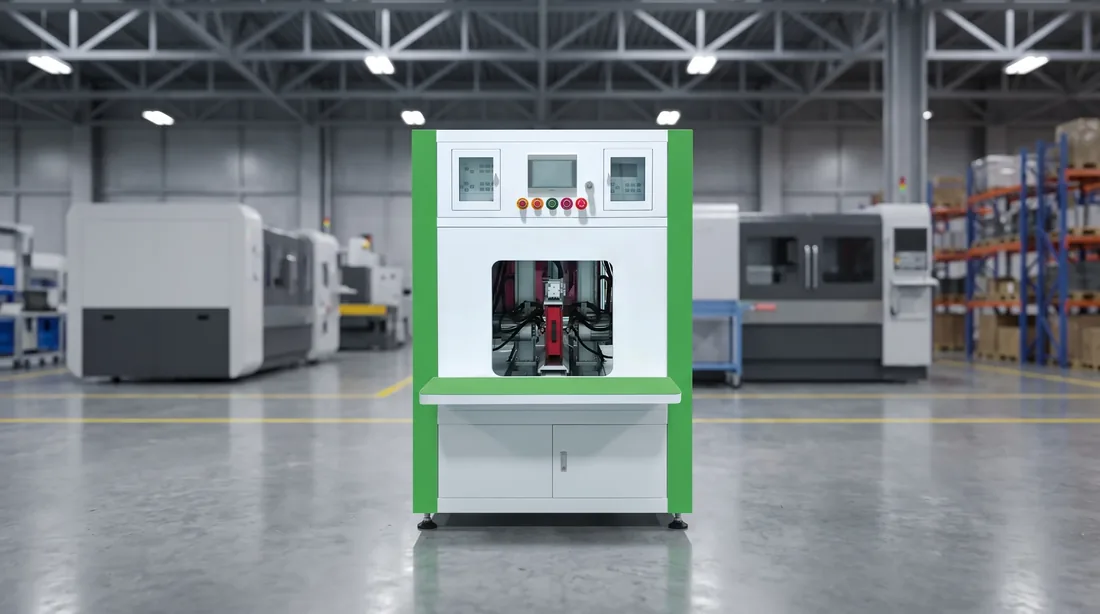
End-of-line test cabinet where insulation resistance is measured
Rendering — insulation resistance

Every figure this site publishes, and the page it is stated on

Take any row, open the page, read the number off it. That is the whole use of this section.

Each figure is stated once

On the page that owns the position it judges. Repeating it elsewhere is how two versions of the same number end up on one site.

This table carries no values

Names and locations only. If a figure appeared here as well, this page would become one more place for it to drift.

It is a checklist, not an argument

Nothing in the right-hand column is a claim. It is where to go and read.

Battery manufacturing equipment

Weld penetration and weld width · busbar weld pull-off strength · laser power, fibre core and repeat positioning · pressing force range and stack length · addressing speed and positioning accuracy · scan success rate, voltage and internal-resistance accuracy · glue metering accuracy and trajectory tolerance · conveyor load and transfer speed

Battery pack EOL testing

Insulation, withstand-voltage and continuity thresholds · the stations whose criteria are deferred, with the reason each is deferred · line acceptance yield, with the exclusions that define it

Pack line capacity planning

Takt, footprint and installed power per configuration · annual output with its stated assumptions · operators per segment, where the source data agrees with itself · the cells where it does not, labelled by which kind of absence each one is

Energy storage battery pack line

Blueprint cell, blueprint module and blueprint pack · the cell, module and pack compatibility envelopes · the mass ceilings · the large-format cell marked as a roadmap item rather than a capability

Module segment  ·  Pack segment

Station lists for both segments, named in order · the automation label carried by each station · which stations your cell dimensions reach · which stations your pack drawing reaches

Send the cell drawing and the bay, and get the checks run against them

Your cell against the published envelope, your bay against the published footprints. Two attachments, and the first reply tells you whether there is a project here at all.

Reply within 24 hours / If your cell is outside the range, the first reply says so

Automation buys one operator in the module segment, and that is what gets published

Headcount is the figure that repeats every year the line runs, which is why it is worth being exact about how small the difference is.

4 → 3Module welding — economy build versus high-automation build
12–14Pack assembly — unchanged across both builds we can publish
Not publishedStandard build — all three segments, and the reason is stated

The pack segment does not shrink

Whatever automation buys, it does not buy that. The station-by-station levels behind it are on the pack segment page, labelled position by position.

One build’s headcount is nowhere on this site

Two internal documents give different figures for the standard build, so none of them is published rather than the flattering one. The tier page states which cells those are.

So headcount is not the reason to move up a build

Rate is. A supplier selling an automation upgrade on labour savings should be able to name the positions that disappear.

Take this one to the other quotations

“Ask which positions disappear when automation goes up, and by how many people.”
Manual assembly position where an operator works on a pack
Rendering — a manual position
Semi-automatic position combining machine motion with operator loading
Rendering — a semi-automatic position
Automatic welding position behind guarding, the one position automation returns
Rendering — the position that is returned

Four kinds of number on this site, and only one class is fixed for you

Knowing which class a figure belongs to is what stops you planning against one that was never going to hold still.

  • Fixed
  • Set by your building
  • Set by your parts
  • Not published

Fixed, whoever you are

Machine parameters and the compatibility ranges. They describe the equipment, not your project, and they do not move to fit a quotation.

Set by your building

The layout. Reference footprints are published per configuration; the line is then drawn into the bay you actually have.

Set by your parts

The tooling, and the criteria for stations whose thresholds only exist once there is a box and a seal to measure. Those are named on the EOL page with the reason each is deferred.

Not published

Lead time, warranty, and one build’s headcount. Deferred rather than optional — section 17 says what would put each of them here.

The distinction matters more than it sounds. A figure in the wrong class is worse than a missing one, because it gets planned against and then moves.

The figure the line is judged on is in the quotation, not agreed at commissioning

An acceptance criterion introduced after the equipment ships is a negotiation. One written at quotation is a specification.

01

The figure

Line acceptance yield ≥99%, counting equipment-caused defects only, excluding human factors. The exclusion is part of the figure, not a footnote to it.
02

The definitions

Utilisation and first-pass yield are defined once, on the home page, in the terms the acceptance document uses.
03

The criteria underneath

Station-level thresholds, published where they exist and deferred with a stated reason where they do not — on the EOL testing page.
04

Where it ends up

In the acceptance document, with what each side brings to the acceptance run. The full sequence belongs on the acceptance page.

A yield figure without its exclusions is not a figure

≥99% counting everything and ≥99% counting equipment-caused defects only are different commitments. Both get written as ≥99%.

This is the difference that survives into the contract

The other three change what you buy. This one changes what you can hold somebody to afterwards.

Take this one to the other quotations

“Ask for the acceptance figure and what it excludes, in the quotation rather than at commissioning.”
Acceptance test position at the end of the line
Rendering — where the figure is measured
Tested pack leaving the final position of the line
Rendering — what the figure counts

There are no photographs on this site, and the captions say so

Every image here is a rendering of the equipment, labelled as one. No workshop shots, no site images, no people.
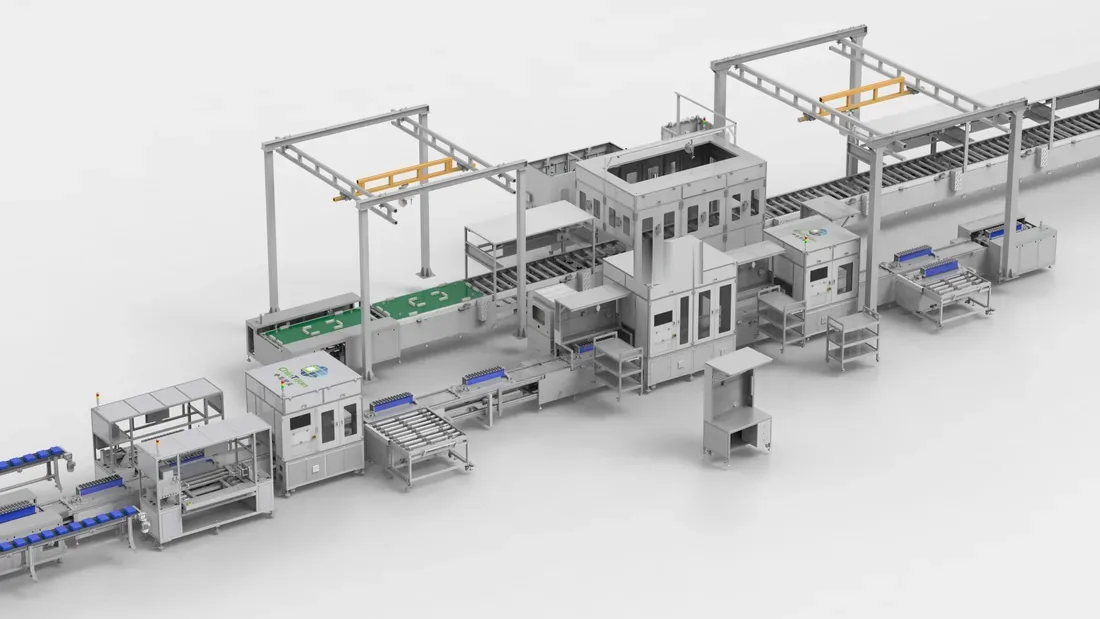
Rendering of the economy build of the assembly line
Rendering — economy build
Rendering of the module segment of the assembly line
Rendering — module segment
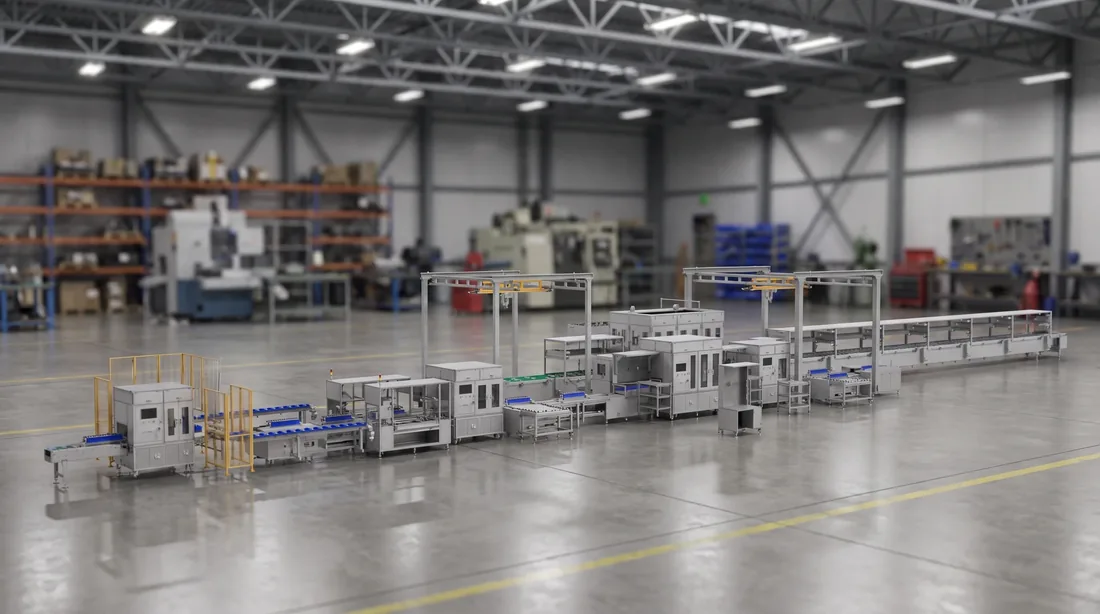
Rendering of the line laid out across a plant floor
Rendering — layout

A photograph would not have told you about your line

An image of a workshop proves a workshop existed on the day it was taken. It says nothing about the stations your pack will pass through, the fixtures cut for your cell, or the figure the line is accepted against.

What is carrying the weight instead

The ranges in section 05, the ledger in section 09, and the acceptance figure in section 13 — each attached to a position, a page and a document that can be signed.

If images are what you need, the question worth asking every supplier is which of theirs are photographs of a delivered line and which are renderings. The answer separates more quotations than the images do. The next three sections are the rest of what is deliberately not here, and each one is missing for a different reason.

What this site publishes, and what it leaves out because it would not be checkable

The right-hand column is the list an about page is normally built from. Every item on it is a claim you would have to take on trust.

On this site — attached to a position, a page or a document

  • Machine parameters, each on the page that owns the position it judges
  • Station lists with their automation labels, position by position
  • Cell, module and pack compatibility ranges, with the build each set belongs to
  • Takt, footprint and installed power per configuration, and headcount where the source data agrees with itself
  • Line acceptance yield, with the exclusions that define it
  • Certifications by name: ISO 9001, CE, RoHS

Not on this site — and what you would have had to do with it

  • Employee count — take our word for it
  • Floor area — take our word for it
  • Lines delivered — take our word for it
  • Countries served — take our word for it
  • Customer count — take our word for it
  • Patent count — take our word for it

None of those six is unknown to us. They are left out because there is no move available to you after reading them — and a page full of figures that cannot be acted on trains a buyer to skip the ones that can.
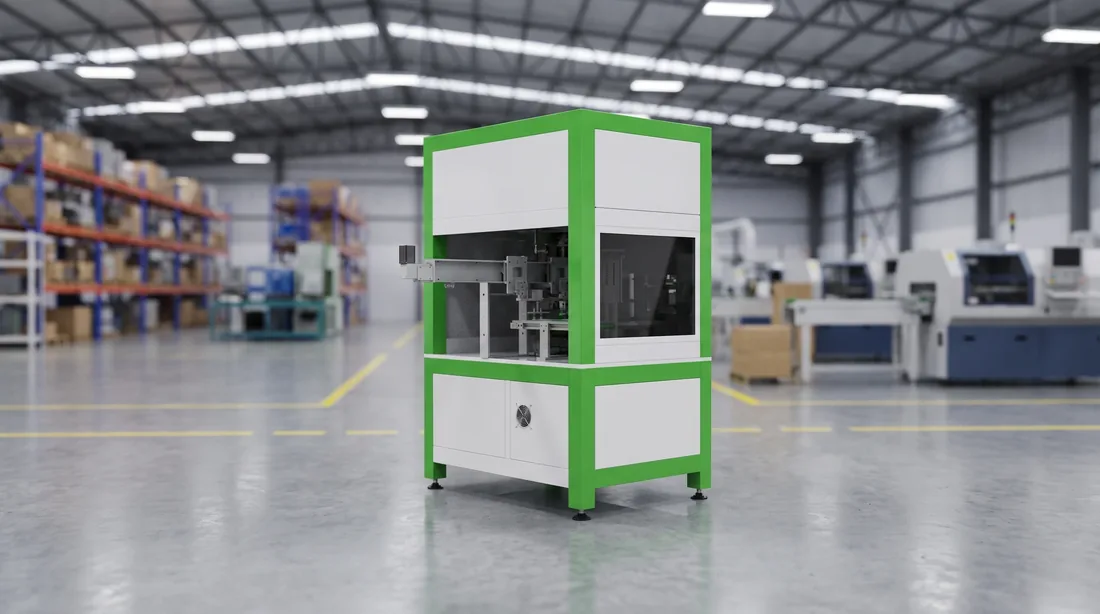
Position where the module segment hands over to the pack segment
Rendering — a position, which is what a figure attaches to

No customer names, no case studies, no signed testimonials, no ratings

A different reason from the section above: this one is not about what you could check, but about there being nobody to name.

A named line belongs to whoever built it

A buyer’s cell format, pack design and output are the parts of their business they protect hardest. Publishing them as our reference spends their confidentiality to buy our credibility.

An unnamed reference is not evidence

A region, an industry and a result with no name attached cannot be checked by you, contested by them, or withdrawn if it turns out to be wrong. It reads as evidence and behaves as decoration.

What stands in their place

Capability, method and criteria: the station sequences, the ranges, the thresholds, and the figure the line is accepted against. Those describe your line rather than somebody else’s.

The substitution is worth making explicit, because it changes what to compare. Compare the criteria a supplier will be judged by, not the customers they say they have had — the first is about your project, the second is about theirs.

Three things this site does not state yet, and what would put each one here

The fourth reason, and the only one with an end date: these are not unknowable and not unnameable — they are undecided.

Lead time

Not set

Warranty term

Not set

Certificate numbers

Held, not printed

What would resolve each

Lead time is published when the factory commits to one, not estimated from a comparable project. The warranty term is published when the term for line equipment is fixed — a warranty written for a standalone machine does not transfer to a production line, so one is not reused. ISO 9001, CE and RoHS are named on the equipment page and certificates are provided on request; the numbers go on a page once they are in hand.

A quoted lead time is a commitment or it is nothing

One taken from a similar project is a number that gets planned against and then moves — and it moves in the direction of your ramp.

What you can do in the meantime

Ask for all three in writing in the first exchange. Everything else on this page is designed to be checkable now; these three are the ones to make a supplier put a date on.
Assembly line in a plant that has not been commissioned yet
Rendering — deferred, not optional

What a first reply contains, and the one thing it will not contain

What to send is on the contact page. This is only about what comes back.

Within 24 hours

A reply, not necessarily an answer. If the drawing is not attached, the reply is the two or three questions that have to be settled before anything else is worth writing.

The checks, run against what you sent

Your cell against the published ranges, your bay against the published footprints. Both are pass-or-fail before they are anything else, and both come back stated rather than implied.

Not a price for a plant nobody has seen

A number produced before the cell and the bay are known is a number about a different project. A price that arrives ahead of the questions has skipped the part that made it a price.

Where two configurations both fit, the reply says both fit. There is no technical reason manufactured for the larger one — the tier page publishes the figures either way, including the ones that do not favour the upgrade.

Four questions that separate four quotations, this one included

This is the part to take away: four lines that can be pasted into an email and sent to every supplier on the list.

What cell dimensions will your line refuse?

A range with an edge on it can be checked against a drawing. A yes cannot.

Which of your figures can I read without emailing you?

A figure that only exists in a reply is a figure that can be different in the next reply.

How many operators staff each segment, per configuration?

A single number for “the line” hides which segment it lives in, and the segments do not behave the same way.

What figure goes into the acceptance document, and what does it exclude?

The exclusions are the figure. Two suppliers can both write ≥99% and mean different commitments.

Where a quotation has no answer to one of these, that absence is itself the comparison — and it is a great deal cheaper to collect four non-answers this week than one at commissioning.
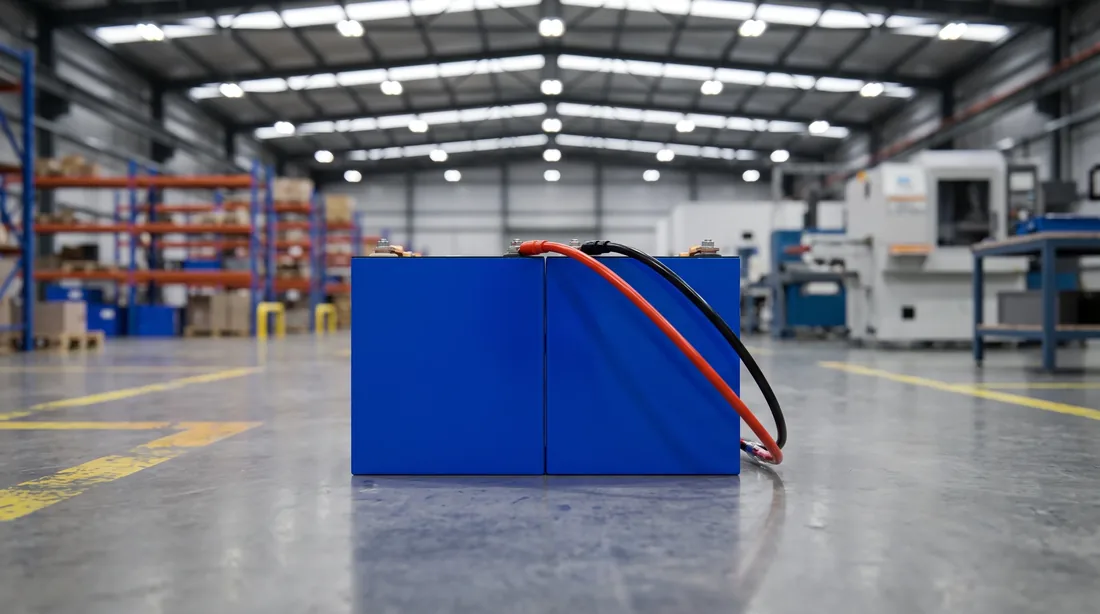
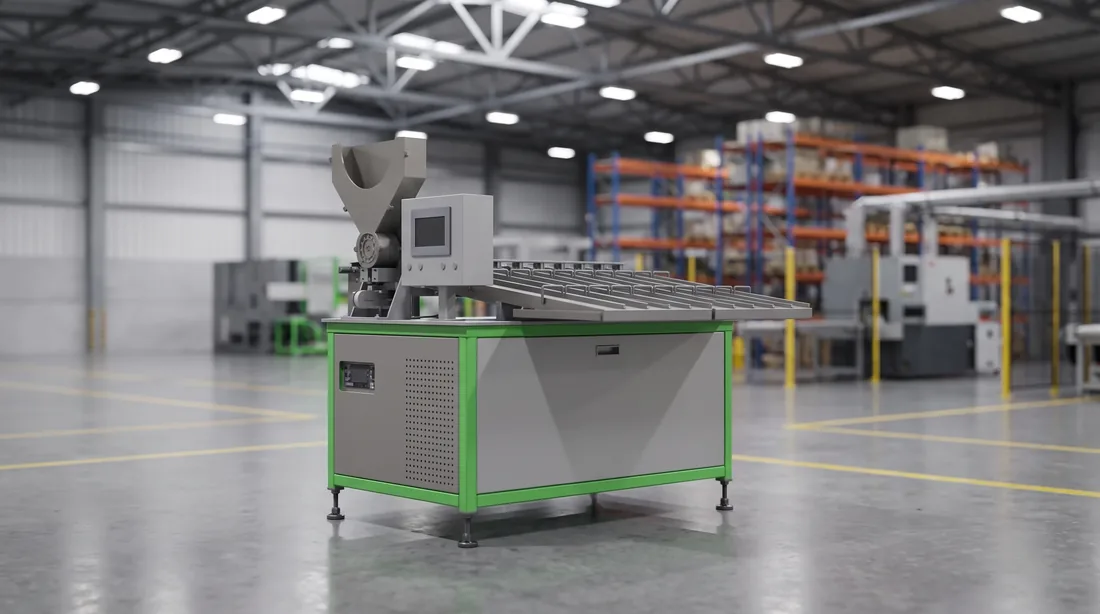
Cells presented to the head of the line, the subject of the first question
Rendering — question 01
Module leaving the welding section, the subject of the second question
Rendering — question 02

Ask the other quotations the same four questions

The four differences above are the ones that survive into a contract.

Then see which of them answers in numbers
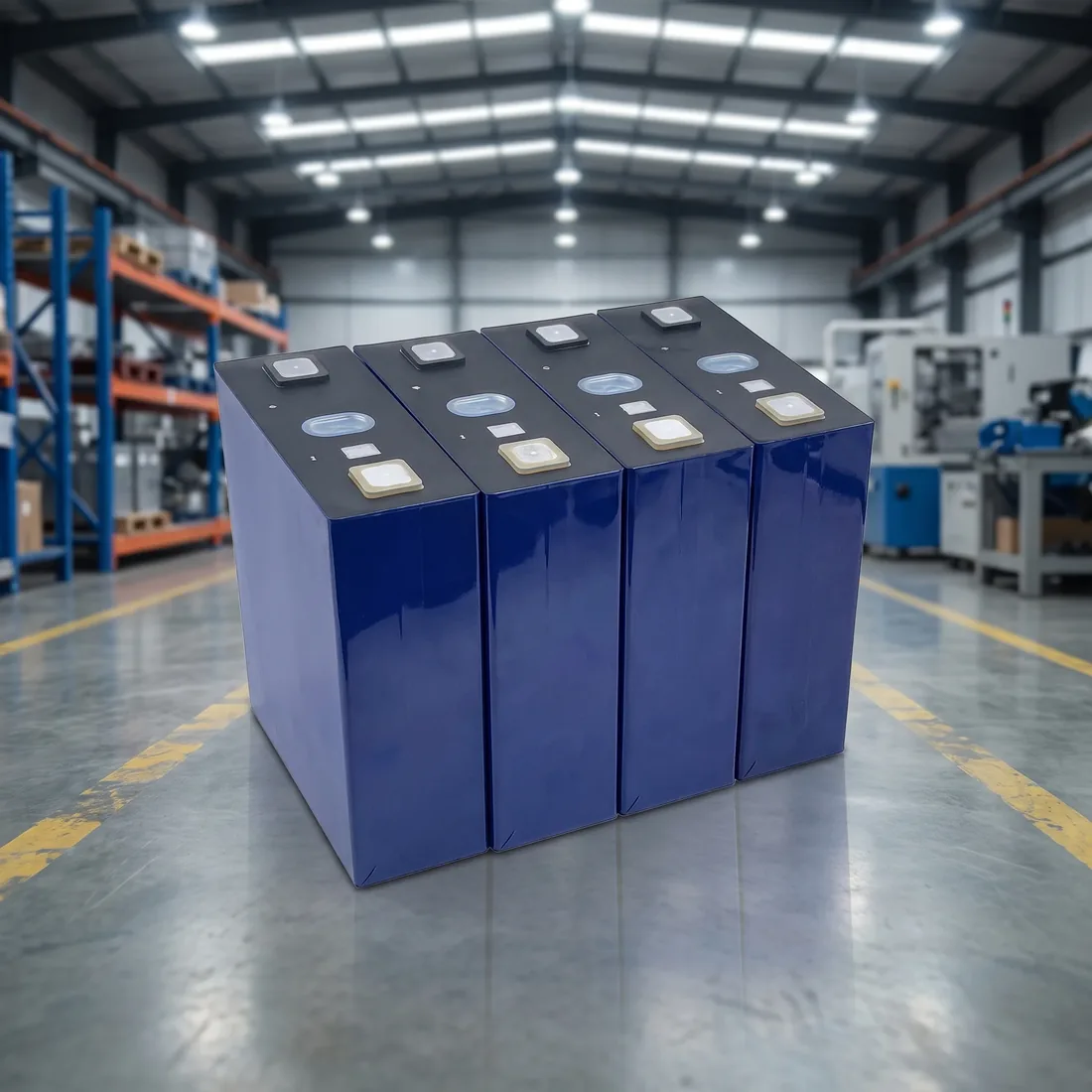
That is the whole comparison. The four questions are in section 19, ready to paste into an email.
Cell terminal detail, the first thing a drawing is checked against
Rendering — where the first check starts
Phone / WhatsApp
Address
Wuhan, Hubei, China
Response
Reply within 24 hours