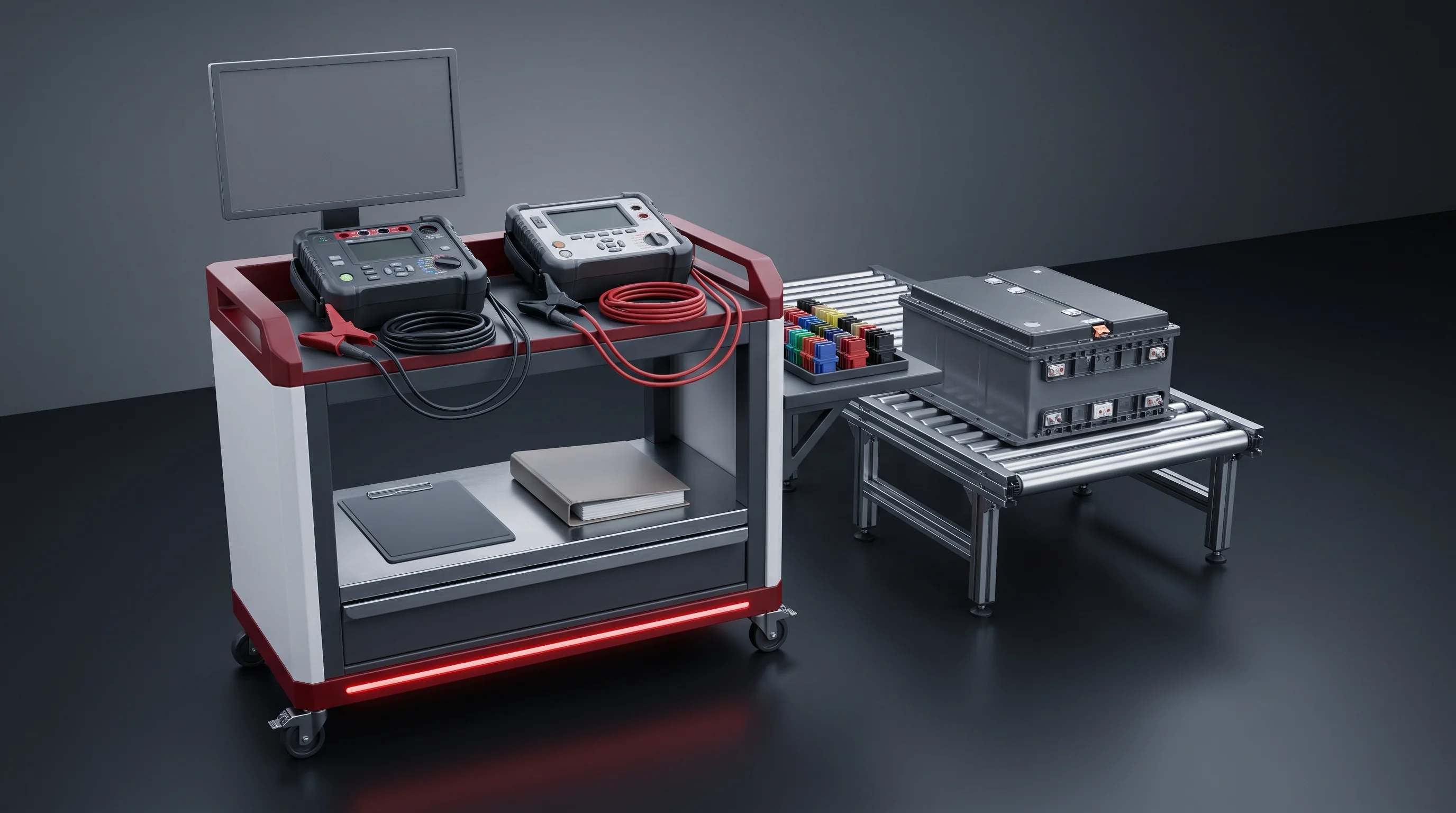
FAT and SAT acceptance
Pack Line Acceptance In Two Measured Runs
One criteria list, written station by station and signed before the line ships, then run twice: 4 hours continuous in our pre-assembly bay on cells and parts you send us, and 8 hours at your target takt on your own floor. Both runs end in a countersigned report, and both are followed by training split by role.
Four Hours On Your Own Parts
The line stands in one of three pre-assembly bays in its shipping configuration, powered up, running on your cells, busbars, end plates, enclosures and cooling plates.
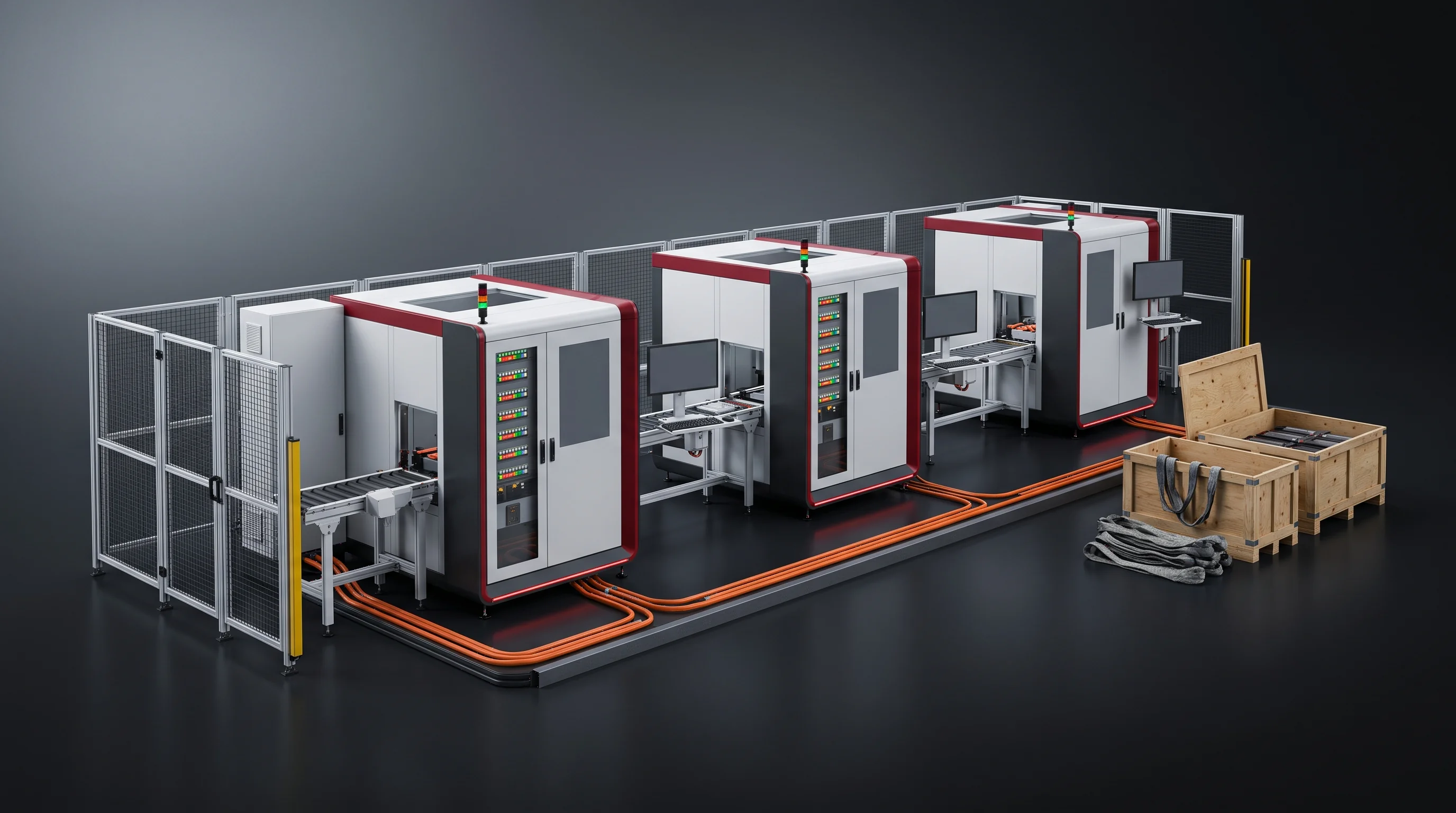
- 4 hContinuous run
- 20Modules sampled
- 5Packs sampled
Eight Hours At Your Target Takt
After installation and commissioning the same list is worked through again — at your rate, on your supply, on cells out of your own goods-in.
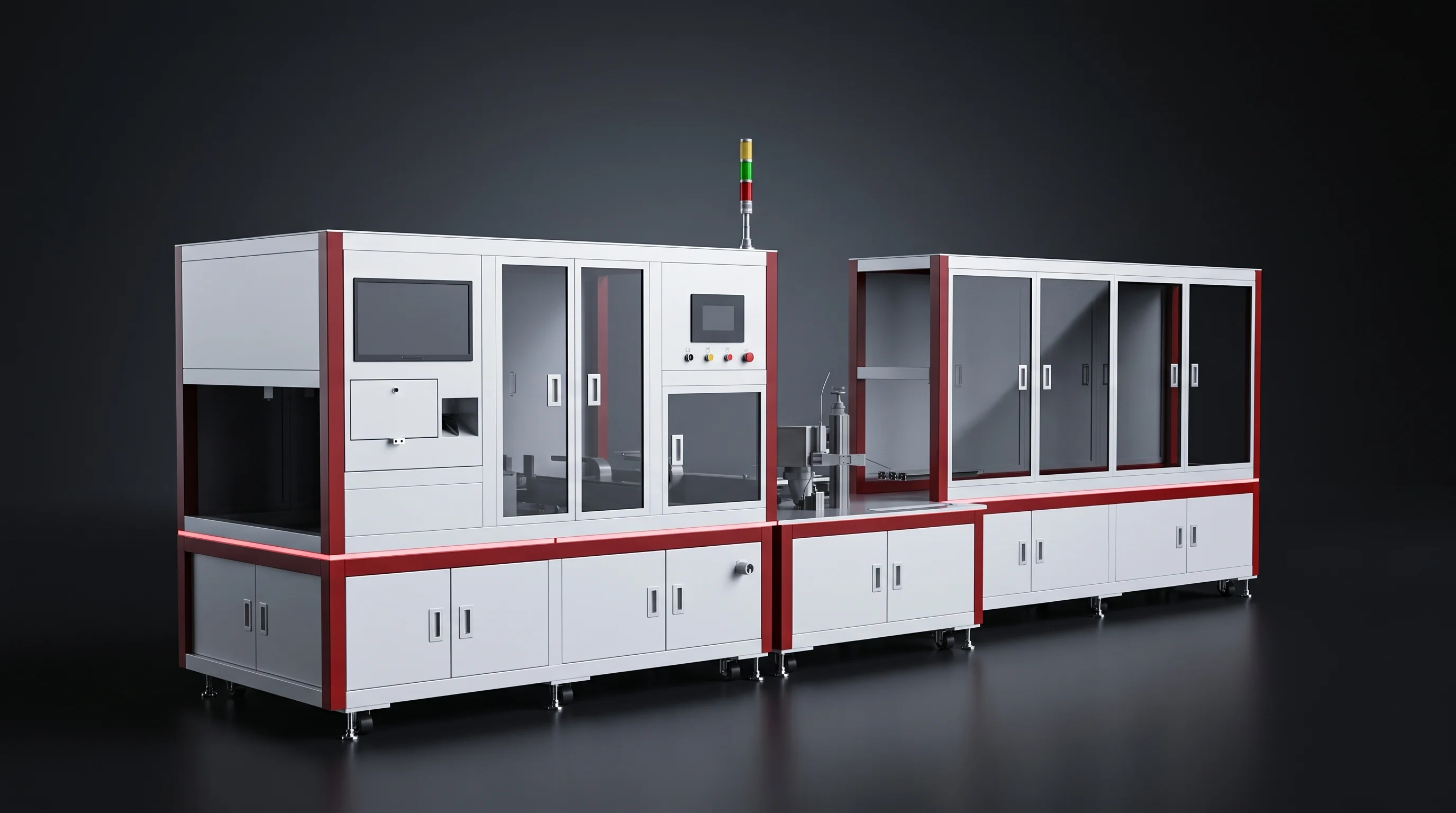
- 8 hAt target takt
- 99%Equipment yield
- 1000 NWeld pull
The segment this page covers
The Line Acceptance Segment
From the criteria being signed to the line being handed to your shift. Five things happen inside it.

- 1
Criteria written and signed
Station by station, before shipment.
- 2
Factory acceptance run
In our hall, on parts you send ahead.
- 3
Installation and commissioning
Field engineers set it up and bring it to rate.
- 4
Site acceptance run
At your rate, on your building's supply.
- 5
Training and handover
Five days, three roles.
The criteria list
Every station criterion, its measuring method and its material source.
Signed before shipmentThe FAT report
Each measured value beside the criterion it was judged against.
Signed in our bayThe SAT report
The same list, measured again on your own cells at your own rate.
Signed on your floorTwo people sign, three documents come out
The project manager puts dates against those five stages; the quality lead signs what the line is judged on. Both countersign all three.
Configuration is settled earlier: tier and takt on the capacity planning page, station designs on the pack assembly line page.
Three Durations You Can Schedule Before The Order
- 2–3 dFAT run and report
- 3–5 dSAT run and report
- 5 dTraining and handover
- 10 dRetest window, if needed
- 24 hReply to your enquiry
The sequence, in order
Eight Steps Of Line Acceptance
The same on every line we deliver, and every step produces a document or a signature the next one works from. Read down the rail: where, what happens, what comes out.
Criteria signed
- Where
- Our engineering office, before shipment
- What
- Process engineer writes each criterion, quality signs, you countersign
- Produces
- The station-by-station criteria list

Material list confirmed
- Where
- Both sides, in writing
- What
- Quantities and part numbers fixed for both runs
- Produces
- The confirmed material list
FAT run
- Where
- Our pre-assembly bay
- What
- 4 hours continuous, then 20 modules and 5 packs taken through the full test set
- Produces
- Measured values against the criteria
FAT report signed
- Where
- Our pre-assembly bay
- What
- Both sides walk the values item by item and sign what they read
- Produces
- The FAT report
Installation and commissioning
- Where
- Your floor
- What
- Field engineers set the line up and bring it to rate on your utilities
- Produces
- A line running at your building's supply
SAT run
- Where
- Your floor
- What
- 8 hours continuous at your target takt, on your own supply
- Produces
- Measured values against the same criteria
SAT report signed
- Where
- Your floor
- What
- Both sides walk the values with your quality lead and sign
- Produces
- The SAT report
Training and handover
- Where
- Your line
- What
- 5 working days across operators, process engineers and maintenance
- Produces
- Trained roles and the recipe list
Factory acceptance
Four Hours In The Pre-Assembly Bay
Three bays in our 6,000 square metre assembly hall are kept for full-line pre-assembly. The line stands in one of them in its shipping configuration, powered up and connected, before anything is crated.
Inside those four hours
- The line runs continuously for 4 hours in shipping configuration
- 20 modules and 5 packs go through the full test set, station by station
- Each value written beside the criterion it is judged against
- 2 to 3 working days, most of it sampling
- 3Pre-assembly bays
- 6,000 m²Assembly hall
- 4 hContinuous run
- 20 + 5Modules + packs sampled

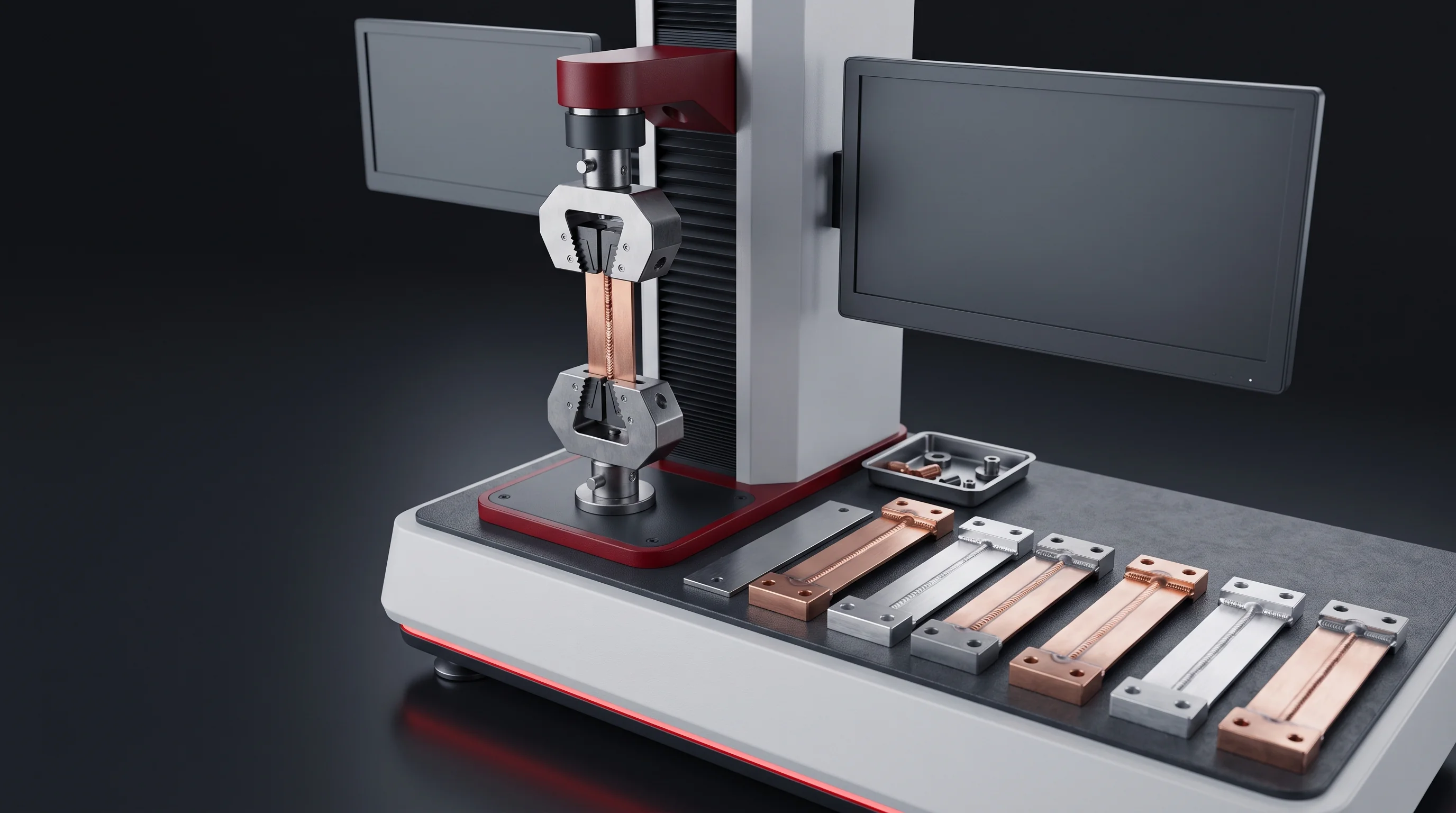
Run on your supply chain, not ours
Your cells, busbars, end plates, enclosures and cooling plates. A line running on parts from our own bench proves the machines move; a line running on your supply chain produces numbers that transfer to your building.
Attending the run
Attendance And Video Acceptance
Two weeks' notice and the bay is set to your configuration, not a demonstration one.
Send ahead
Cell drawings, module and pack configuration, target takt.
Set to your configuration
Your own module and pack being made, on your own cells, at the station layout your line is quoted on.
If travel is not possible
Same list on video, item by item, same values, same signed report.
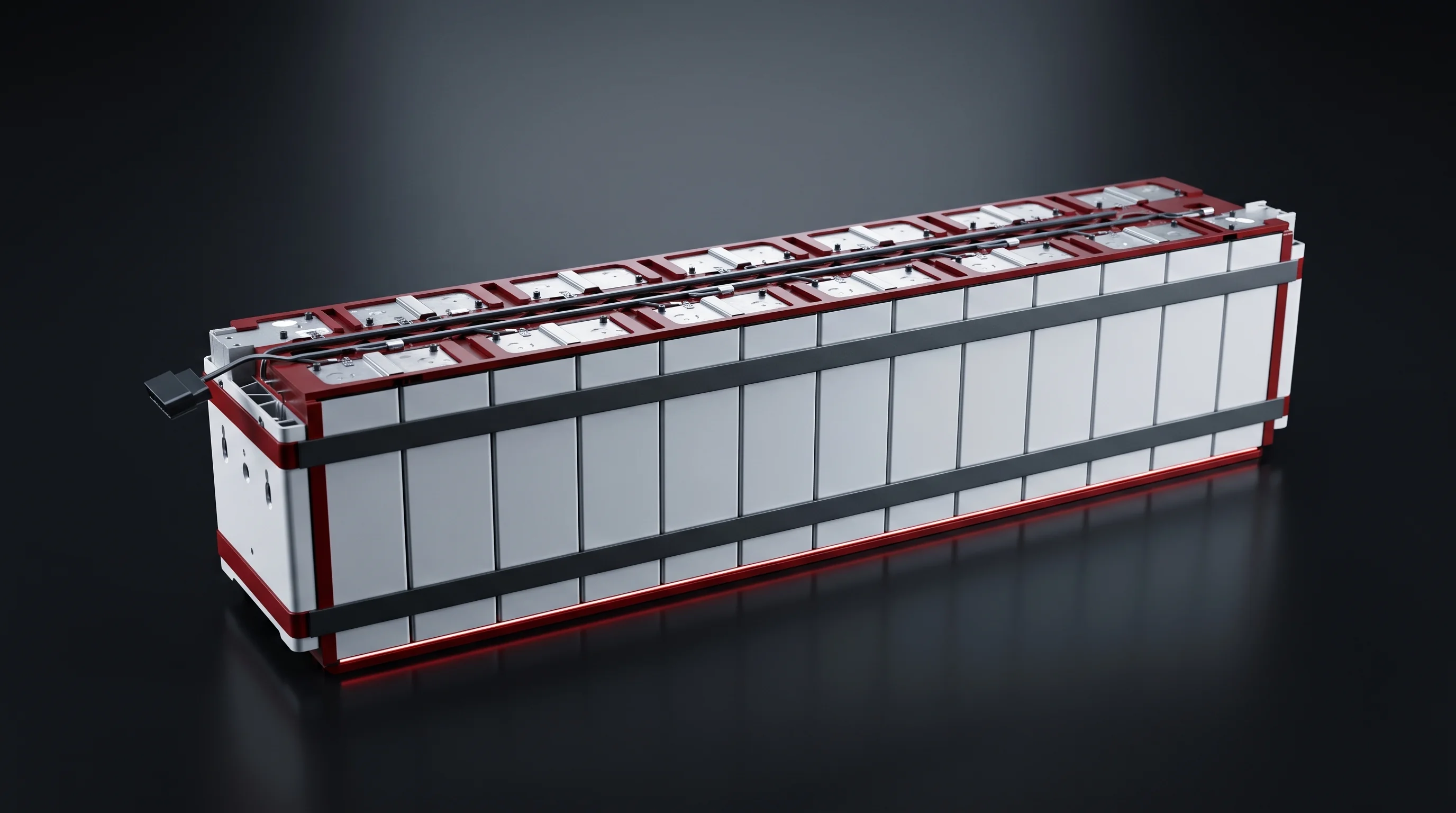
Site acceptance
Eight Hours At Your Target Takt
Where the count comes from
Takt is counted as cells entering the module segment at the loading point — where the count already exists in the machine. Defined on the capacity planning page, used here unchanged.
SAT begins once installation and commissioning are finished. The line runs 8 hours continuously at your target takt, against the same criteria list signed before shipment.
Three to five days, of which the run is one shift
- The 8-hour run itself, at your target takt
- Sampling and measurement, on parts the run made
- A walk-through of every value with your quality lead
The yield figure
99% Equipment-Caused Yield, Made Specific
The line is signed for at 99% equipment-caused yield or better — and equipment-caused is defined at step 1, not argued about during the run.
Criteria list · signed before shipment
Human factors are listed item by item in the criteria list before shipment and confirmed in writing. Each is named, so a defect found during the run is assigned to a cause off a list both sides agreed to.
- Mis-fed trays
- Incoming cell defects
- Parts presented out of specification
- Manual stations run outside the trained method
What gets counted across the 8 hours
Defined once on the capacity planning page and used here in those terms. The number in the report is arithmetic on two counts, both in the station data, both of which you can recount yourself.

- Input countCells entering at the loading point.
- NG countRecorded per station, not pooled at the end.
- Assigned causeEvery NG carries a cause off the named list.
The list both runs work through
Criteria, Method And Material Source
Every line in the criteria list has the same four columns, and this is the shape of it. The figures shown are the published station criteria; where a station has no published figure, the criterion is written and signed at step 1 rather than settled during the run.
| What is judged | Criterion | How it is measured | Material from |
|---|---|---|---|
| Line takt | Your target PPM, counted at the loading point | Cell count at the loading point across the 8-hour run | You |
| Equipment-caused yield | 99% or better | Input count against NG count, cause assigned per station | You |
| Cell scanning | 99.9% read rate or better, incoming defects excluded | Station counter across the run | You |
| Cell sorting accuracy | Voltage ±(0.01% rdg + 3 dgt), internal resistance ±(0.5% rdg + 10 dgt) | Station measurement against a reference cell | You |
| Post-press module length | ±0.5 mm | Measured on the machine after release, resolved to ±0.1 mm | You |
| Terminal addressing | ±0.2 mm or better | Vision result recorded per module | From the run |
| Busbar weld | Penetration 1.0 mm or more, width 1.5 mm or more, pull 1000 N or more | Coupons welded to the production recipe and pull tested | You |
| Gluing | Vision positioning ±0.2 mm, bead path ±2 mm, dispensed volume within 5% | Station record plus measured bead on the part | You |
| Module and pack EOL | Insulation 500 MΩ or more at DC 1000 V; hipot at DC 2800 V with leakage 10 mA or less; total voltage, internal resistance and continuity | Full EOL set run to the criteria | You |
| Air-tightness, cooling plate and pack | Criterion written and signed at step 1 | Pressure decay to the agreed method | You |
What each side brings
Test programs, recording and the engineers who run both events come from us. The parts every row is measured on come from you — which is why the numbers carry into your production, not stay in our hall.
The row with a red edge is the one still open at quotation: air-tightness depends on the enclosure and cooling circuit you build, so its criterion is written against your drawing at step 1.
Read a row left to right and it answers the three questions an acceptance argument normally turns on: what number, taken how, on whose part. A criterion with no method beside it is where two engineers measure the same module and disagree; one with no material source is where the run stops while both sides decide whose busbar it should have been.

Nine rows with published figures
Read against numbers already in print on the station pages, so you can check the list against this site before signing.
One row written at step 1
Air-tightness, agreed to a method and a decay figure against your own enclosure drawing.
Before the order, not after commissioning
Send A Cell Datasheet, Get A Draft Criteria List
Send the cell datasheet, your module and pack configuration and the target takt the line has to hold. Back within 24 hours: a draft criteria list station by station, the material quantities both runs need, and the sequence with the working days each step takes.
Bill of material
The Parts You Bring To Both Runs
Fixed at step 2, known before the order, so they go into your own purchasing rather than turning up late.
Full material for 20 modules and 5 packs
- 260 cells for 20 modules, plus 10% spare
- Busbars, end plates and insulation sheets for 20 modules
- 5 enclosures with 5 cooling plates
20 modules × 13 cells = 260, +10% spare ≈ 290
Enough cells to run 8 hours at your takt
- Cell count = your PPM × 480 minutes
- Same sampling material as FAT for the modules and packs tested
- Part numbers in writing, not just quantities
8 PPM × 480 min = 3,840 cells

Why part numbers, and not just counts
A busbar that differs from the production part changes what a weld coupon means. Both lists are confirmed at step 2 with part numbers, so the coupons pulled are coupons of the part your line will weld in volume.
Both reports then record your own parts on the line — the only version of the number that carries into production.
Step 1 in detail
Criteria Signed Before The Line Ships
Written station by station, signed before the line leaves our hall. Each line carries five fields.
- 01StationWhich machine it belongs to, in line order.
- 02Quantity judgedNamed in the same terms the machine uses.
- 03CriterionThe figure it has to meet.
- 04MethodSo two people measuring get the same reading.
- 05Material sourceWhose part it is measured on.
- 1
The engineer who set it writes it
The process engineer who wrote the recipe writes the criterion it has to meet. Nobody writes one for a parameter they did not set.
- 2
Quality signs it
The same routing as recipe changes: acceptance document and machine recipe carry the same two signatures.
- 3
You countersign before shipment
You hold a copy from before the crates closed — not a document produced on the day of the run.
What that produces at both runs is comparison, not judgement
Both sides read a measured value against a number agreed while the line was still being built. An item either meets the figure on the sheet or goes on the open list. The reason it is fixed before shipment is practical: a criterion agreed while the machine can still be changed is a criterion the machine can be built to.
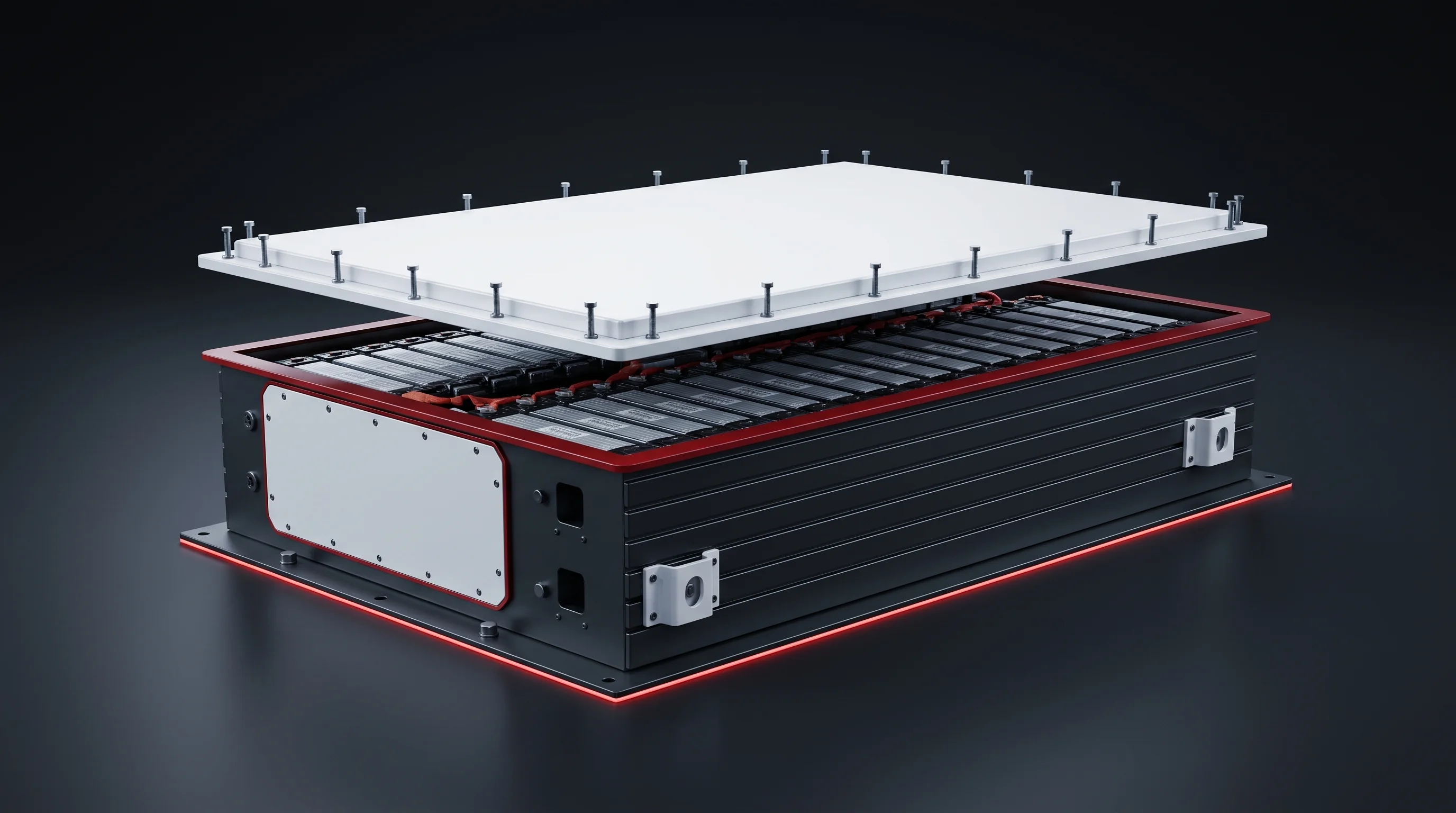
What the criteria are anchored to
Recipes That Travel With The Criteria
Stored by part number
- Busbar geometry, for welding
- Carrier and nickel strip specification, for branch stations
- A repair on a returned part is welded to the recipe stored against that part number, not a bench setting
A first-article recipe is developed on the offline gantry laser welding machine, its coupons pulled to the 1000 N criterion, and the qualified recipe goes to the inline busbar welding station in the same format with the same two signatures.
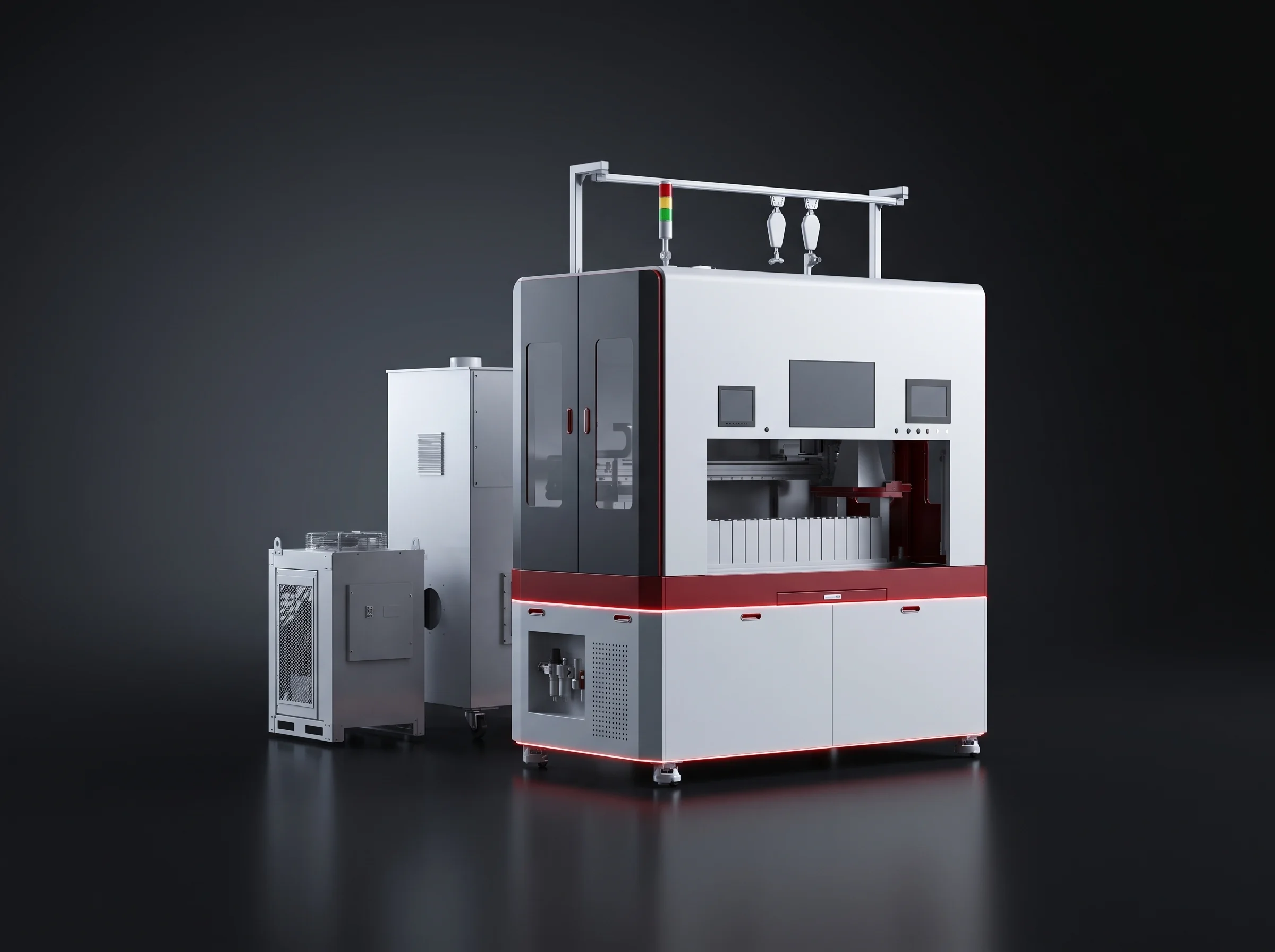
Operators
Select a recipe, release a part. That is the whole account.
Select & releaseProcess engineers
The engineer who wrote a recipe is the only account that edits it.
Write & editQuality
Signs the change before it goes live — the signature that also stands under the acceptance criterion.
Sign to release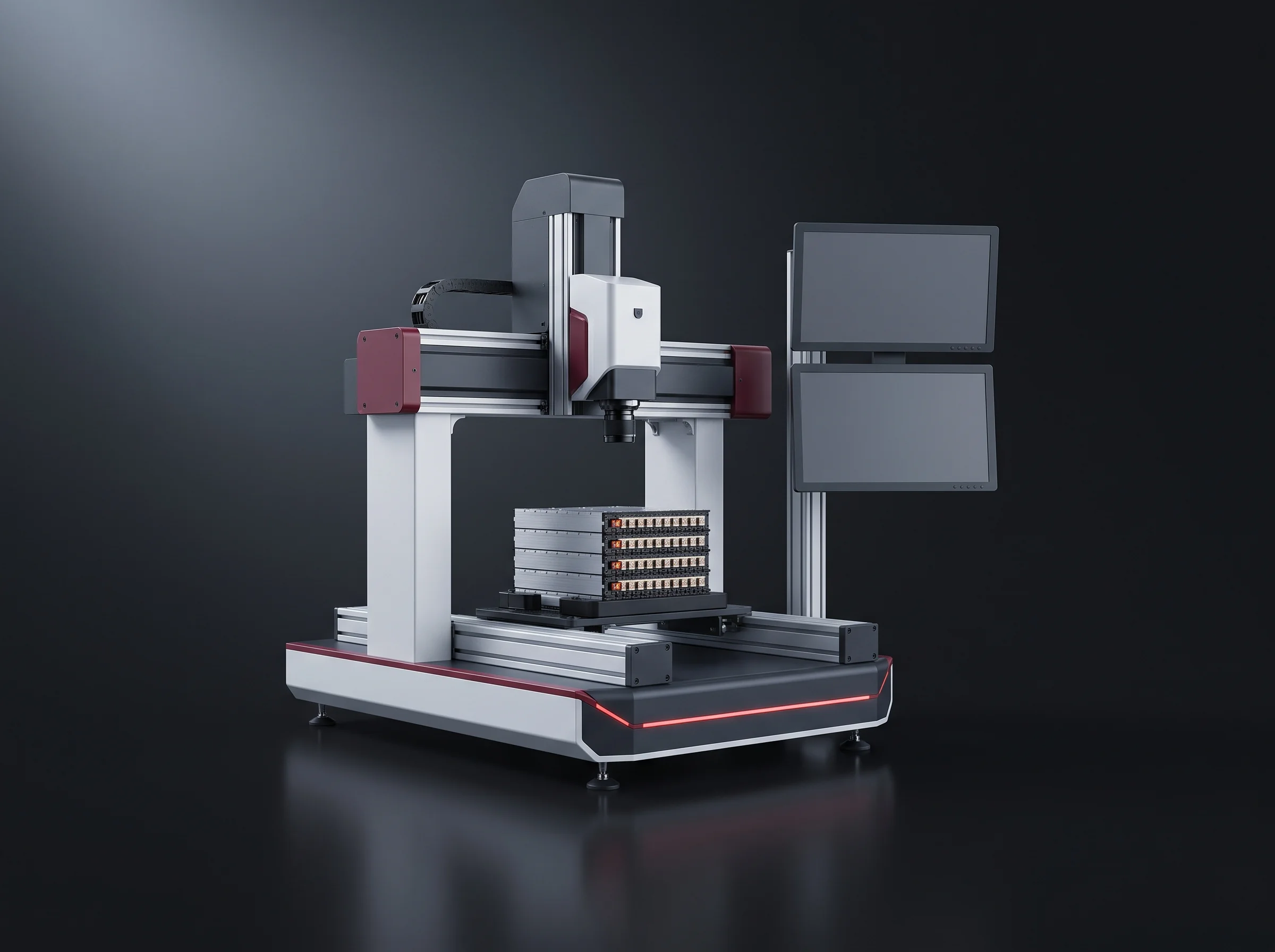
Items that miss
A Retest Of The Open Items Only
An open item is three fields, and nothing more
- StationWhere it was measured.
- Measured valueWhat the instrument read.
- CriterionThe figure it was judged against.
A passing value measured on your parts does not become more true by being measured again, and reopening the whole list is how a two-item correction turns into a second acceptance event.
If the same item misses twice in a row, both sides settle it in writing against the criterion in the signed list, not a new one.

Step 8
Five Days, Three Roles
Five working days on your line after the SAT report is signed, split by role rather than delivered as one course to everyone in the room.
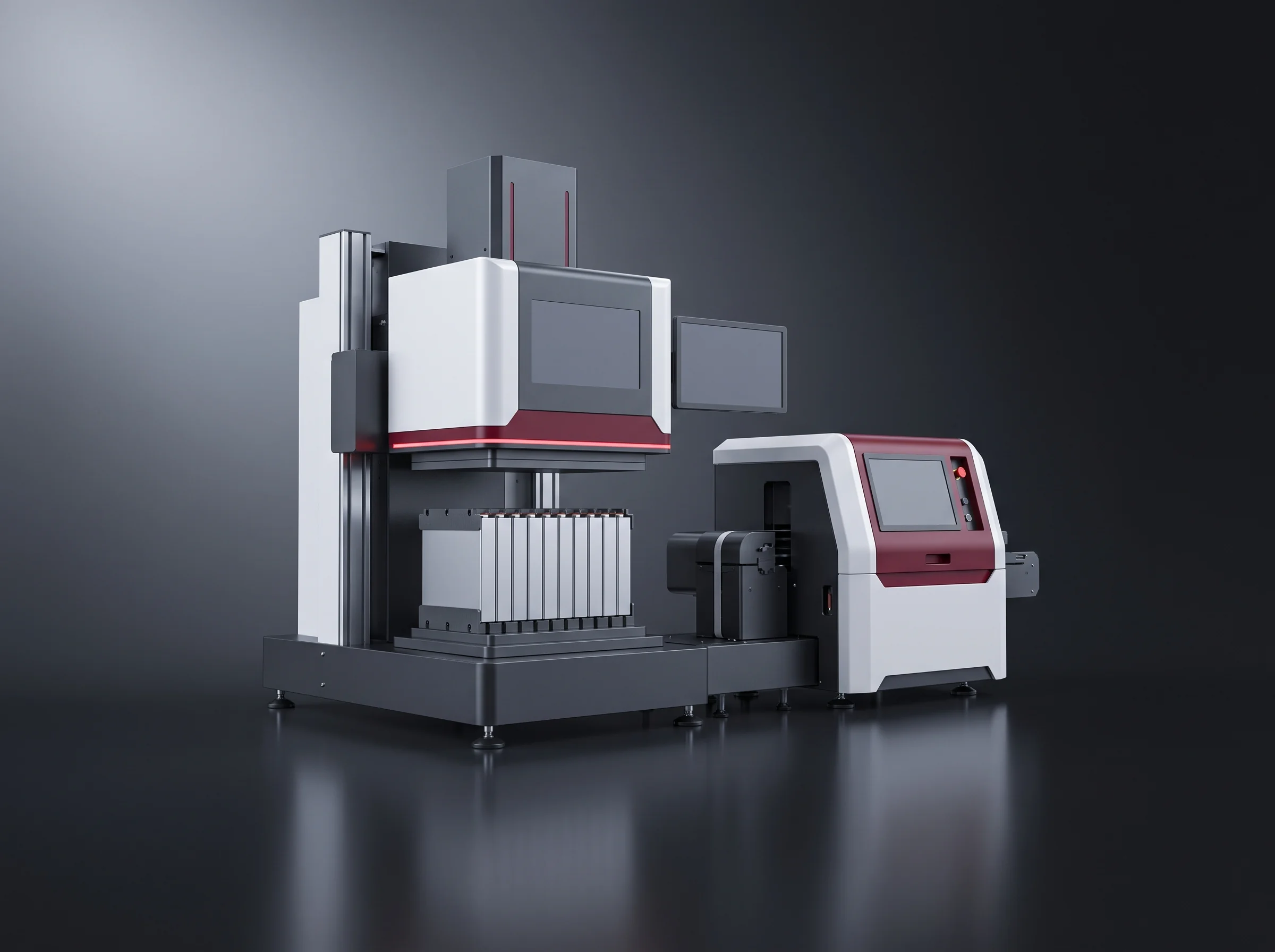
Select, release, and hold
Three things cover almost everything at a machine-paced position.
- Selecting a recipe
- Releasing a part
- What to do with a part the line holds
Skip holding and a held part with no trained response becomes a part someone releases by hand.
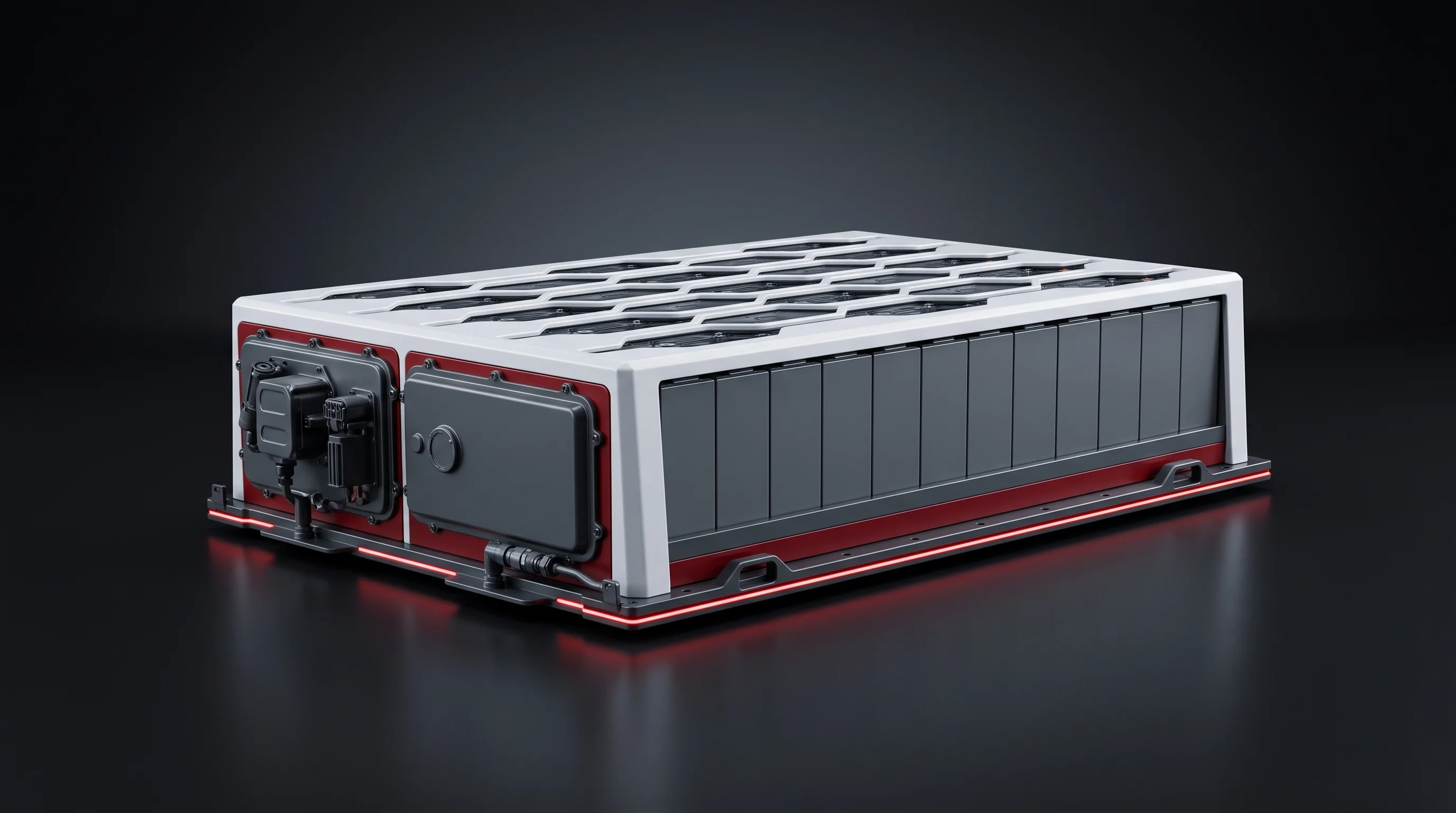
Write, read, qualify
What lets a new type reach volume without calling us.
- Writing a recipe
- Reading station records, including the force curve from the module stacking and pressing station
- Qualifying a first article before a new type goes to volume
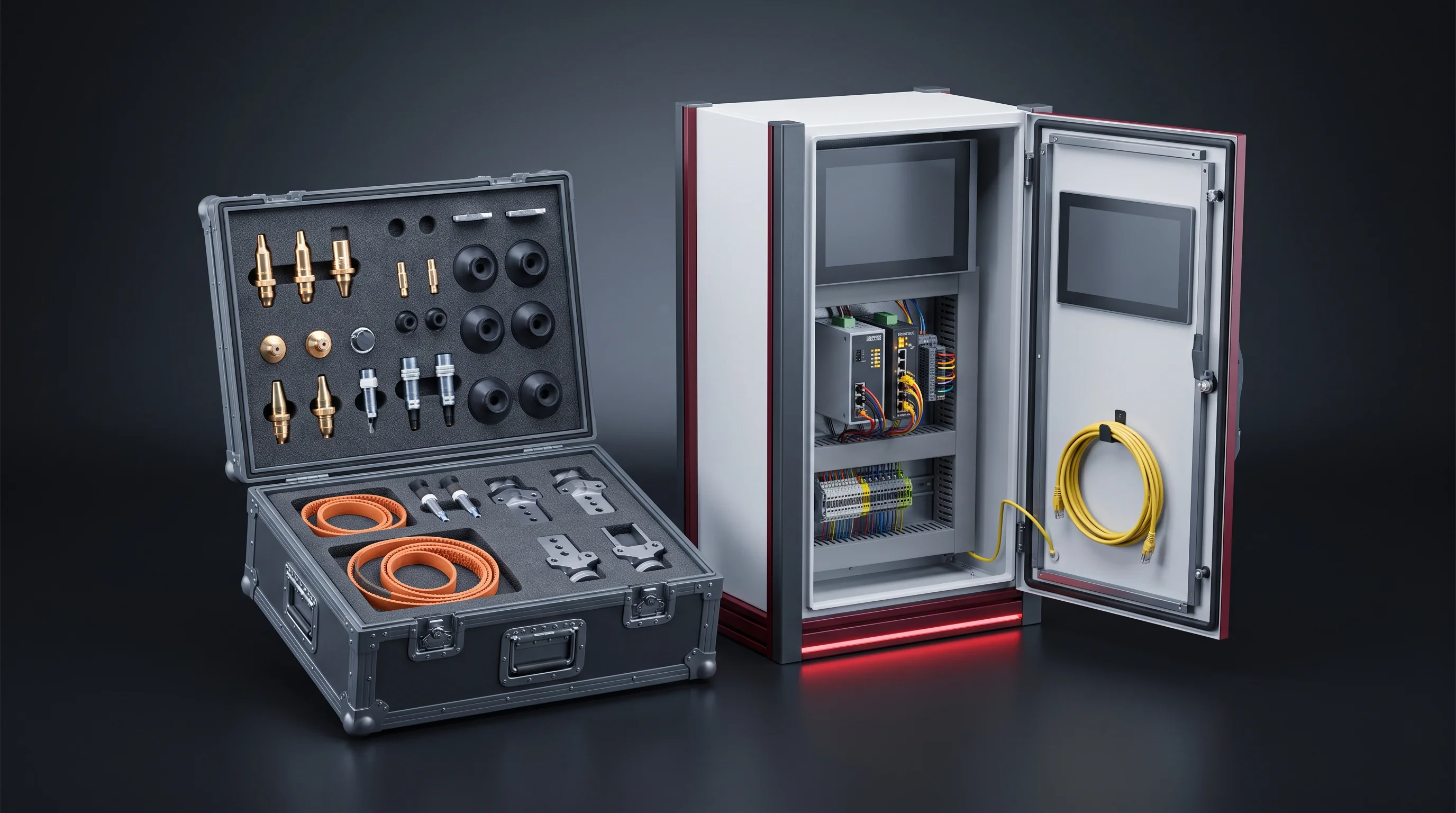
Both routes open on day one
Walked through on your own line, not read off a manual.
- The wear parts list, item by item
- The diagnostics connection, tested while we are still there
Both routes open on day one, not discovered during the first fault.
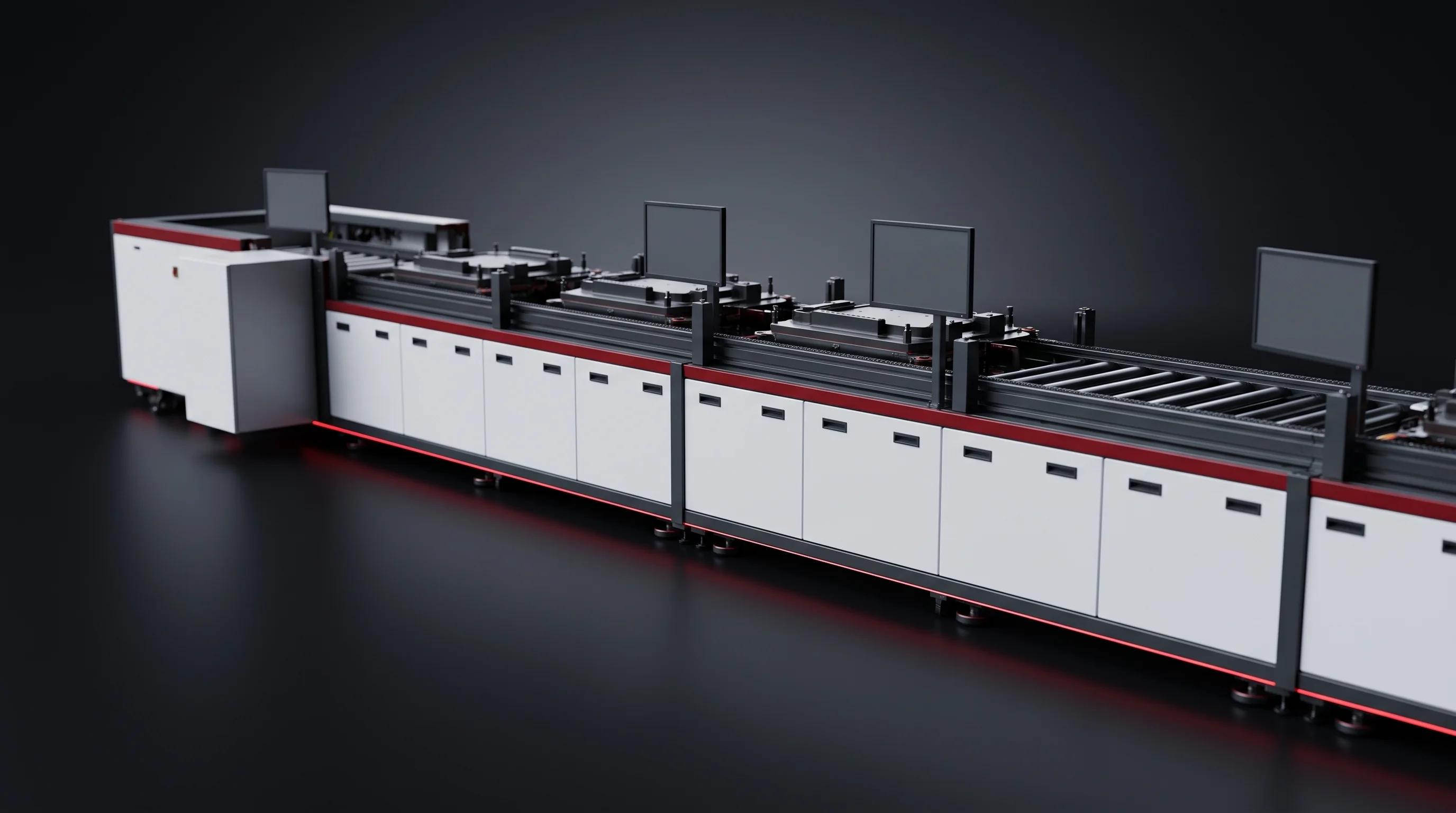
Why the split matters more than the days
One course for everyone leaves each role with a quarter of what it needs. Split by role, an operator finishes able to run the position, an engineer able to write and qualify, maintenance with both routes tried.
What stays with your plant
Five Line Acceptance Documents
Five documents come out of the sequence and stay with your plant.
FAT report
Values from our bay, beside their criteria.
SAT report
The same list on your floor, with any open list and retest record attached.
Annotated station list
Every station labelled AUTO, SEMI-AUTO or MANUAL.
EOL test item list
Which tests run at which gate, to which threshold.
Recipe list
The parameters every station was signed for.
Together they answer the question asked eighteen months later about a pack that came back: what this line was judged on, what it measured on the day, and what it was set to.
Your enquiry, ready to send
If your email client opened, it is already in the message. If nothing opened, use one of the two routes below.
Start a project
Put Line Acceptance In The Schedule
Three required lines to our engineering team and a draft criteria list written station by station, the material quantities for both runs, and the eight steps with the working days each one takes come back within 24 hours — so the acceptance segment goes into your project schedule before the order rather than after commissioning. Behind it: 26 engineers and 40+ line segments delivered into 12 countries, on the about page.