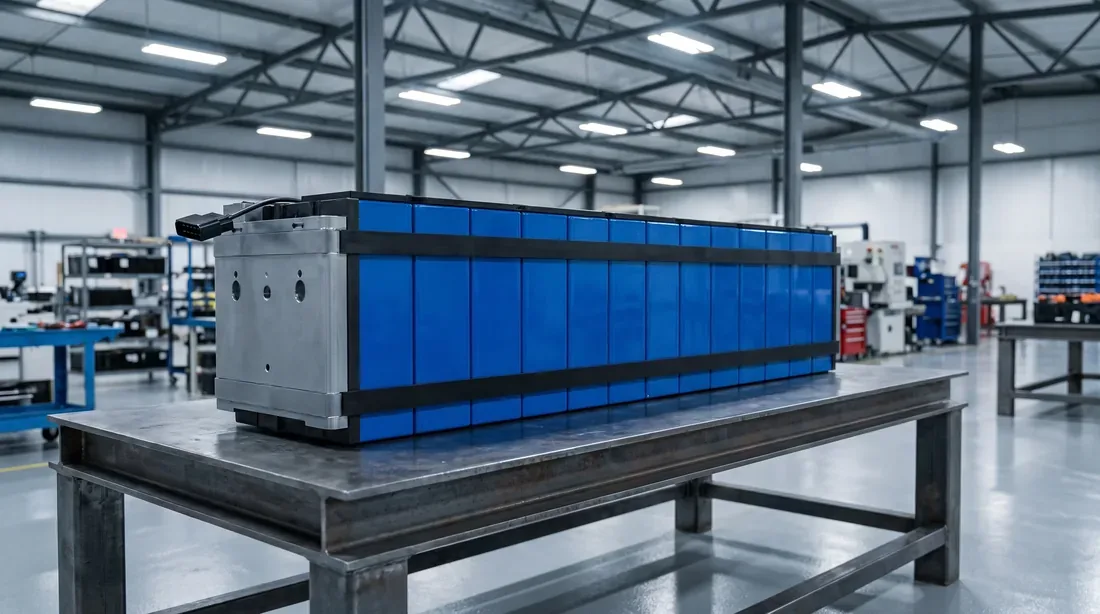
End-of-line testing / seven stations, two segments
Battery Pack End of Line Testing Equipment, and the
Thresholds It Is Judged On
Seven test stations across the module and pack segments. Two of them have thresholds we publish here; the other five have criteria set with your parts and written into the acceptance document.
Seven gates — four in the module segment, three in the pack segment.
What is published, and what is agreed
- Two thresholds published on this page
- Five criteria set with your parts
- All seven in the same acceptance document
The acceptance document is written before the line ships, from the test list
Which makes the test list the most commercially important page in the whole quotation, and the one most often left vague.
You are signing for behaviour, not hardware
The test list decides what you can refuse
Vague is not neutral
This page exists to be specific
The station lists themselves live elsewhere — the module segment and the pack segment each publish their own. This page is only about the positions where something is measured.
Three ways a test specification fails you, and none of them is a broken instrument
All three happen on paper, months before anything is measured.
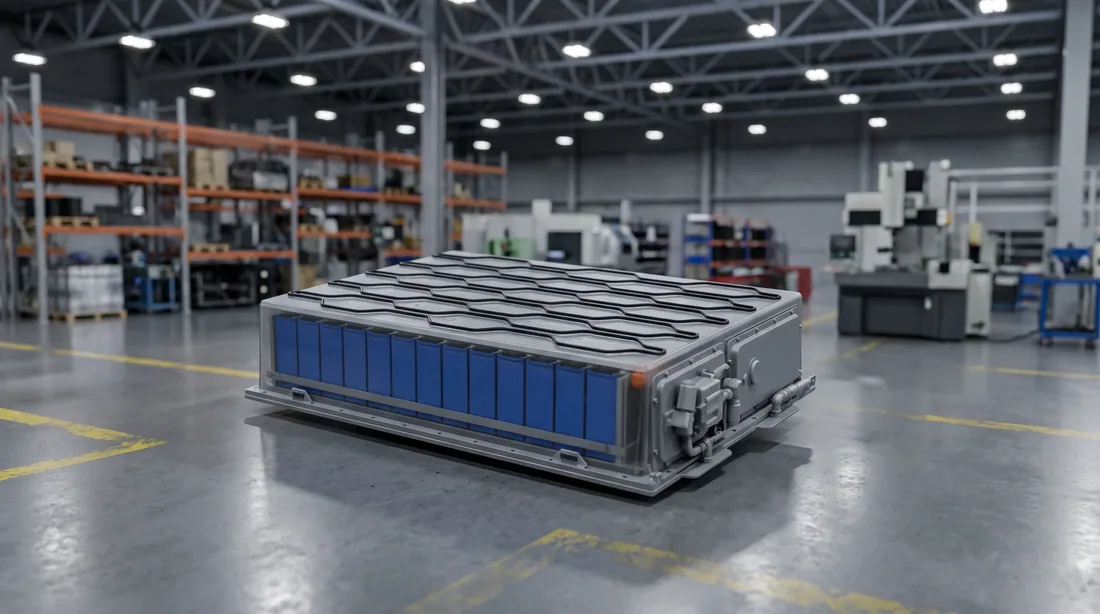
The first two are avoidable with a list. The third is avoidable only by testing the assembled pack as its own object — which is why the last gate on the line is the one this page opens up.
A property nobody measured is a property nobody can refuse. The test list is the shortest version of your acceptance document.
Module segment
Pack segment
Seven in total
Seven places on the line where something is measured
Four in the module segment, three in the pack segment. Their positions matter as much as their thresholds — a test late in the line is a test that has already let work accumulate behind it.
Module segment 02 · 10 · 15 · 16 / Pack segment 02 · 13 · 14
| Where | Station | Criterion source |
|---|---|---|
| MOD 02 | Cell scanning, OCV test and sorting | Published |
| MOD 10 | Polarity and insulation test | In your acceptance document |
| MOD 15 | Manual re-inspection and communication test | In your acceptance document |
| MOD 16 | Module end-of-line test | Published |
| PAC 02 | Liquid-cooling plate leak test | In your acceptance document |
| PAC 13 | Whole-pack air-tightness test | In your acceptance document |
| PAC 14 | Pack end-of-line test | In your acceptance document |
Two of the seven are published
Five are set against your parts
The order is the argument
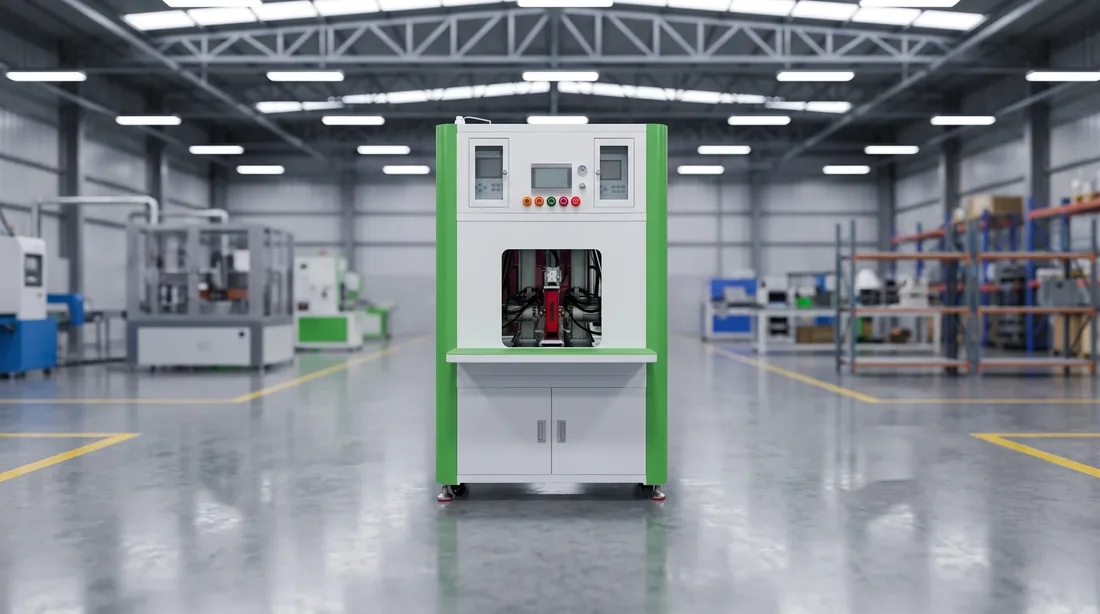
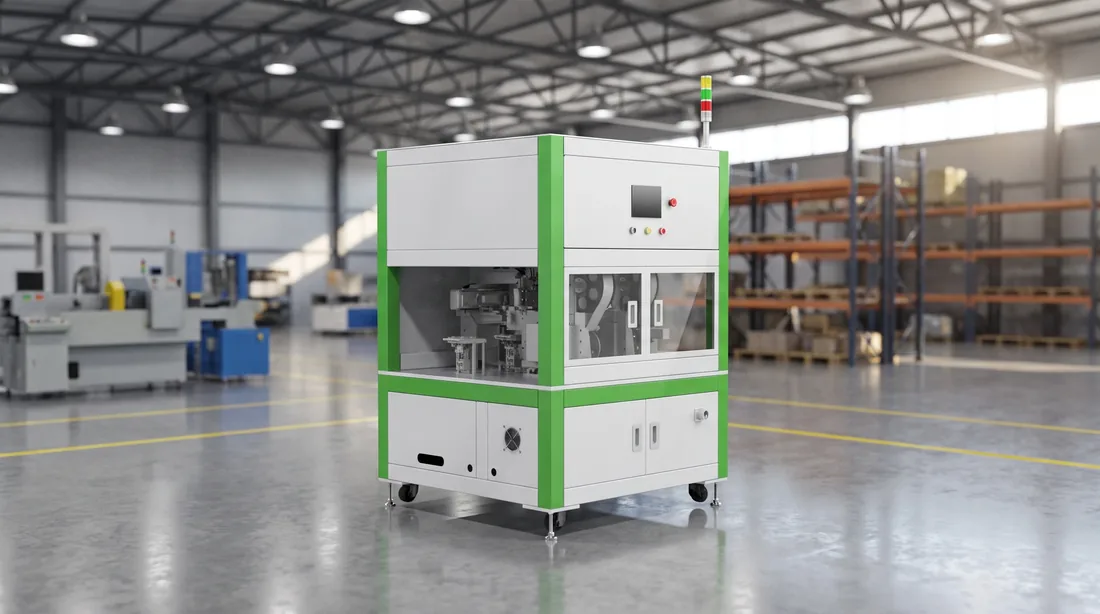

The thresholds that are published, exactly as they are quoted
Two stations, and every figure below is the figure that goes into the acceptance document — not a rounded version of it.
Module segment · station 16
| Test | Condition | CriterionAs it appears in the acceptance document |
|---|---|---|
| Insulation | DC 1000 V | ≥500 MΩInsulation resistance |
| Withstand voltage | DC 2800 V | ≤10 mALeakage current |
| Total voltage and internal resistance | Not a condition of ours | Test itemCriterion in your acceptance document |
| Continuity | Not a condition of ours | Test itemCriterion in your acceptance document |
Module segment · station 02
| Measurement | Instrument accuracyQuoted from the cell sorting station |
|---|---|
| Scan success rate | ≥99.9%Excluding incoming defects |
| Voltage accuracy | ±(0.01%rdg + 3dgt) |
| Internal resistance accuracy | ±(0.5%rdg + 10dgt) |
| Handling of a reject | NG removed automatically, the gap refilled automatically |
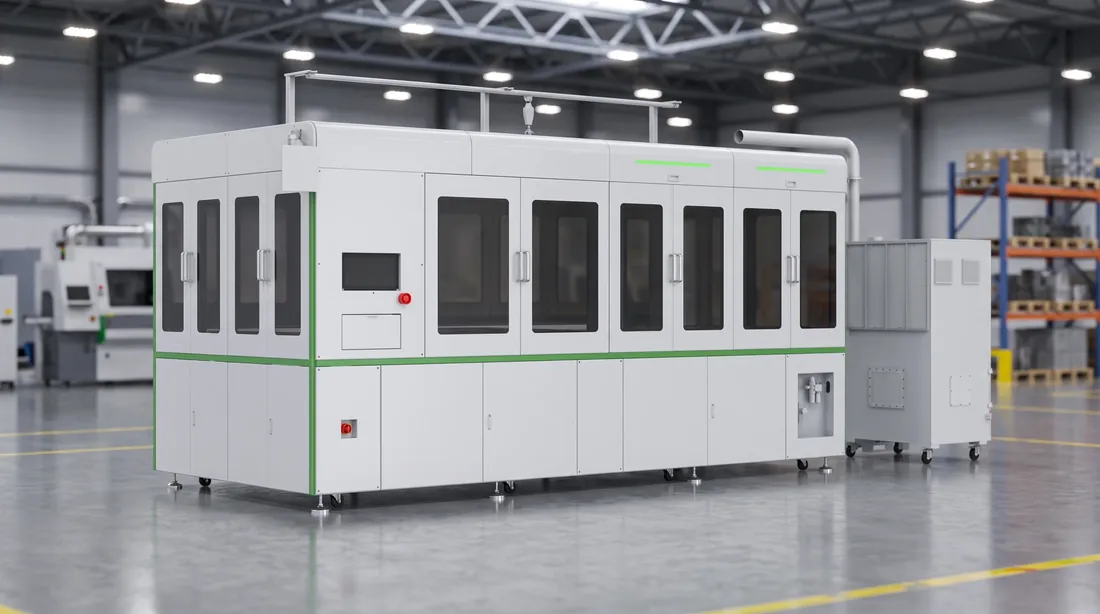
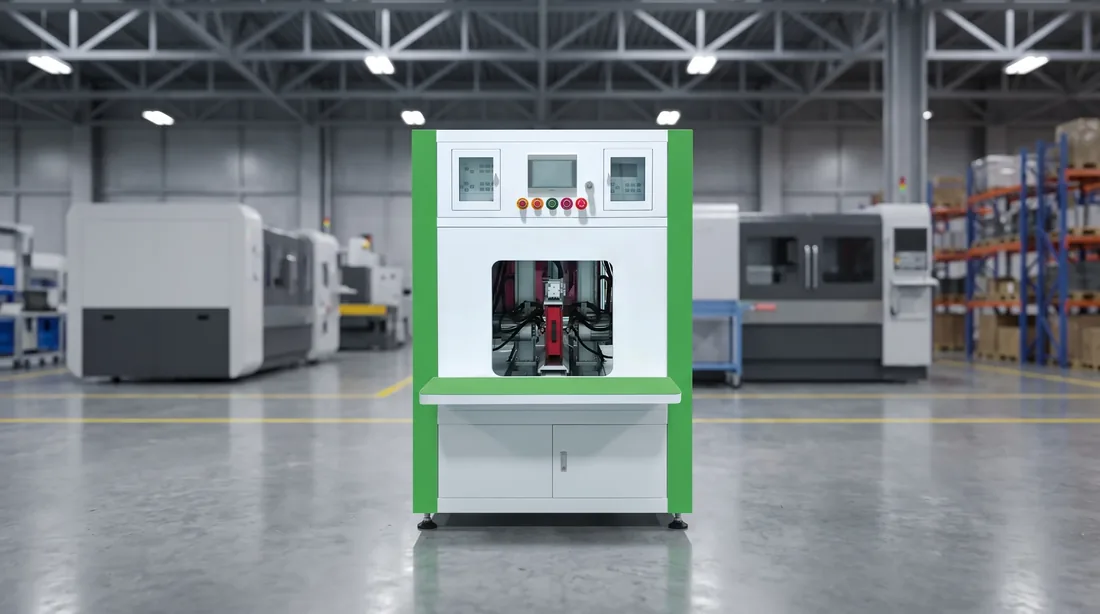
Five stations whose criteria are set with your parts, and why we do not print a number here
Printing one would make this page look more complete and make your acceptance document less true.
- MOD 10Polarity and insulation testIn your acceptance document
- MOD 15Manual re-inspection and communication testIn your acceptance document
- PAC 02Liquid-cooling plate leak testIn your acceptance document
- PAC 13Whole-pack air-tightness testIn your acceptance document
- PAC 14Pack end-of-line testIn your acceptance document
A criterion without its object is a number without meaning
They are not optional, they are deferred
Where they get fixed
This is the part of a test specification worth reading closely when you compare suppliers. A specification that prints a figure for all seven has either engineered your pack already, or has printed something it will renegotiate later.

The last gate that can still stop a problem from leaving
By the time a pack reaches this station, everything that could have gone wrong has already gone wrong or not. This is where the line finds out which.
Pack segment · station 13 — the last gate before the pack is a product
- Why this one
The only test that examines the pack as a single closed object.
Every earlier gate tests a part, or a property of a part. This one tests the thing you actually ship, in the state you actually ship it — and it is the last position where a decision costs you a rework rather than a site visit. - What arrives here already wrong
Twelve stations of pack assembly sit behind it.
The enclosure floor bead, the module insertion, the fixings, the busbars, the harness, the cover and its tightening, the front panel. Any of those can leave a sealing path imperfect, and none of them reports it. The bead in particular was laid ten stations earlier and has been invisible since. - What it costs to find out later
Not a warranty event. An access event.
A pack that leaves sealed-enough and fails in the field means somebody has to reach an installed pack, in a cabinet, on a site, with the system down. The same defect caught at this station is a cover off and a re-work on your own floor. - What we do about it
Test the assembled pack, and test it before the electrical gate.
The station tests the assembled pack rather than sampling it, and it sits before the pack end-of-line test rather than after — so a sealing problem is separated from an electrical one instead of arriving as a single ambiguous failure at the last station. - What proves it
⚠️ This station's pass criterion is not published on this page.
It is set against your enclosure and your sealing design during engineering, and written into the acceptance document before the line ships — in the same document, and with the same standing, as the module EOL thresholds in section 06.
The other end of this argument — how a bead laid at pack station 03 stays invisible for ten stations — is on the pack assembly line page.
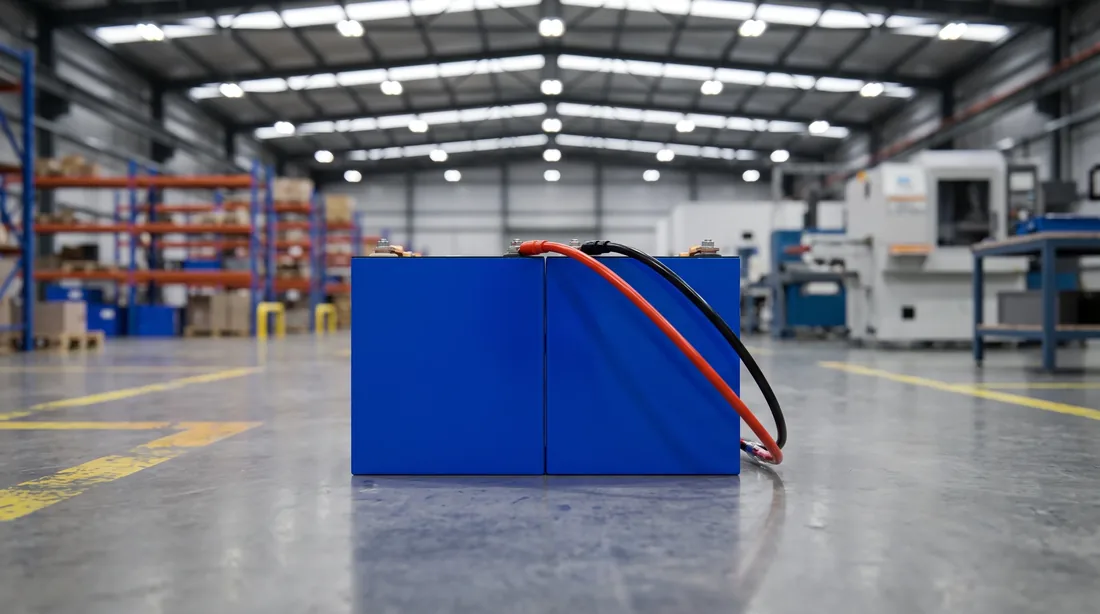
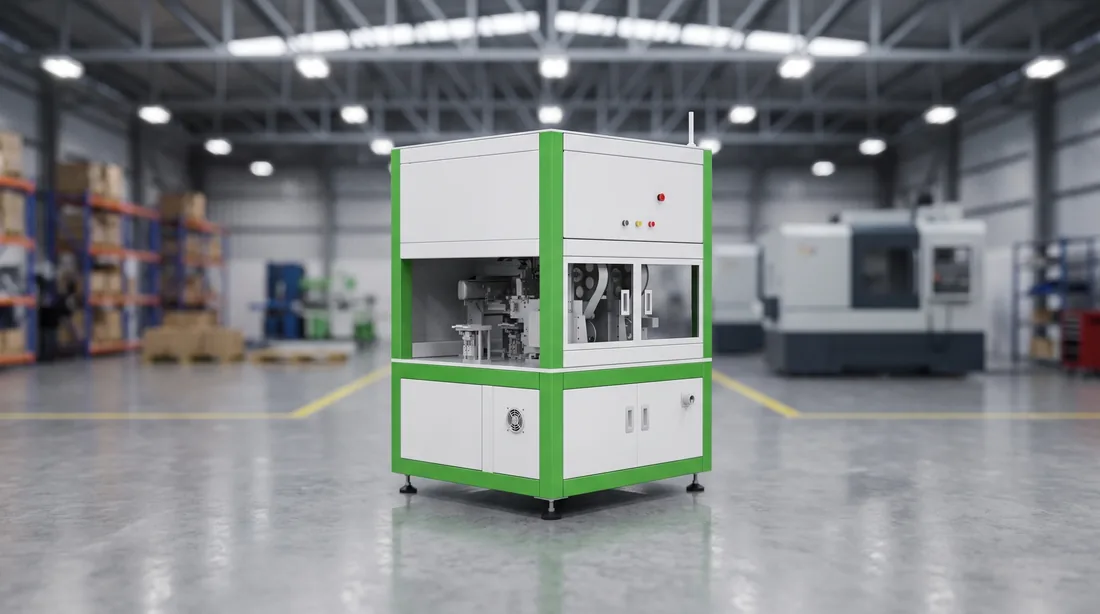
Module EOL and pack EOL are different tests with different jobs
They are often quoted as one line item, which is how a line ends up with only one of them.
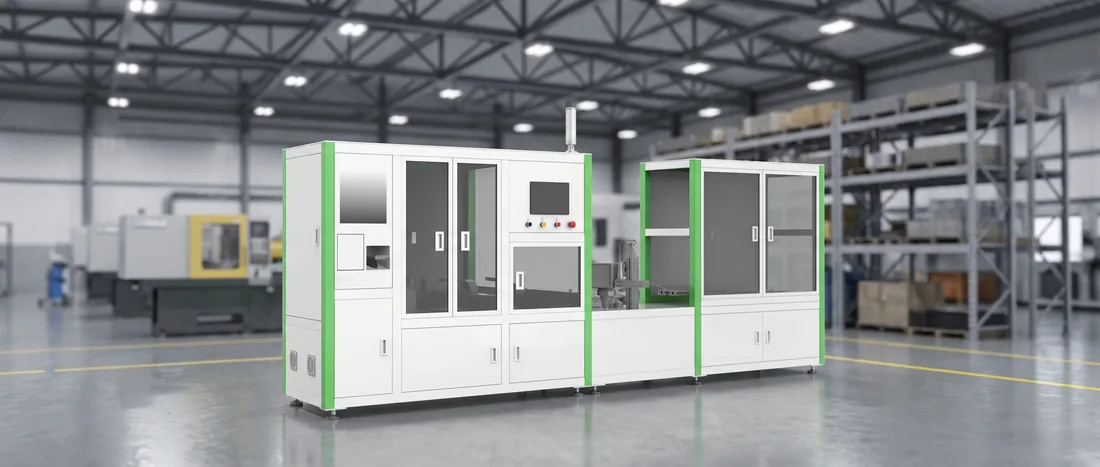
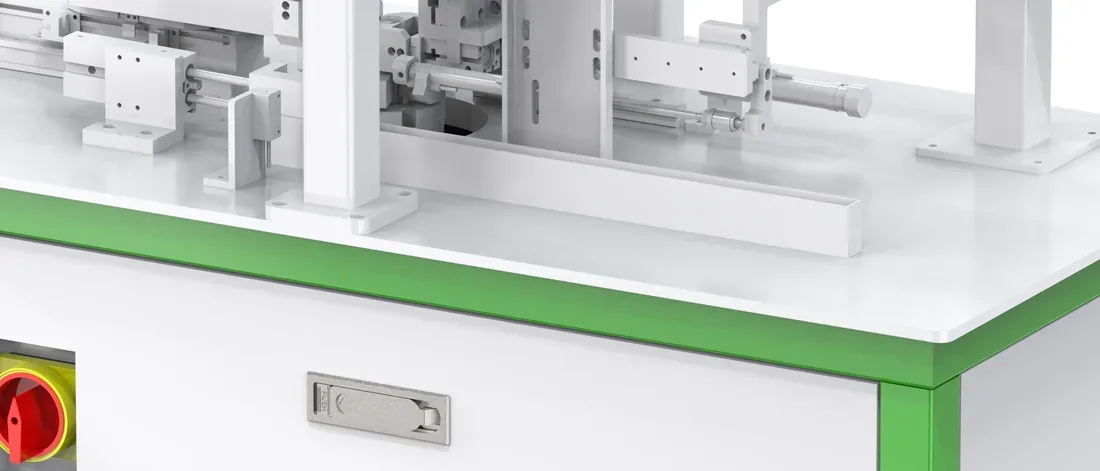
Passing the first does not predict the second
One line item, two instruments
Both belong in the acceptance document
Accuracy is not a threshold, and a threshold is not a verdict
Three different things, routinely quoted as if they were one. Telling them apart is the fastest way to read a test specification.
Accuracy — what the instrument can resolve
Threshold — the line between pass and fail
Verdict — what the line does about it
When you compare three test specifications, sort every figure into one of these three. A specification heavy on accuracy and light on thresholds is describing its instruments rather than its results — and instruments are the part nobody argues about at acceptance.
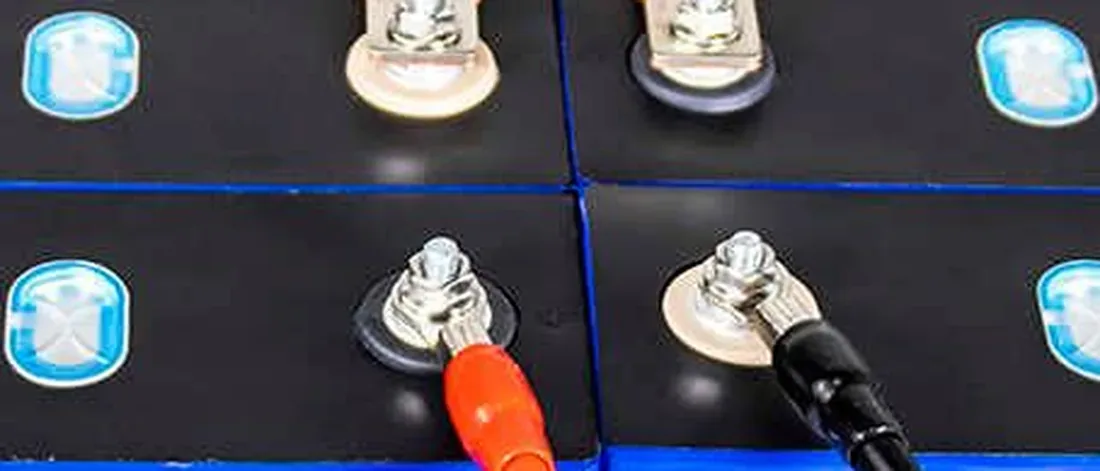
One line-level figure sits above the seven station-level ones
The seven gates judge parts. This one judges the line, and it is the figure the acceptance meeting turns on.
counting equipment-caused defects only, excluding human factors
Station-level and line-level are different claims
The qualifier is the whole meaning
How yield is defined is stated once
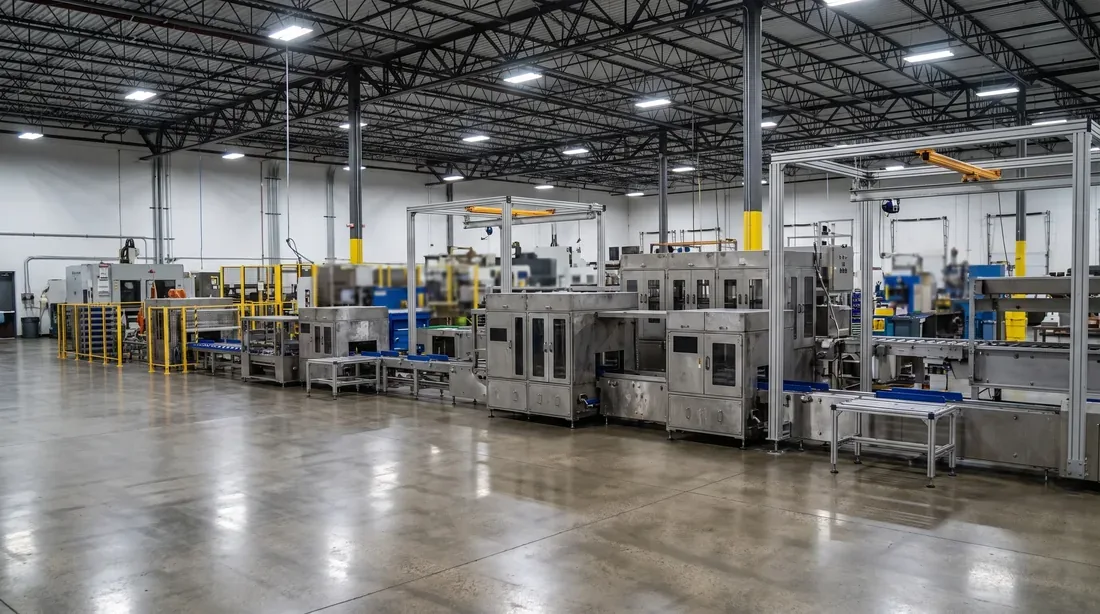
Ask for the test specification before you ask for the price
Send your pack drawing and your BMS, and the seven stations come back with a criterion against each — published where published, and marked where it is set with your parts.
Reply within 24 hours / Every criterion we send is one we are willing to put in the acceptance document
Four things about testing that end up in the document you sign
Everything on this page exists to make these four specific rather than reassuring.
- Item 01
The station list
Which of the seven gates your line has, and where each one sits. - Item 02
The criterion for each
Published figures where they exist, agreed figures where they do not — with no gaps left to be settled during ramp-up. - Item 03
The line figure
≥99% acceptance yield, counting equipment-caused defects only. - Item 04
What happens to a reject
Removal, refill, hold or rework — stated per station, because a verdict with no action attached is not a gate.
Certifications
The document is one document
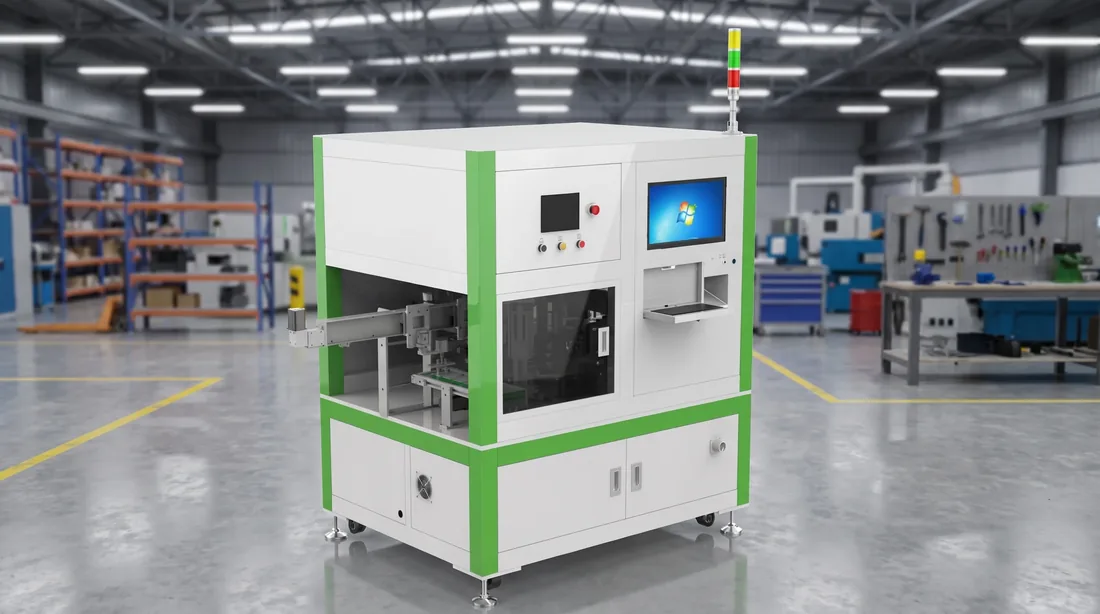
Four questions that separate a test specification from a test list
How many test stations, and where?
Which criteria are published, and which are agreed?
Is the whole pack tested as an object, or only its modules?
What does the line do with a fail?
We publish two of seven thresholds and say so. A specification that publishes seven of seven, for a pack it has never seen, is not more transparent — it is less careful. That distinction is the whole reason this page is laid out the way it is.
Where the stations, the machines and the line figures are written up
- Cell handling
- Module segment
- Pack segment
- Testing — you are here
Send the enclosure detail with the pack drawing
Sealing design is what most of the outstanding criteria are waiting on.
Without it they stay deferred, not estimated