Conveying and positioning / BLP-CV — the segment between the stations
The Battery Assembly Conveyor Is Not a Machine — It Turns
32 Stations Into One Line
It carries ≥200 kg at up to 20 m/min, but neither figure is what the next machine depends on. What it depends on is where the part stops — and whether it is located there.
⚠️ Conveying speed is not takt. The slowest station sets takt — this figure only decides what is lost between stations. Section 07.
What the next station inherits
- Arrest — the carrier stops travelling
- Lift and locate — the part is set against a datum
- The gap between them — takt variance and station alarms
- ≥200 kgCarrier load
- ≤20 m/minConveying speed
- ModularStop and lift positioning
Seventeen stations, then fifteen more. This is the thing between them.
Every other page on this site describes a station. This one describes the distance between two stations, which is where a line stops being a collection of machines.
A station is a place where something happens
The conveyor is where nothing happens to the part
Which is why it is specified last and blamed first
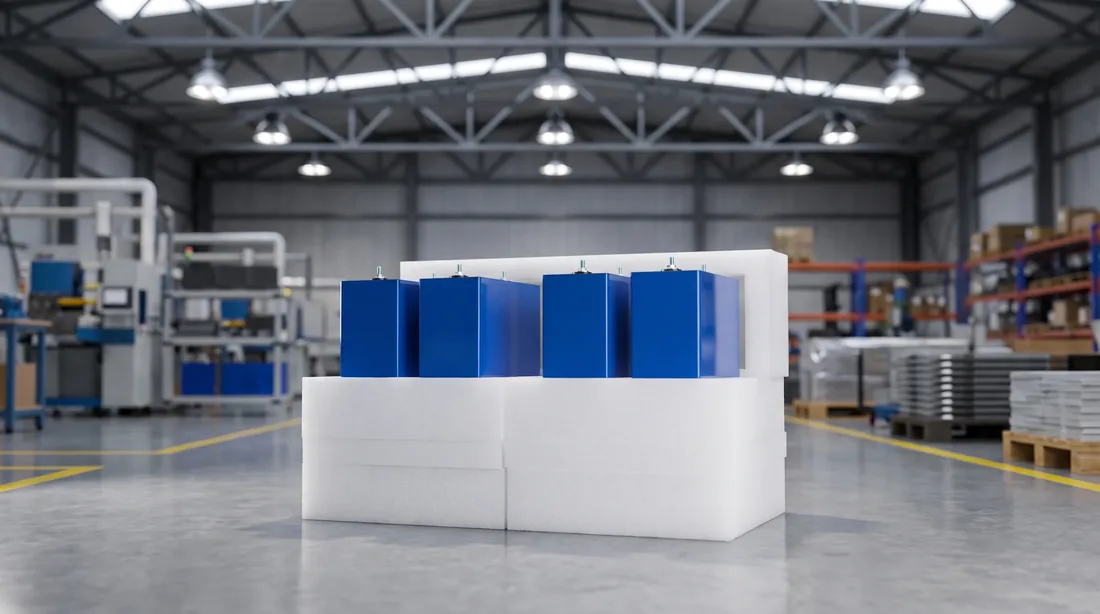
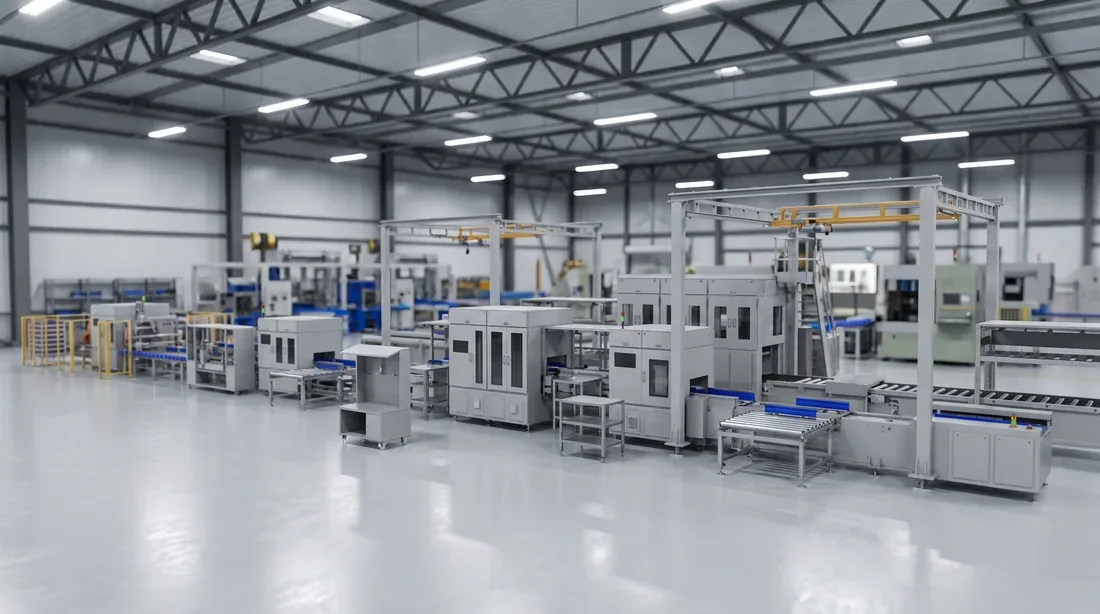
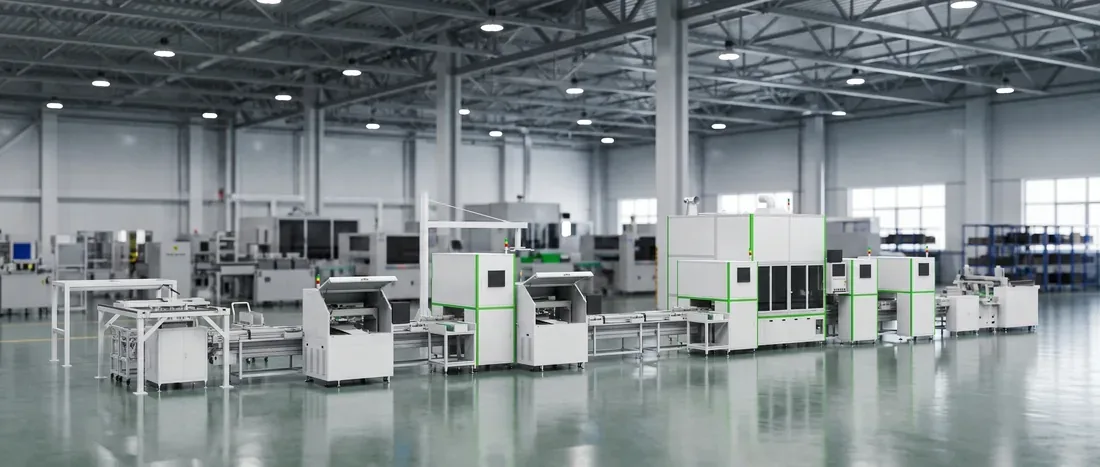
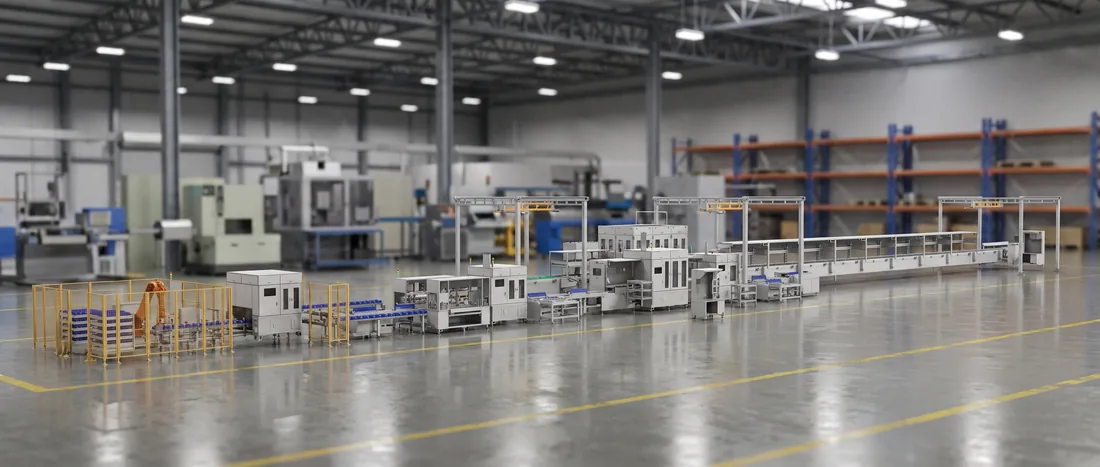
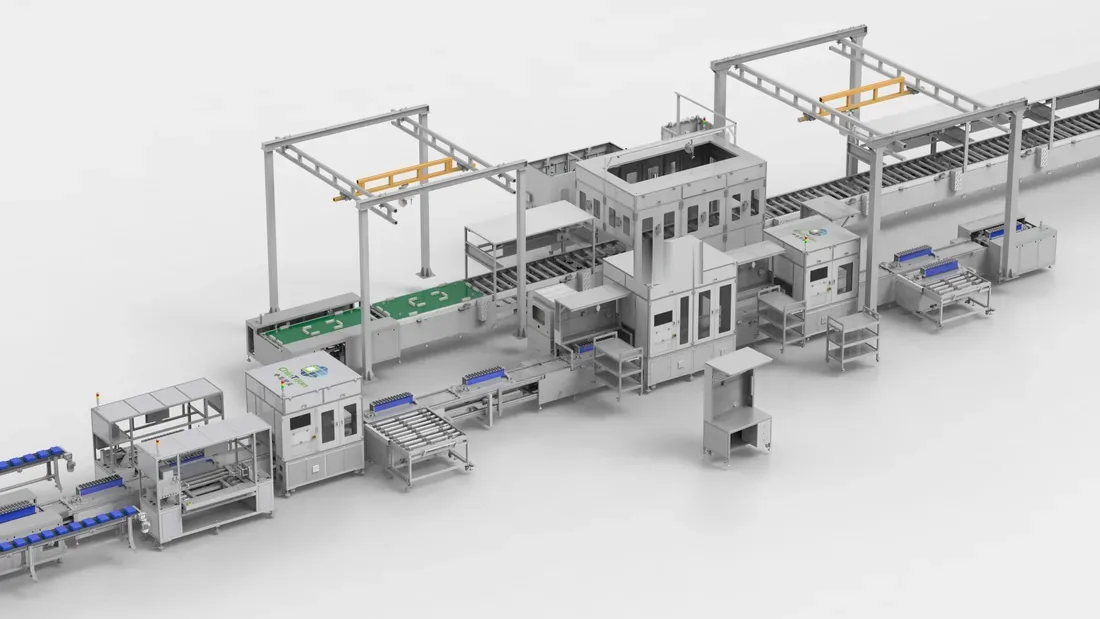
Seventeen stations in the module segment and fifteen in the pack segment — thirty-two in total — are not a line until something moves the part through them the same way every time. That is what is specified on this page, and on our lines it is specified as BLP-CV.
If you found this page first, here is what we build and where we stop
Conveyor searches bring in people specifying a whole cell plant. Two minutes here can save you a fortnight of quotations from entirely the wrong kind of supplier.
What we build
Where the line starts
Where we stop, and why it saves you time to know now
A stop arrests the part. It does not decide where the part is. Everything downstream is built on the difference between those two sentences.
Arrest
Locate
The gap between them
Three figures on the datasheet, and the question each one answers
⚠️ Two of them are ceilings, not operating points. Read them as limits and the third one becomes the interesting number.
What it answers
What it does not answer
What it answers
What it does not answer
What it answers
What it does not answer
What it answers
What it does not answer
Why the carrier is rated at ≥200 kg when the module weighs ≤100 kg
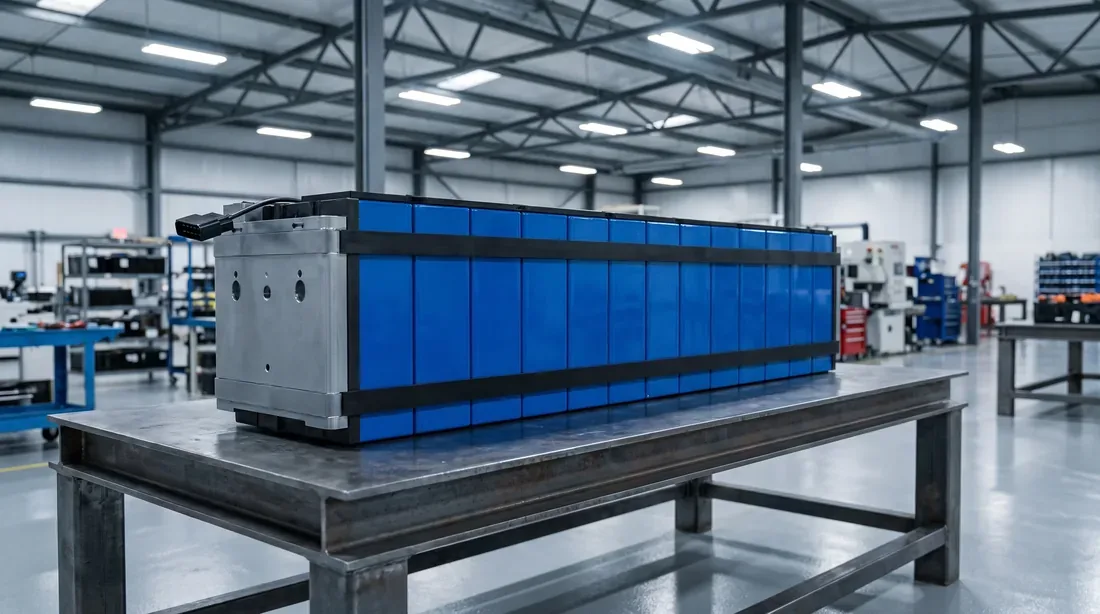
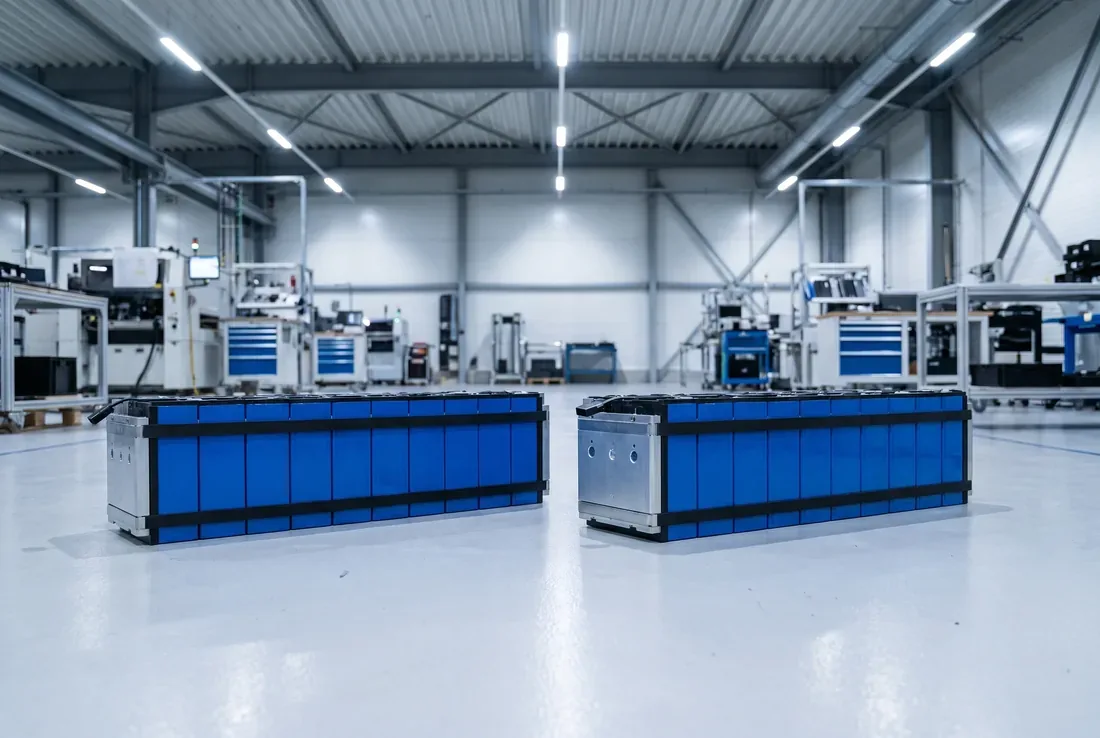
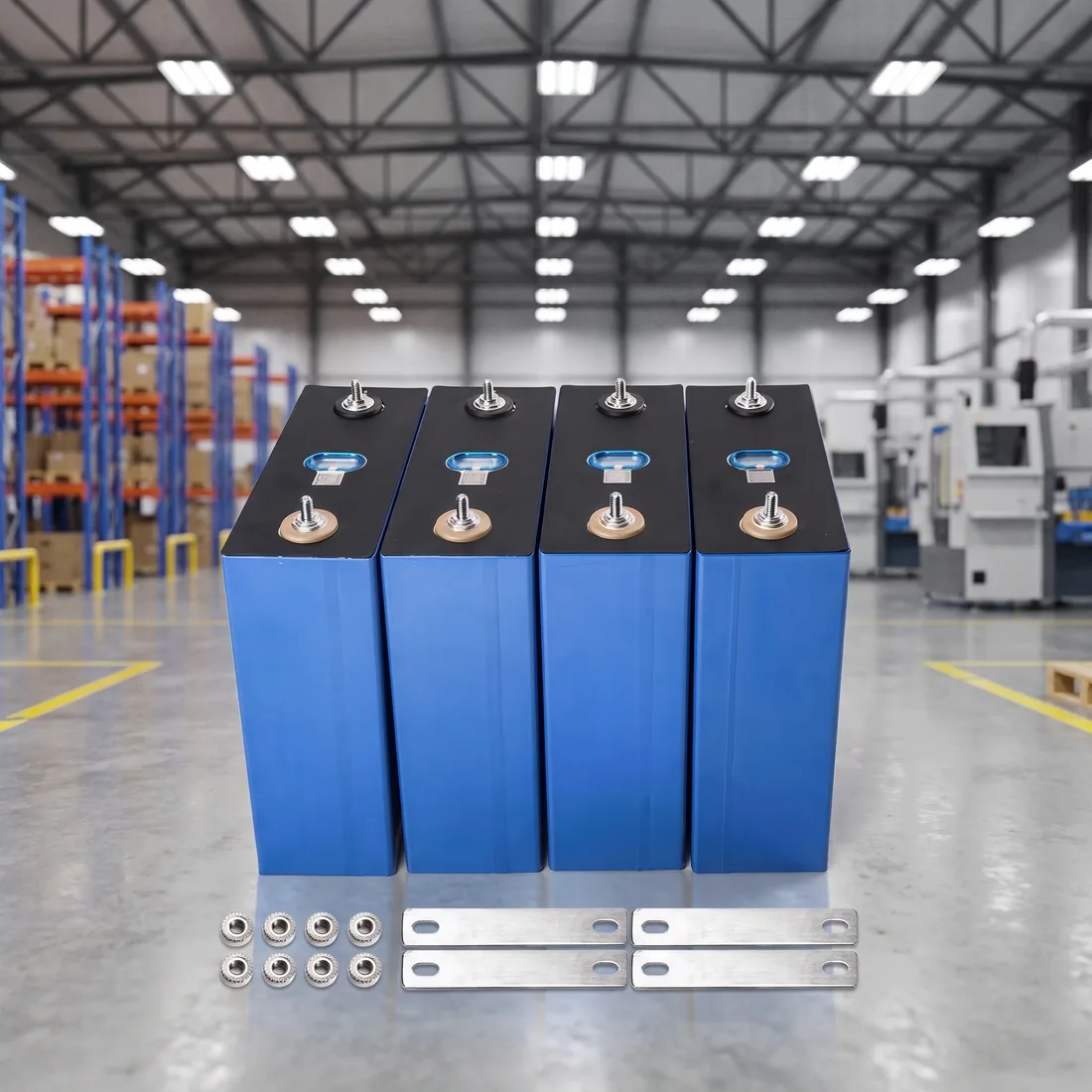
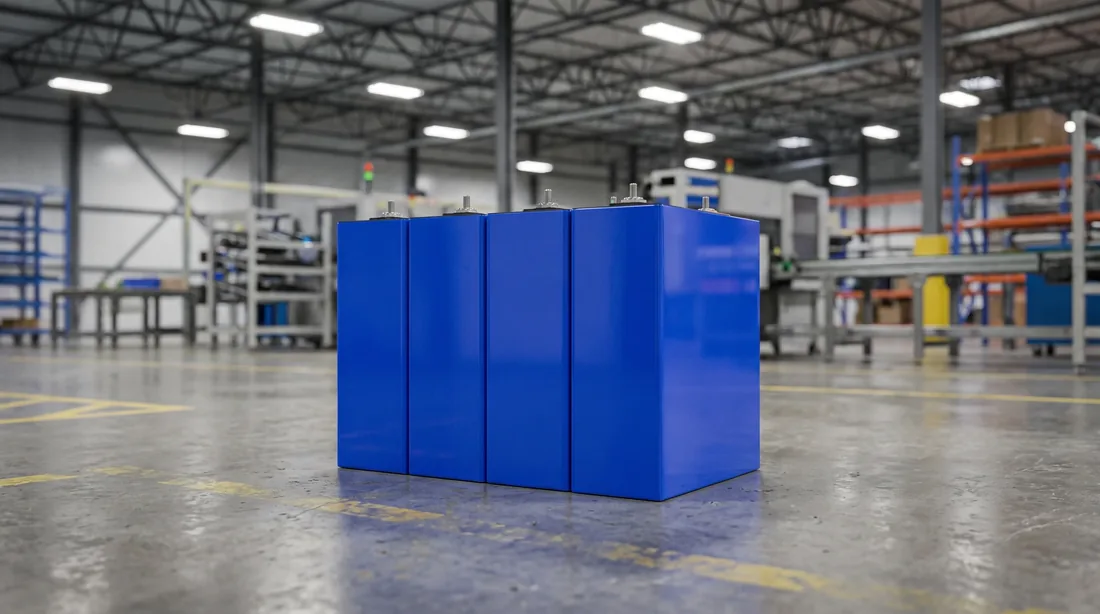
The headroom is not caution. It is the fixture, it is the compatibility envelope, and it is the fact that a rating has to hold for the largest module you will ever run rather than the blueprint one.
The blueprint module is ≤100 kg
The fixture rides with it
The compatibility envelope is wider than the blueprint
The ≤400 kg figure is the pack, and the pack is not what travels here
Read a load rating as a promise about the heaviest thing that will ever sit on it, not as a description of what usually does. That is the only reading under which the number is still true on the day your format changes.
≤20 m/min is a loss figure, not a rate figure
Takt is set by the slowest station. Conveying speed only decides how much of each cycle is spent travelling — which is exactly why a faster conveyor does not buy you PPM.
- Step 01
What sets takt
The slowest station in the segment. Every other station, and the conveyor, wait on it. Takt is published per tier on the tier selection page. - Step 02
What the conveyor decides
The time between one station releasing the part and the next one having it located. That interval is the only part of the cycle this figure touches. - Step 03
Why the ceiling sits where it does
Speed and stopping repeatability pull against each other. A carrier arriving faster brings more energy into the stop, and that energy has to go somewhere before the part can be located. - Step 04
What that means in a quotation
If a higher conveying speed is offered to you as a throughput advantage, ask which station it made faster. The answer is usually none of them.
This is the most common way a conveying specification gets oversold, and it is easy to see why: speed is the cheapest figure to raise and the one that changes the least. It is also the figure most likely to be printed in bold at the top of a datasheet, which is roughly the inverse of how much it decides.
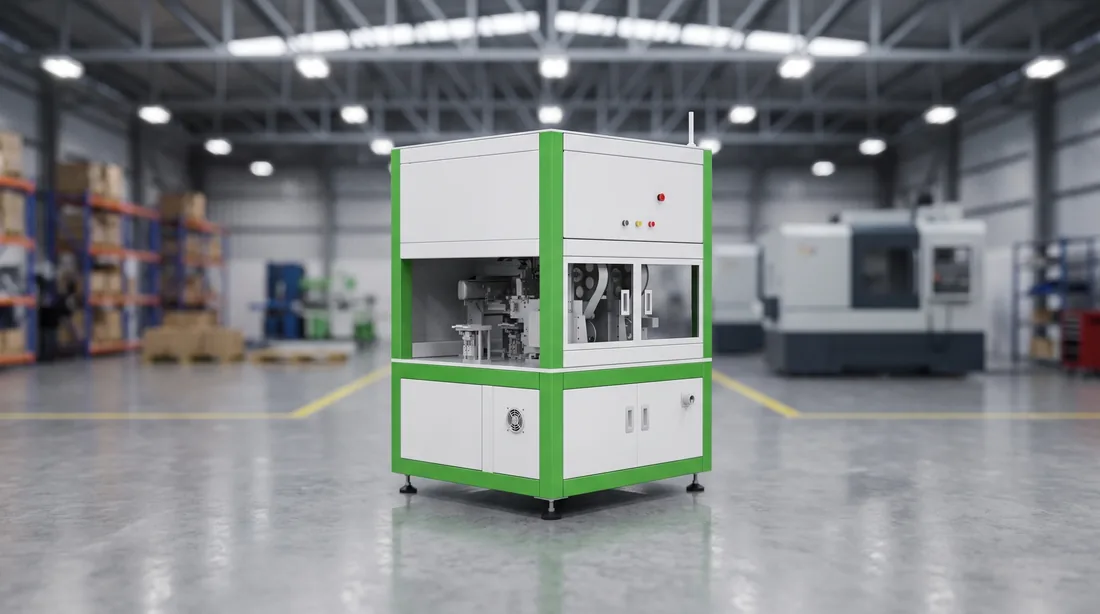
Stopping and lifting decide whether the next machine has to find the part again
This is the part of a conveying specification that the rest of the line is built on top of, so it gets the long answer rather than a table row.
- Why this one
Of everything a conveyor does, this is the only part the next machine inherits.
A station can absorb a slow line by waiting. No station can absorb a part that is not where it was told the part would be. Every accuracy figure quoted anywhere else on this line — vision addressing, weld seam position, glue path — is quoted with respect to a datum, and this is where the datum is set. - Without it
A stop is not a location, and the difference arrives as two separate errors.
A blade or cylinder arrests the carrier's travel. The part on it still has inertia: it settles slightly past the stop and can rock back against it, and it can come to rest a fraction out of square with the frame. Stopped, yes. Located, no — nothing about arresting travel constrains the angle. - What it actually is
The lift takes the part off the conveyor before anything is measured from it.
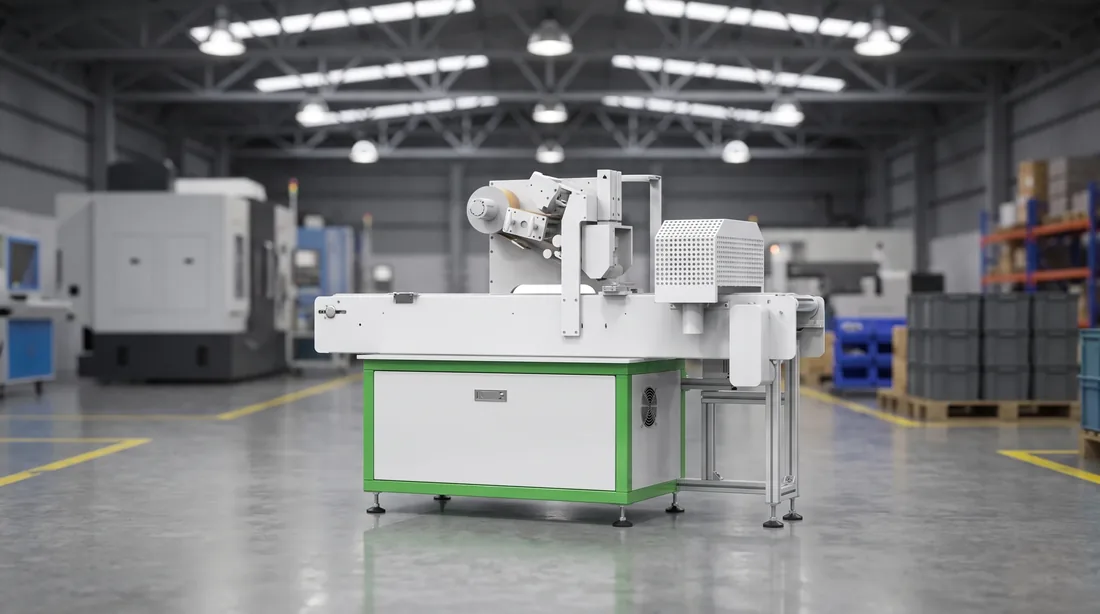
The positioning module raises the carrier clear of the line body, and locating pins take the part's position from the fixture rather than from wherever the carrier happened to halt. Precision stops being a property of the conveyor and becomes a property of the tooling. That is why the two motions are specified as a pair, and why a specification that only says “stop” has not told you what the next station receives. - What it costs
The same millimetre produces two completely different failures.
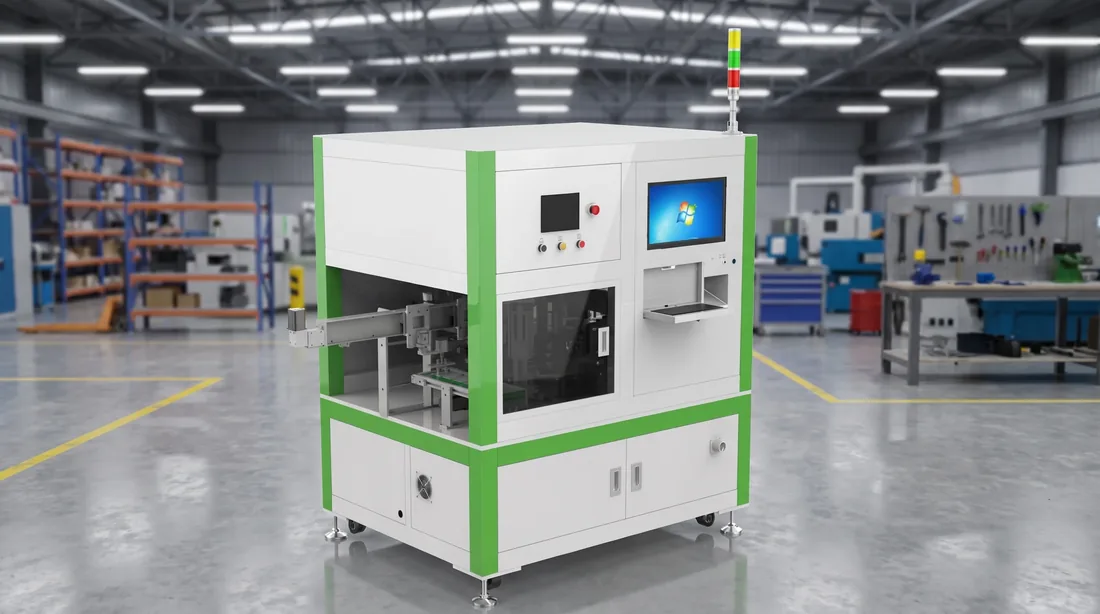
At a hand station the part gets re-found before work starts: it still gets done, the cycle quietly grows, and what you see is takt variance rather than a fault — a segment that runs to plan in the morning and behind it by the afternoon. At an automated station there is no re-finding; the part sits outside the acceptance window, the station alarms and the line stops. The automated failure is the cheaper one, because it tells you. - Why modules
Modular means the locating tooling is a part you change and the line body is not.
Positioning is built as modules along the line rather than as fixtures welded into it. What that buys you is the next section: a format change swaps tooling, not conveyor. The proof of the word “modular” is what happens at changeover — used any other way it is a description of a bracket.
The operator's side of this handover — why hand work on a moving line is repeatable at all — is argued on the pack assembly line page and is not repeated here.
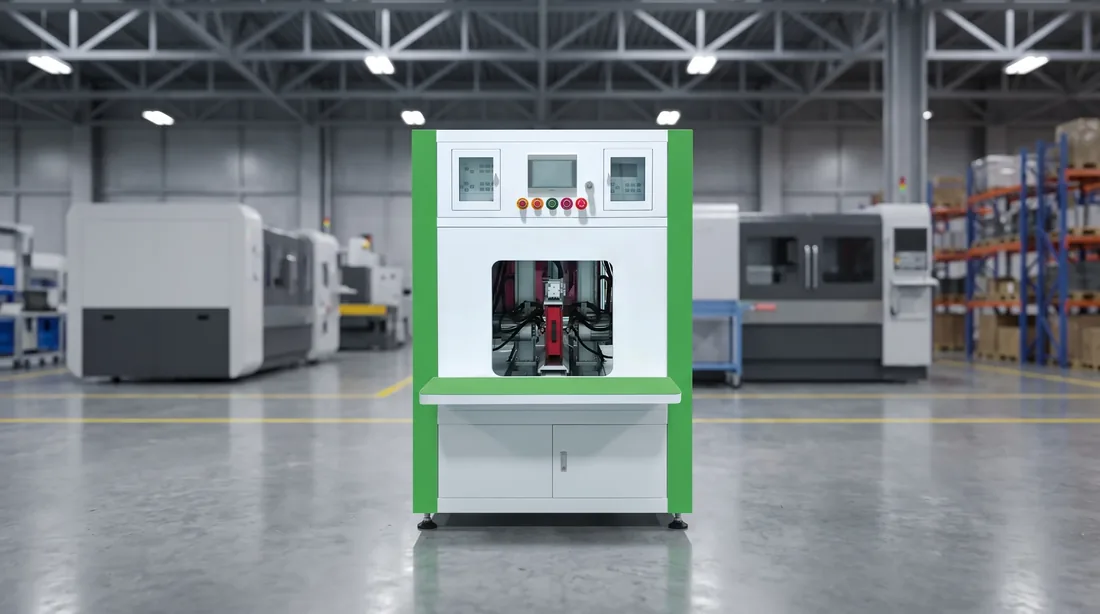 STOP
STOP Where travel is arrested
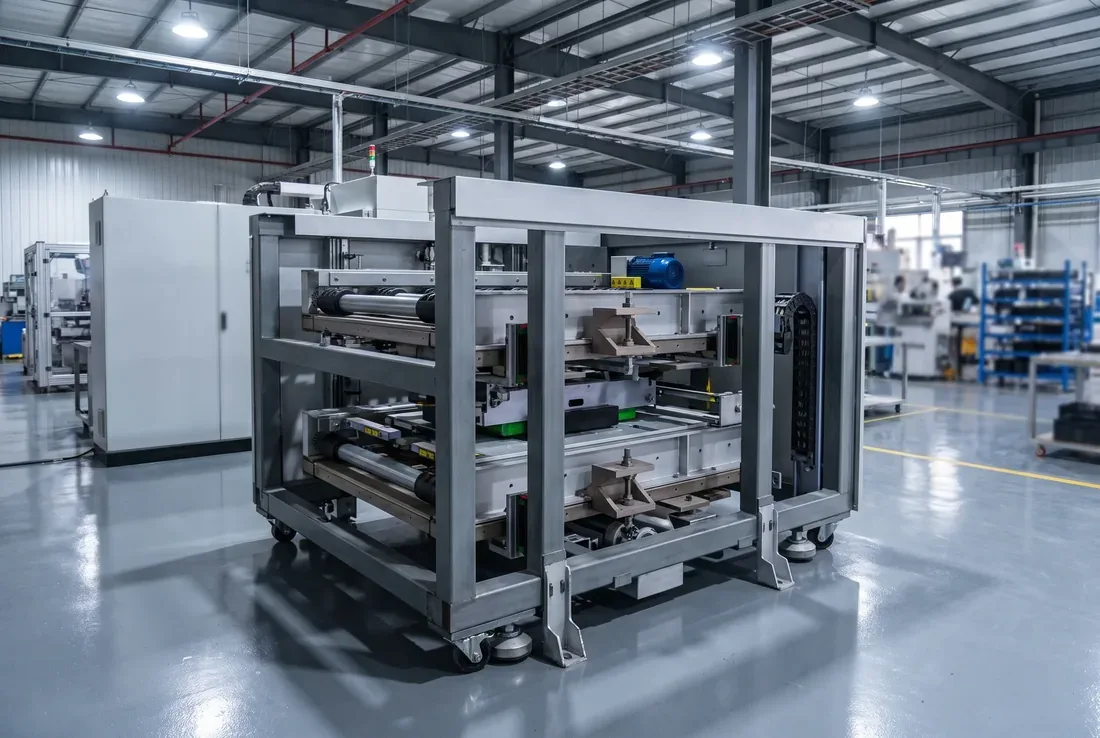 LIFT
LIFT Where position is taken over
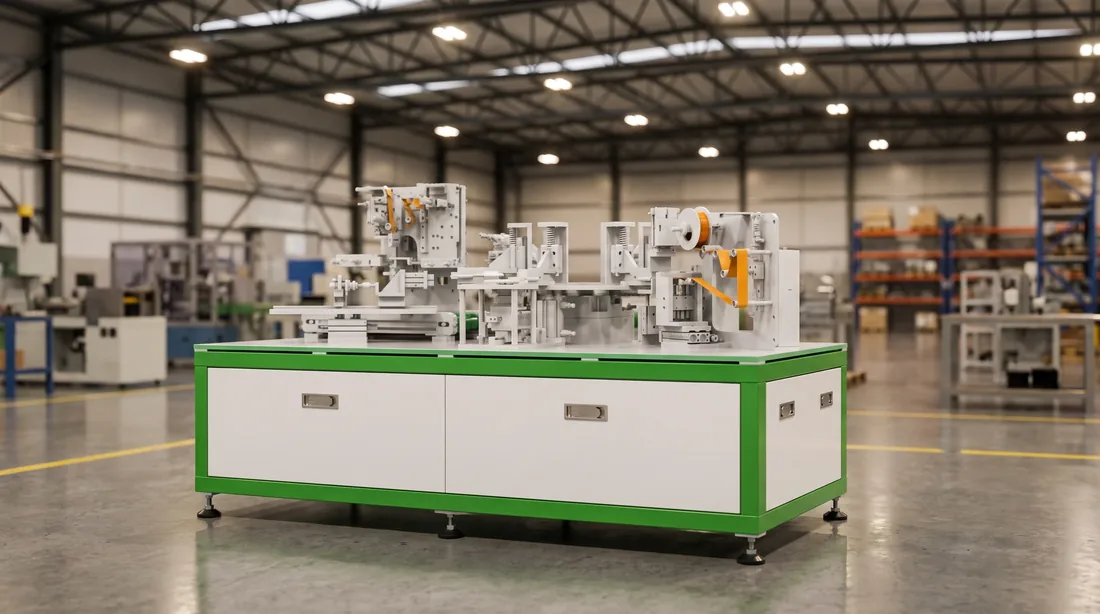 LOCATED
 Located, not merely stopped
At a format change, the tooling changes and the line body does not
This is the practical test of a modular positioning system, and it is worth putting into a quotation before anyone signs it.
The locating tooling on each positioning module — the pins and pads that take the part
What stays
The carrier fixture that holds the new module square
What stays
Station-side tooling at the stations themselves, published per station on the two segment pages
What stays
Within the compatibility envelope, a format change is a tooling change — that is our published position on customisation, and it is the same sentence wherever it appears on this site. What is worth checking in any quotation is whether the word “modular” survives contact with that question.
We do not print a changeover time here
Send the module, and the stations at either end of it
A conveying segment is specified from what stands at each end of it — the module it carries, and which of the neighbouring stations are automated. Two lines of an email is enough to start.
Reply within 24 hours / If a plain conveyor is what you need, we will say so rather than quote a line
What each kind of neighbouring station needs the conveyor to have done
A conveying specification is an agreement with the stations at both ends of it. On this line there are four kinds of agreement.
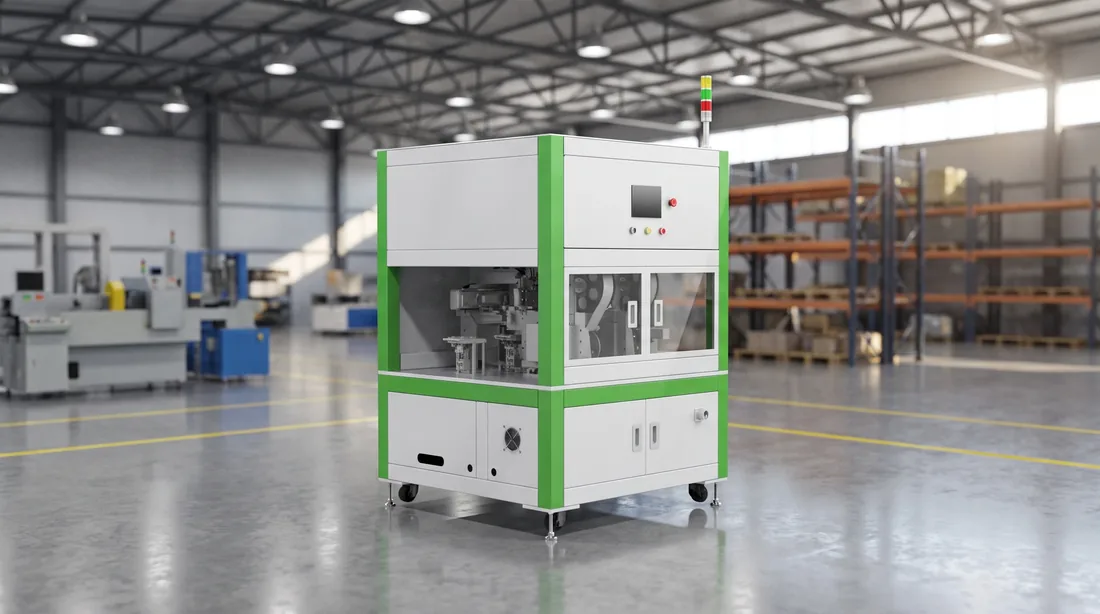 01 · VISION
 A vision station
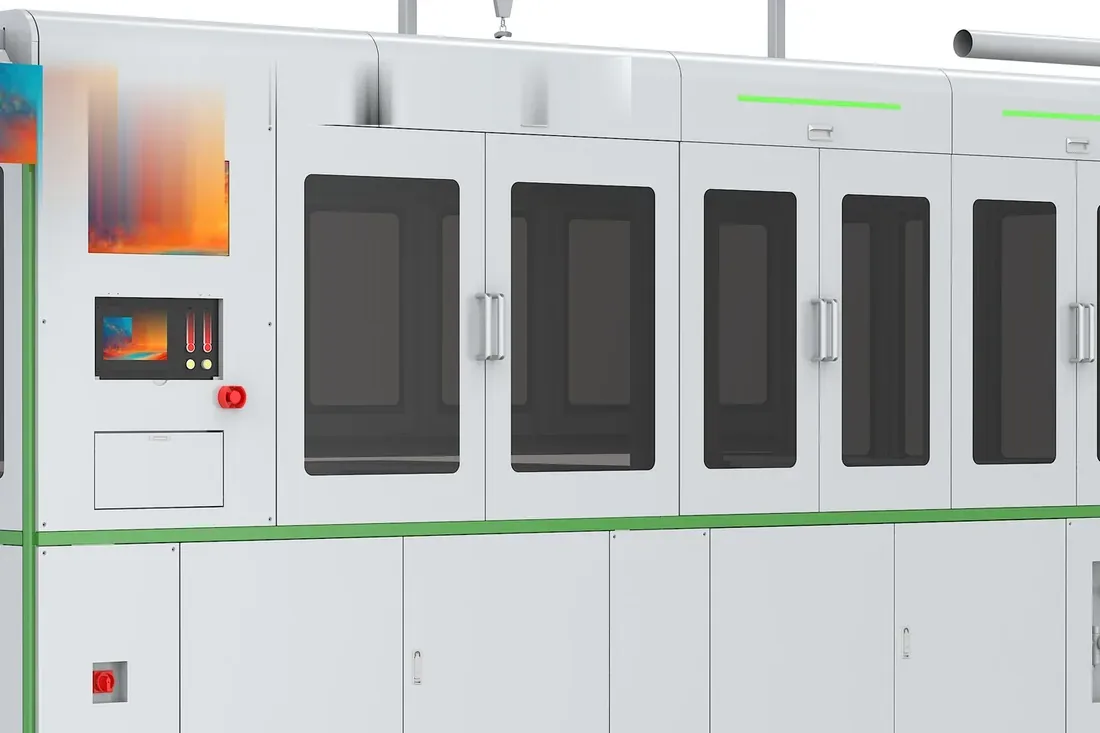 02 · LASER WELD
 A laser welding station
 03 · GLUING
 A gluing station
A hand station
Three of the four fail loudly and one fails quietly. Specify against the loud ones — the quiet one will not tell you when you got it wrong, and on a segment that is mostly hand work, the quiet one is most of the line.
Panelled on both sides, and what that costs you at the third maintenance visit
Why the panels are there is argued on the pack assembly line page. What belongs here is the other side of the trade: they stand between your maintenance team and the line body.
What being closed buys you
What being closed costs you
Everything inside the panels is behind a panel
So access is a layout decision, not a commissioning decision
Tell us your maintenance access convention
A closed line is easier to run and harder to reach. That trade is worth saying out loud, because it is the one part of this specification that only shows up after handover — and by then the layout is concrete.
Four things buyers hope a conveyor will fix, and it will not
All four come up in enquiries that start from the conveyor rather than from the line, which is the honest reason this page exists at all.
It will not raise your takt
It will not rescue a station that cannot hold its own tolerance
It will not turn a hand-built segment into an automated one
It will not specify itself
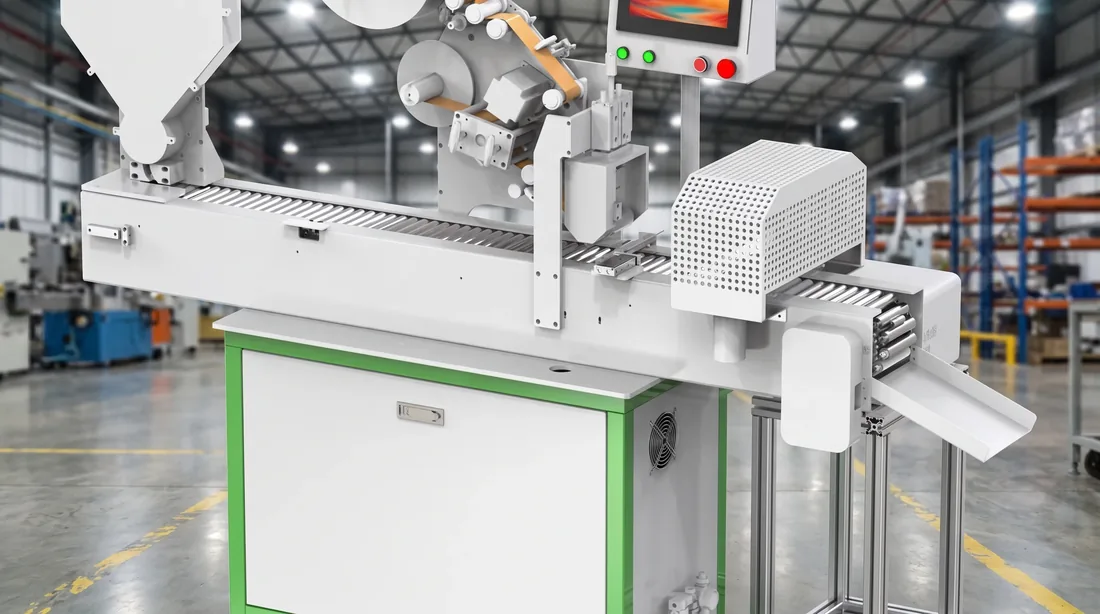
We do supply conveying and positioning as a segment retrofit rather than only as part of a whole line. But we will ask what stands at both ends of it before quoting — and where the answer is other people's stations, we will say plainly what we can and cannot be responsible for.
Four questions to ask any conveyor line item, including ours
None of them needs a drawing, and all four separate a conveying specification from a length of steel with a rating written on it.
Does it say stop, or does it say locate?
Is the load rating stated with the carrier and fixture, or without?
Is the positioning modular — and what does that word cover?
Is conveying speed presented as throughput?
Our four answers, taken from this page: locate, with the fixture, tooling only, and no. Everything above was written so that those four answers can be checked against it rather than taken on trust.
Where the stations, the thresholds and the envelope are written up
This page owns conveying and positioning, and nothing else.
- Module segment
- Pack segment
- Conveying and positioning — you are here
- Tier selection
Send the module and the two stations either side of the conveyor
That is the whole input. The rating, the stop positions and the tooling all follow from those three things.
What comes back
If the answer is that you do not need us for it