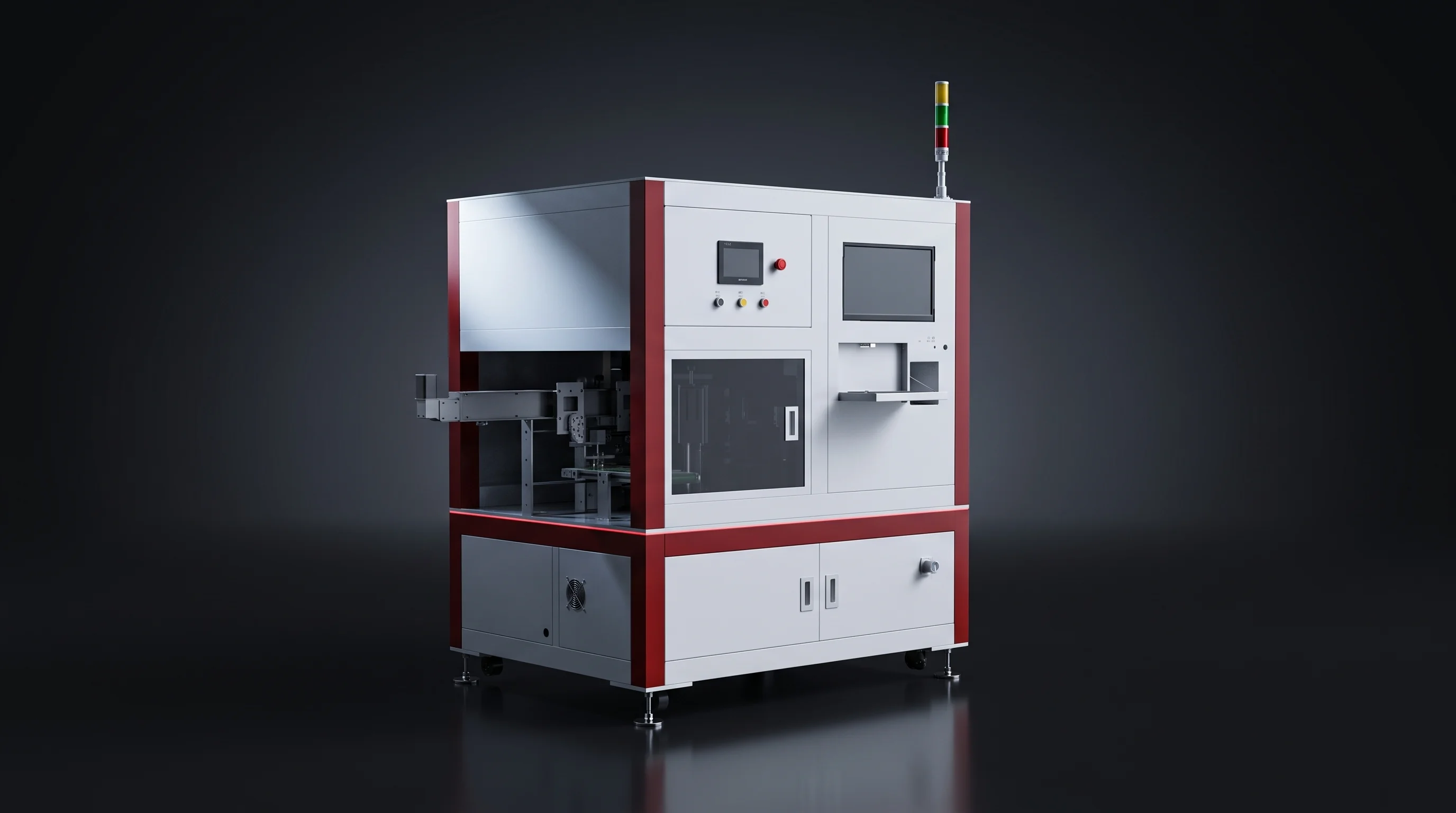
STATION 01 · BLP-ULAuto
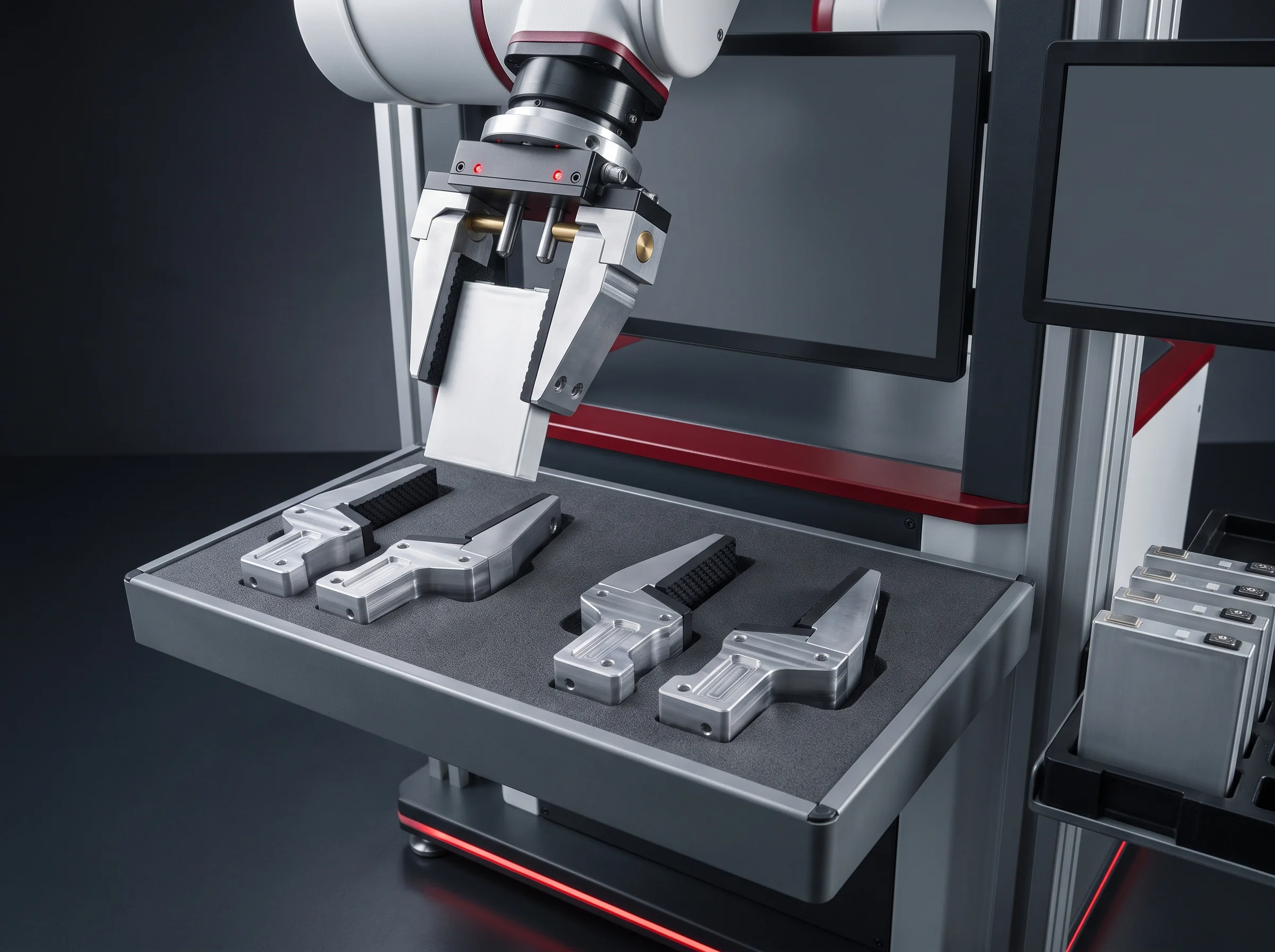
Tray unloading
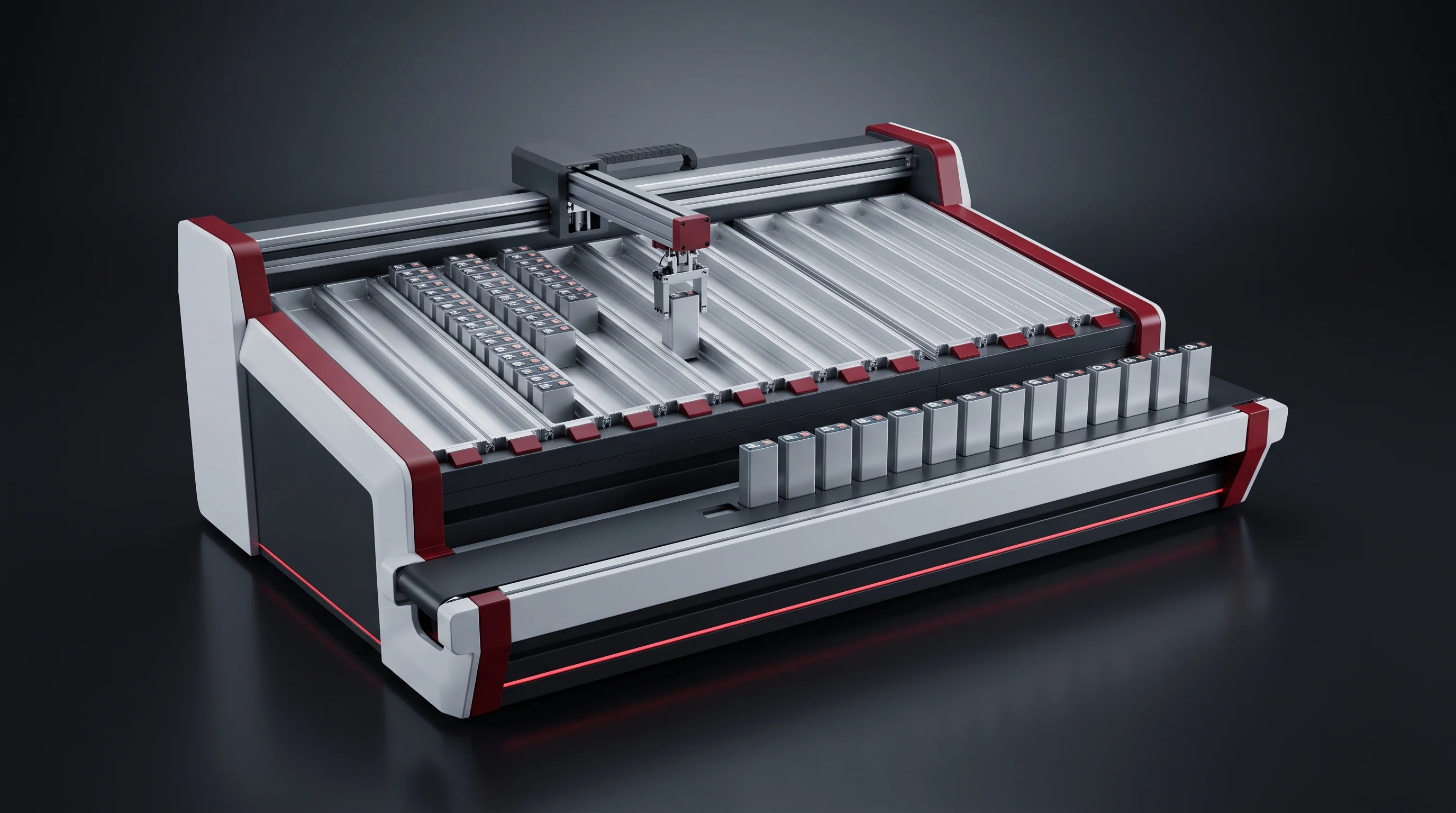
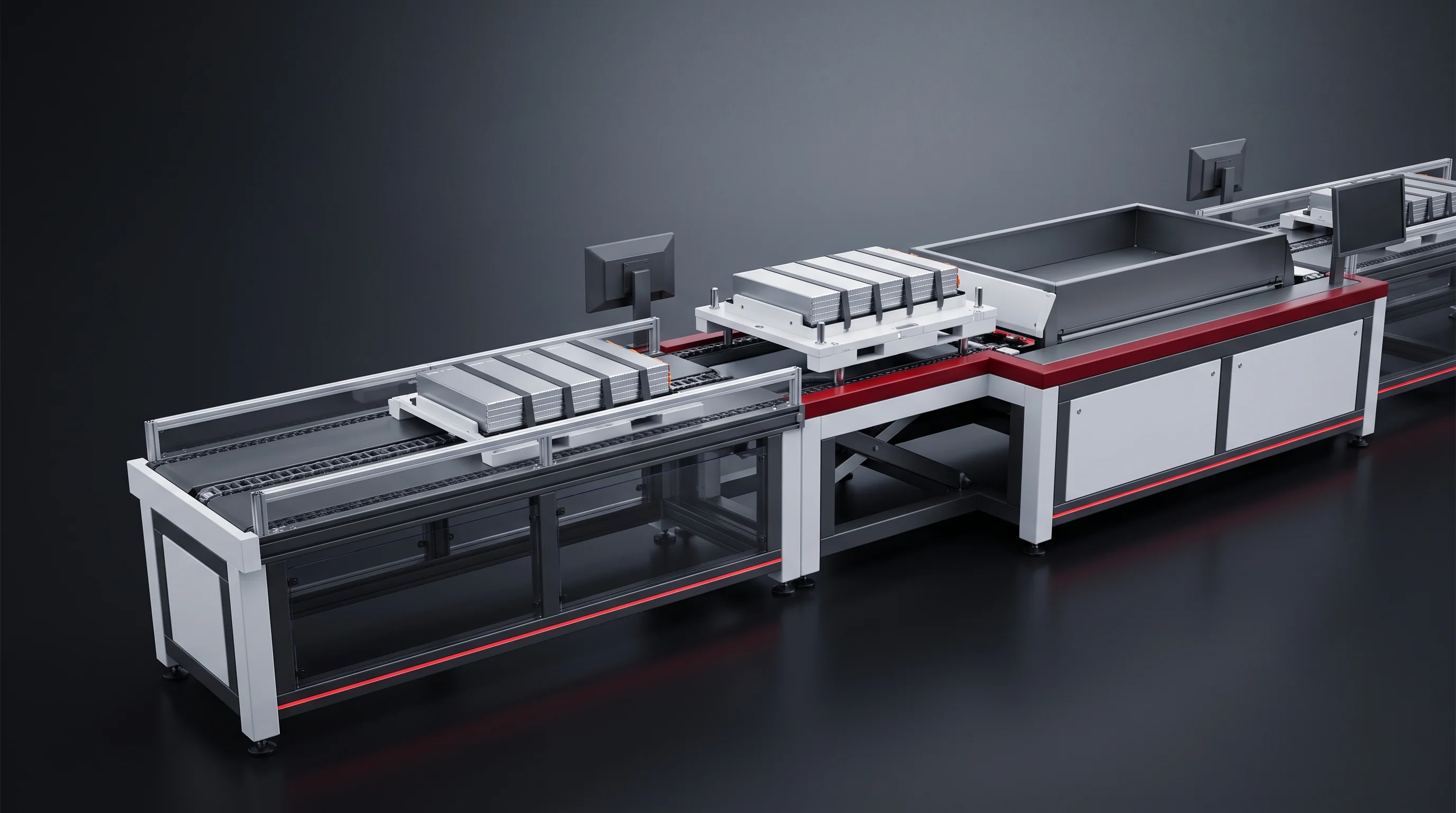
Five cells per pick, appearance and terminal orientation checked by vision as each cell leaves the tray. Empty trays stacked automatically.
BLP-UL · BLP-CS — stations 01 to 03 of seventeen
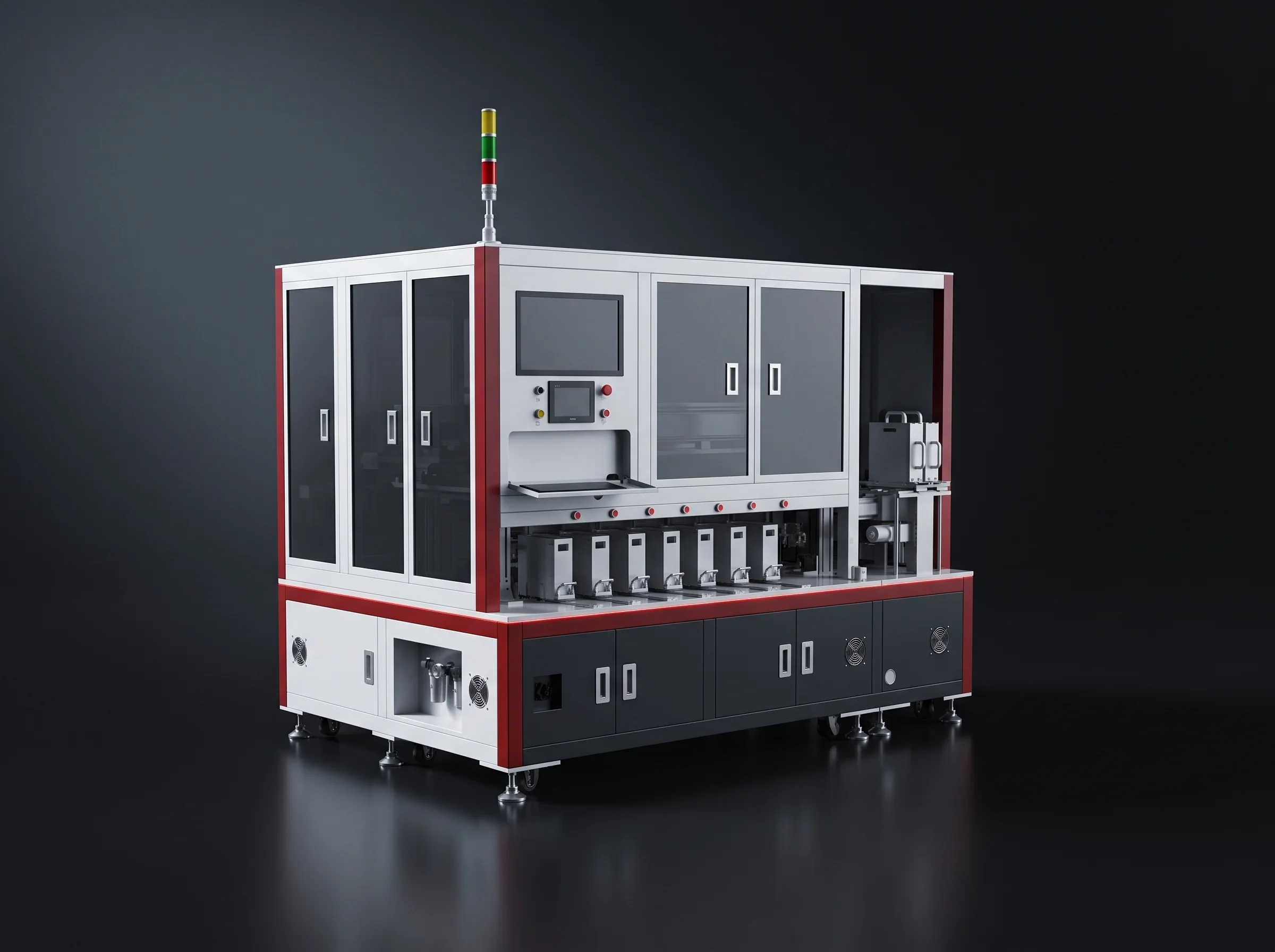
This cell testing & sorting station is BLP-UL and BLP-CS together: a six-axis robot lifts prismatic cells off the foam trays five at a time, and every cell is scanned, measured and graded on OCV and internal resistance into up to 10 bands. A cell outside your rule is removed and its place refilled, same band. Send the cell drawing and your grading rule; the station scope comes back within 24 hours.
Whether every cell entering the segment carries an identity the line can record and act on.
How precisely a cell is put down, so the next station takes the placed position as given.
What the pair is
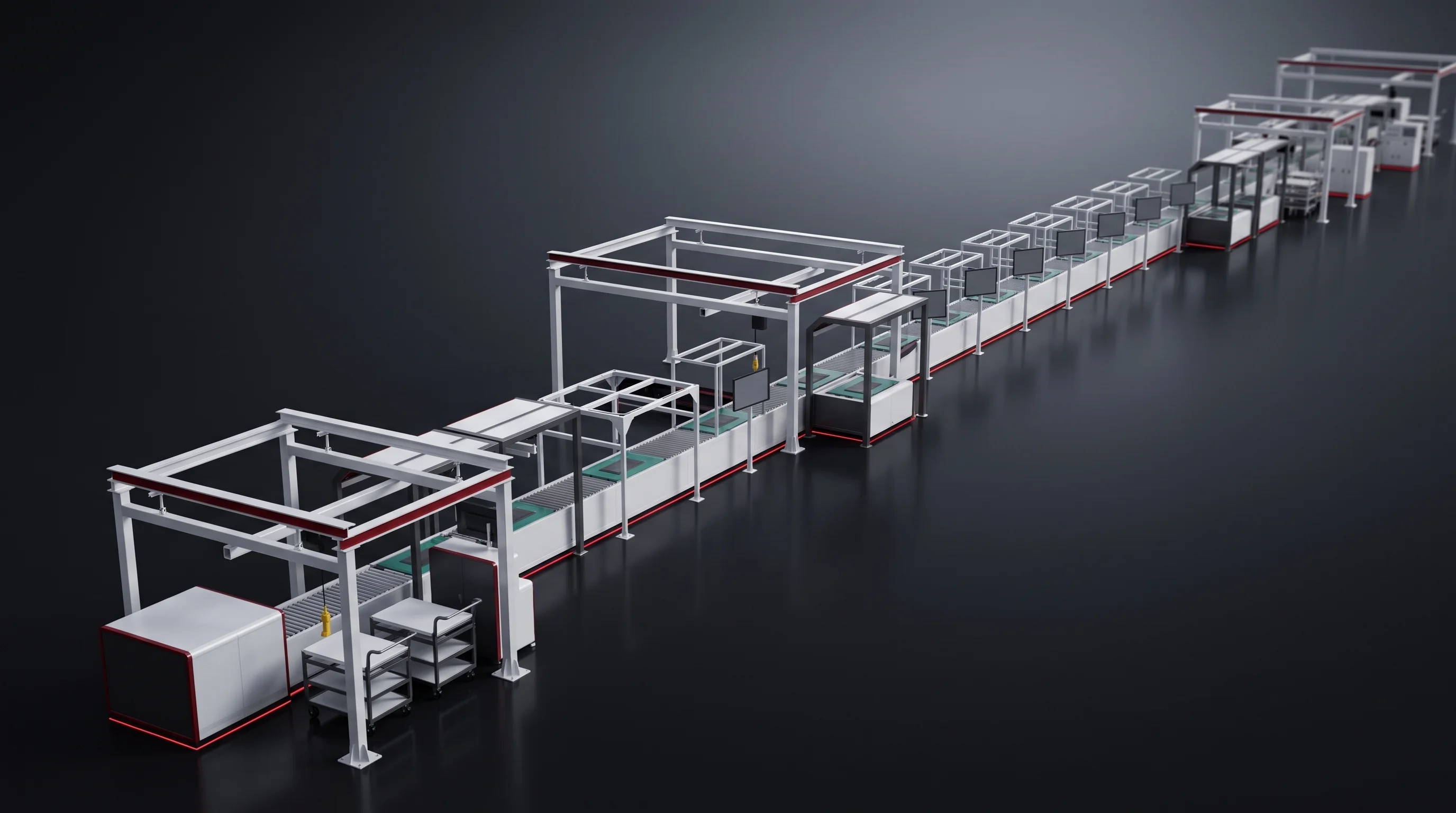
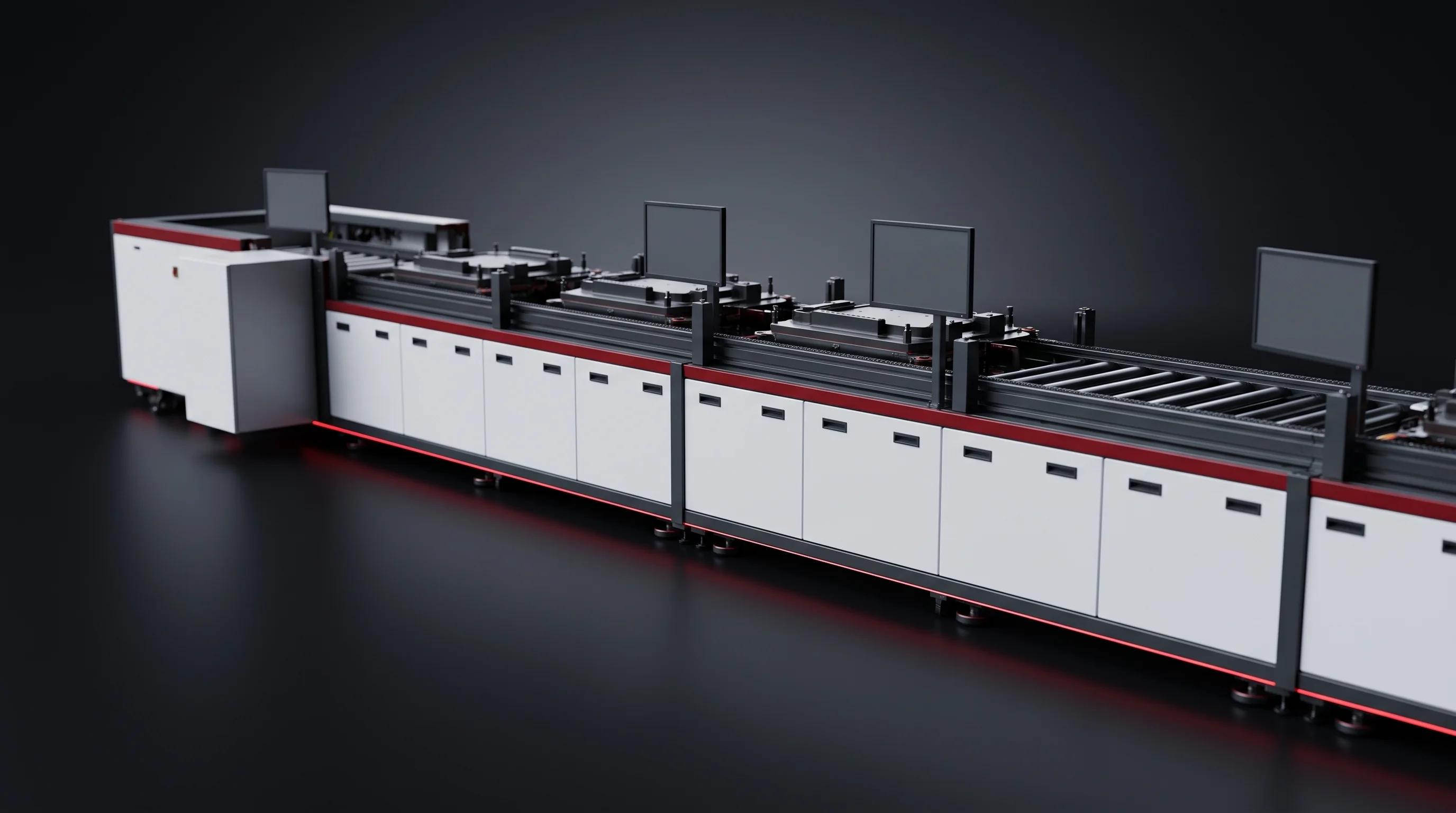
BLP-UL and BLP-CS are stations one to three of the seventeen in the module segment. The cell testing & sorting station is where an interchangeable cell becomes a member of a specific, graded set.
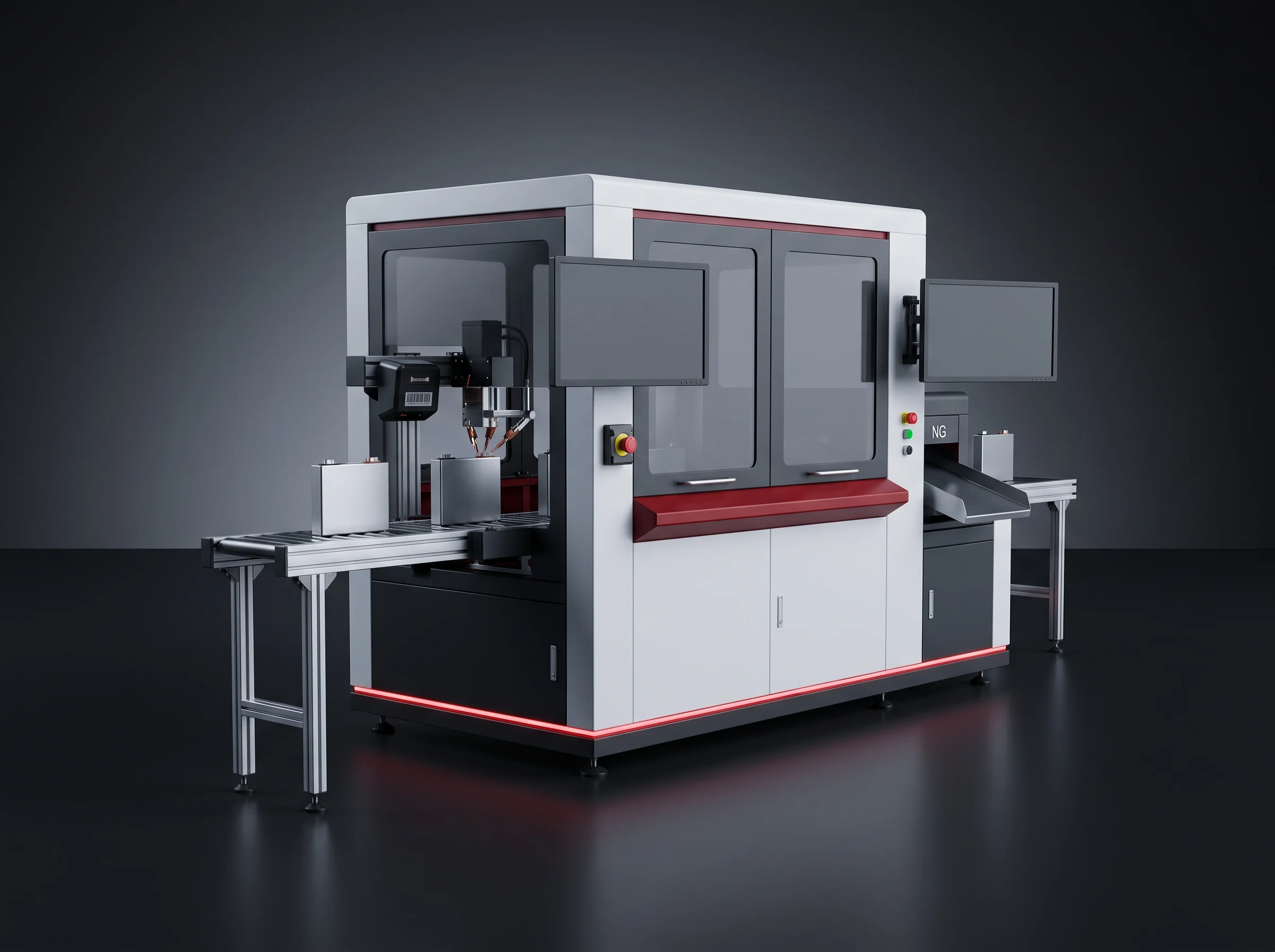
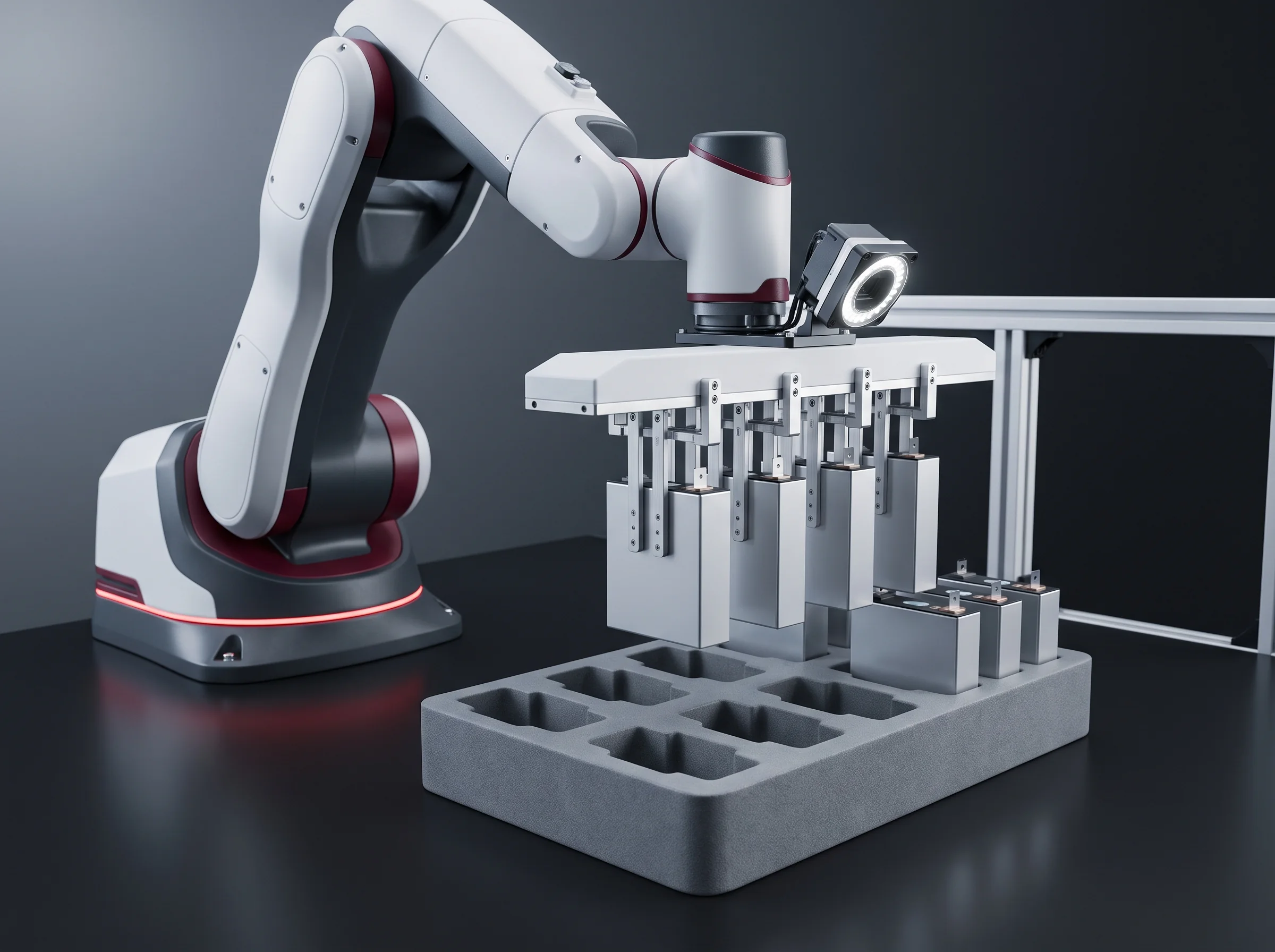
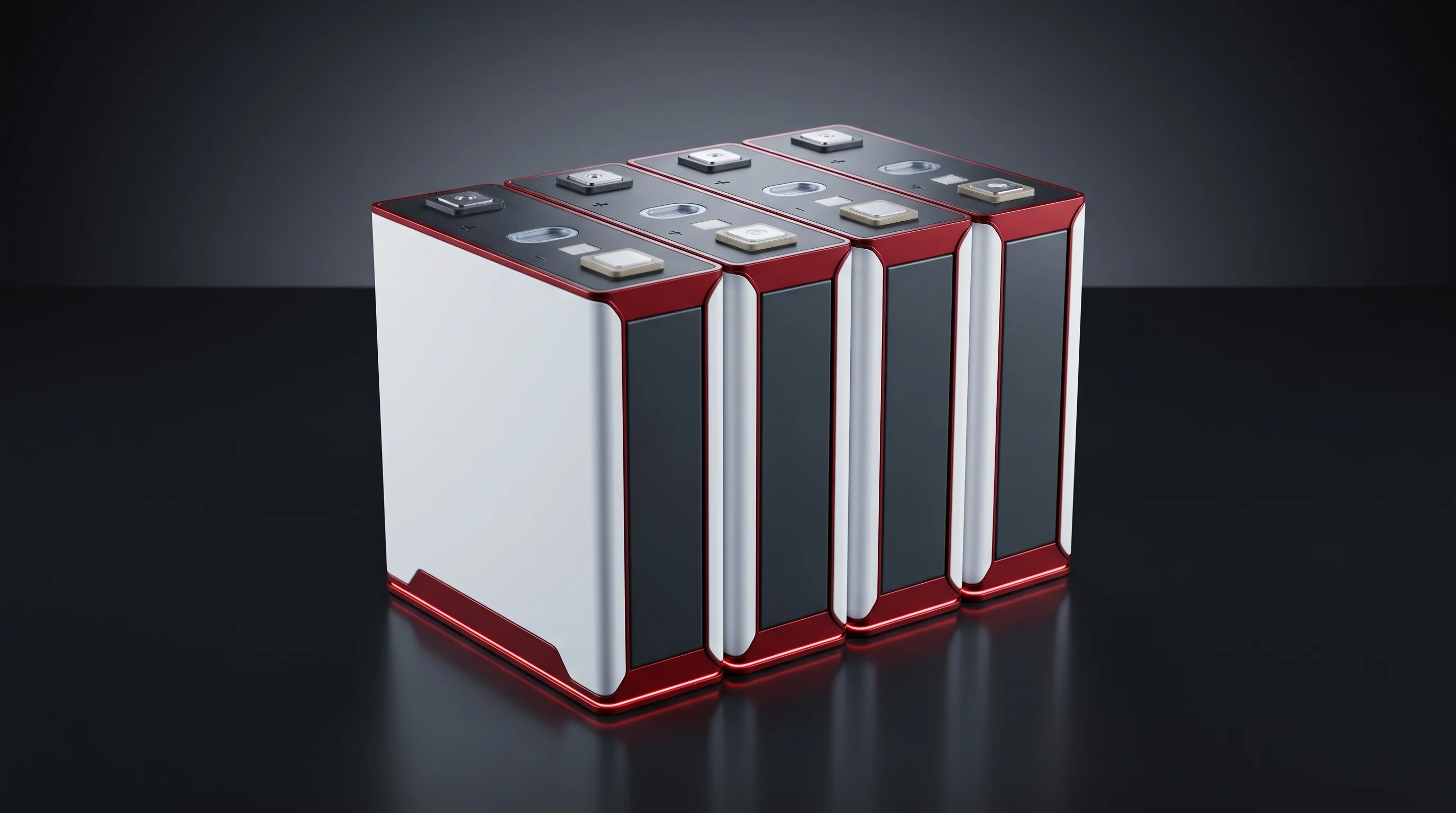
Stations one to three
On both configurations all three are labelled AUTO, and the whole cell-handling segment is staffed by four people. Every station after them works on a set whose count and grading were settled here.
Five cells per pick, appearance and terminal orientation checked by vision as each cell leaves the tray. Empty trays stacked automatically.
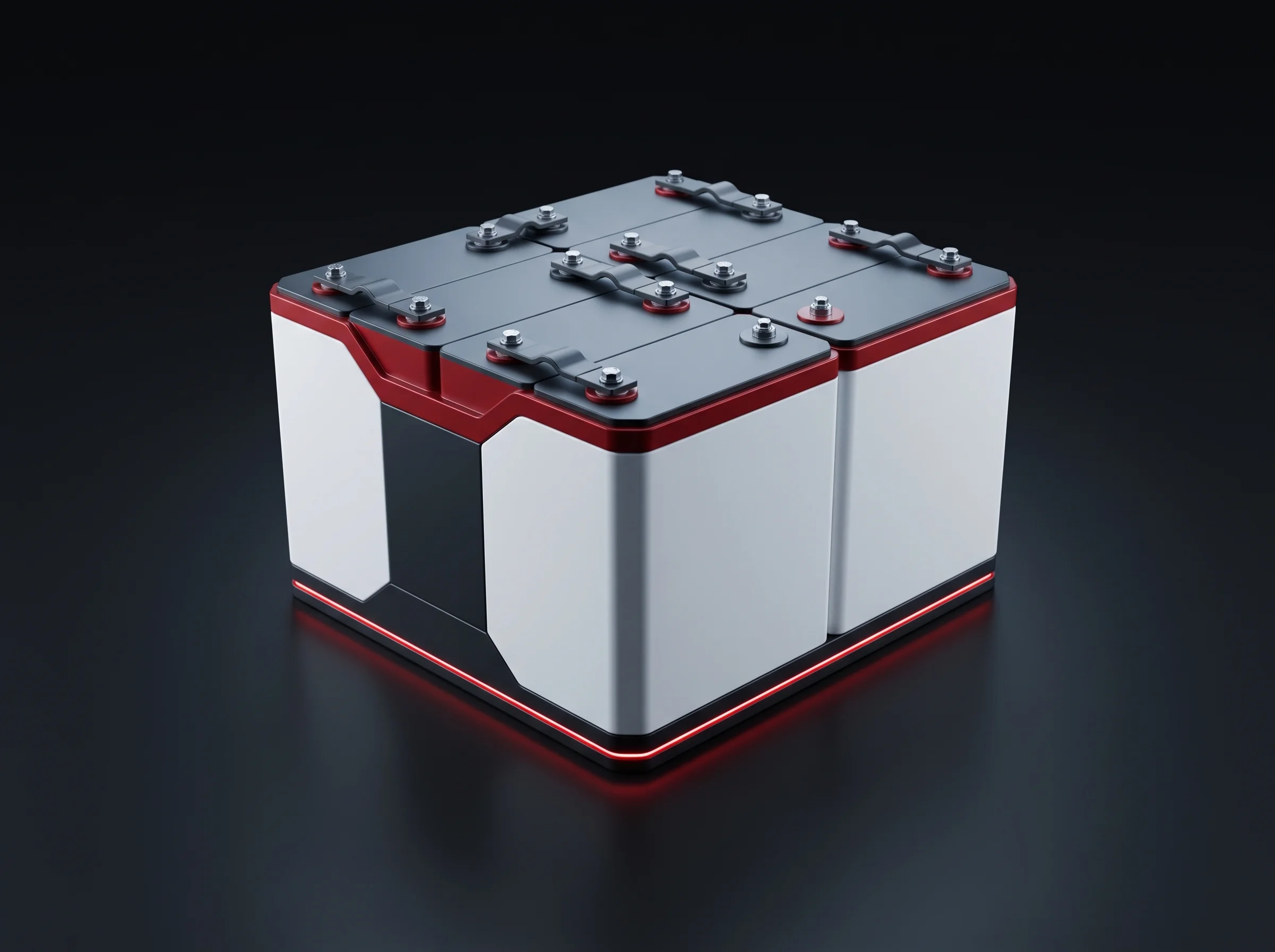
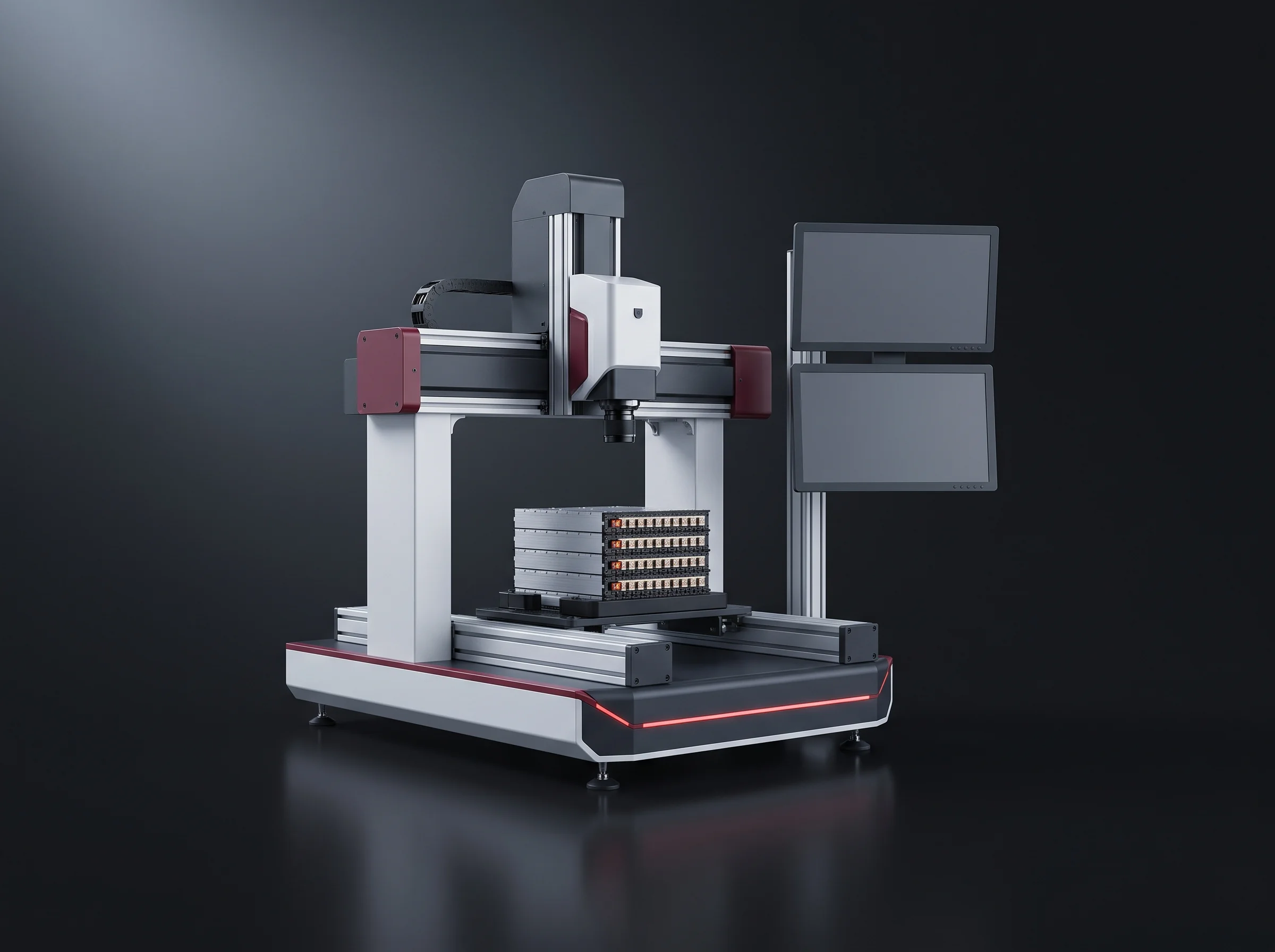
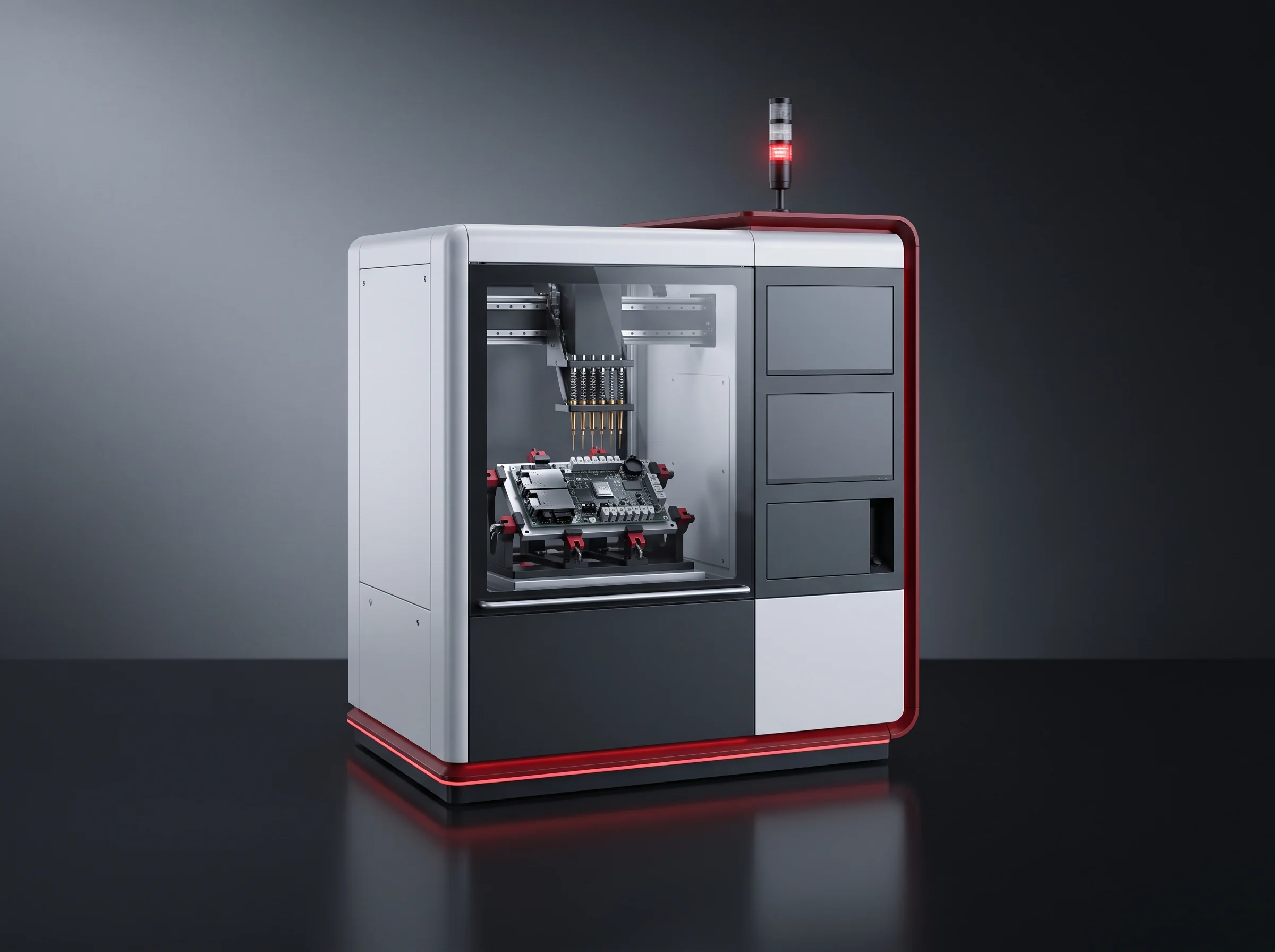
Barcode read, OCV and internal resistance measured on the same instrument, band assigned on both quantities together.
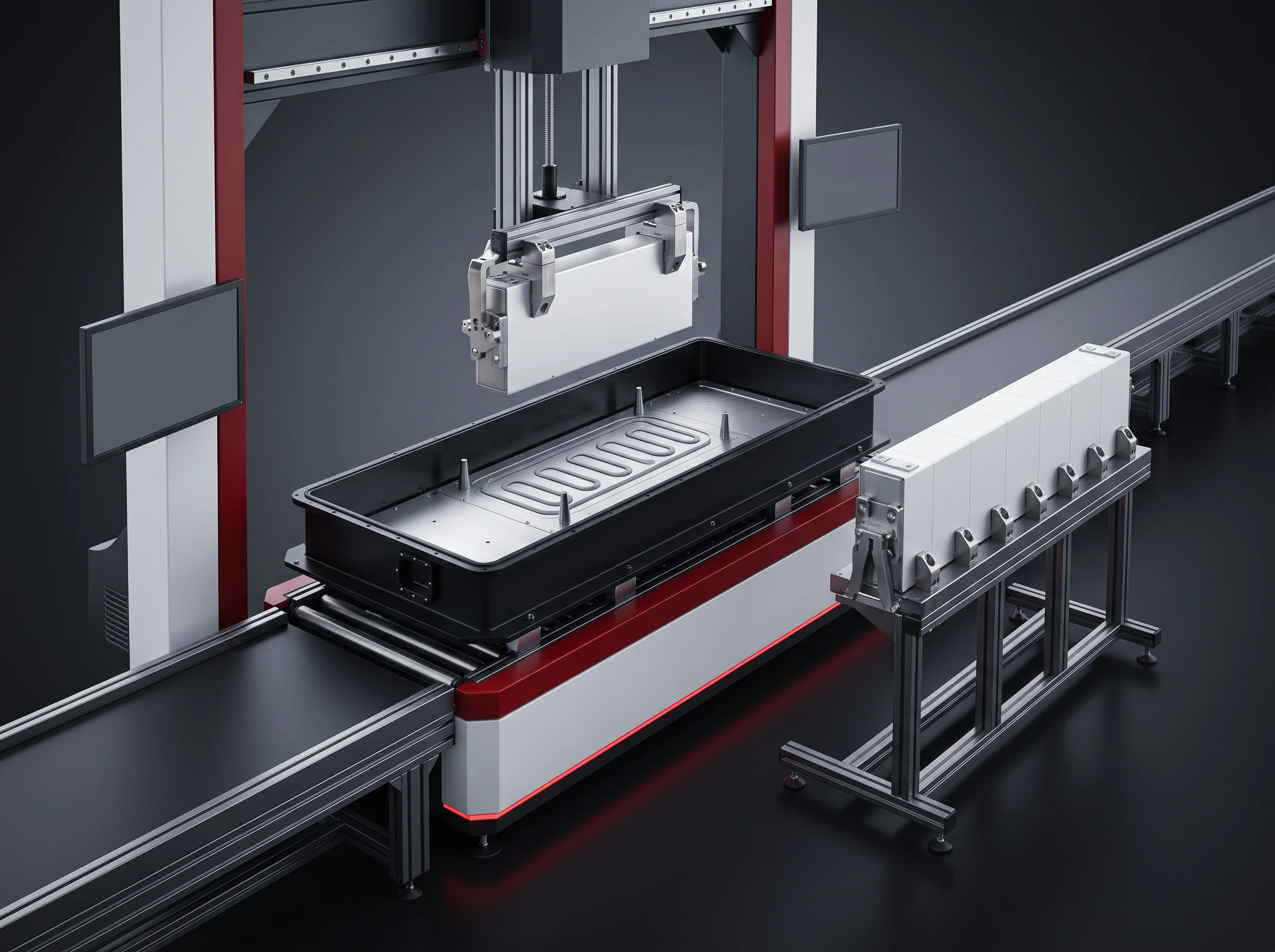
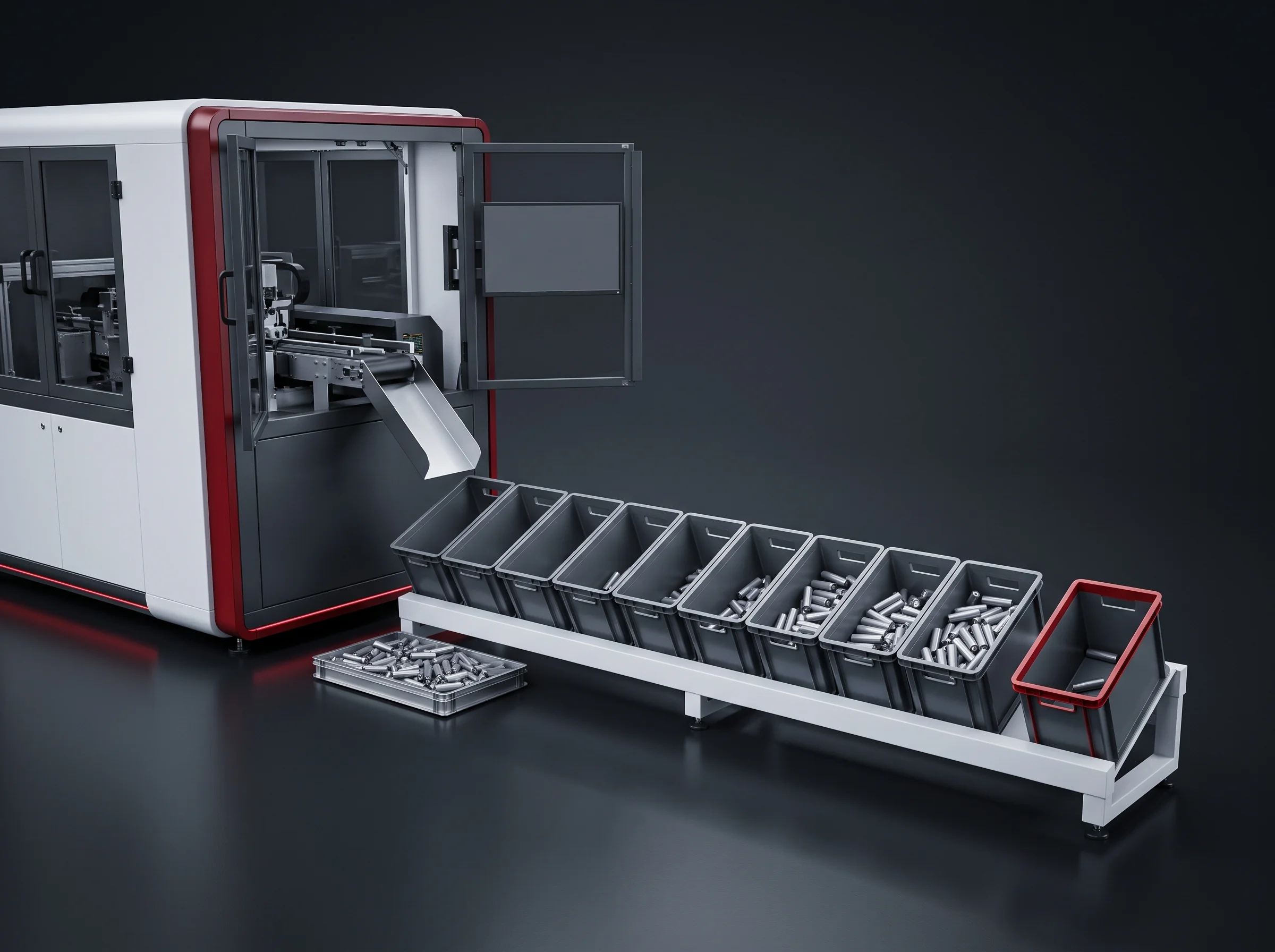
A cell outside the rule is removed; its place is refilled from a 60-cell in-line buffer, same band as the set.
Stacking cannot start a module and then wait for a cell. Pressing at the module stacking and pressing station works to a length that assumes the count is right.
Datasheet
Twelve published figures for the cell testing & sorting station, and what each one governs. Three describe measurement, and they are the ones most often read as quality promises. They are not. The rest describe reach, precision, and what the station does with what it measures.
| Figure | What it governs |
|---|---|
| BLP-UL tray unloading robot | |
| Robot payload220 kg | Headroom at the wrist for the gripper plus five prismatic cells, so the pick rate holds as the cell gets heavier. |
| Reachat least 2650 mm | The horizontal working radius served from one base: how many tray, buffer and place points are reachable without a transfer. |
| Positioning repeatability±0.06 mm | How precisely a cell is put down, which lets the next station take the placed position as given rather than re-find it. |
| Cells per pick5 | The pick that sets the feeding rate, and with it the counting point for line takt. |
| Vision at pickappearance + terminal orientation | Every cell checked as it is lifted; a wrongly oriented cell does not enter sorting. |
| Empty tray stackingautomatic, alarm at 20 layers | What the station does between one pallet and the next, and so what a person does during a shift. |
| BLP-CS scan, test, sort | |
| Scan successat least 99.9% | Incoming defects excluded. Whether every cell entering the segment carries an identity the line can record and act on. |
| Voltage accuracy±(0.01%rdg + 3dgt) | How finely two cells are told apart on OCV, which sets the narrowest voltage band you can ask for. |
| Internal resistance accuracy±(0.5%rdg + 10dgt) | The same for resistance, which separates cells that look identical on voltage. |
| BandsOCV and resistance, up to 10 | How many groups the graded stream splits into on the two measured quantities together. |
| Rejected cellsremoved, place refilledStation 03 | Refilled from a 60-cell in-line buffer, same band. The set moves on complete. |
| Automation levelAUTOBoth configurations | AUTO on the economy configuration and on the high-automation configuration. |
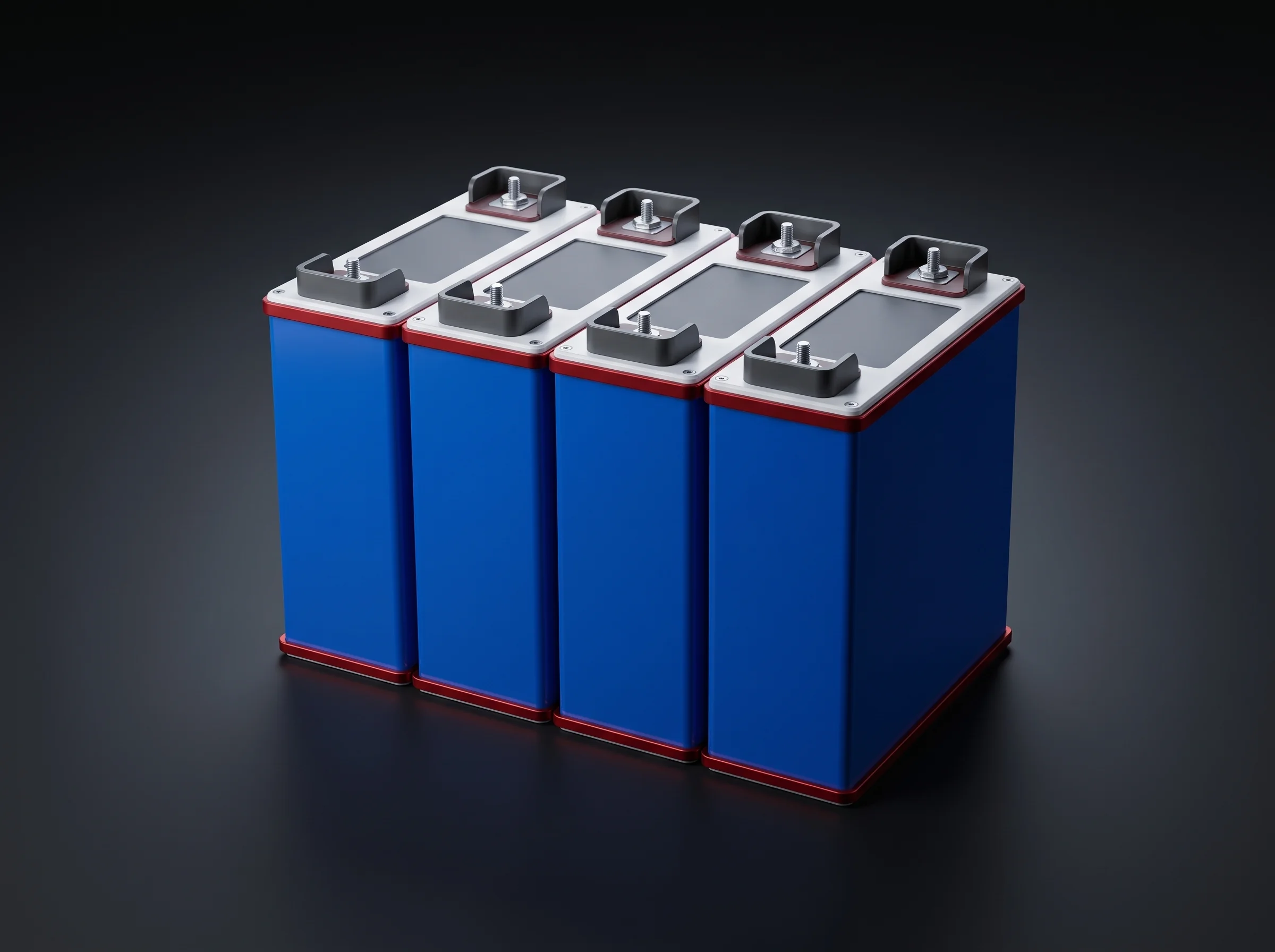
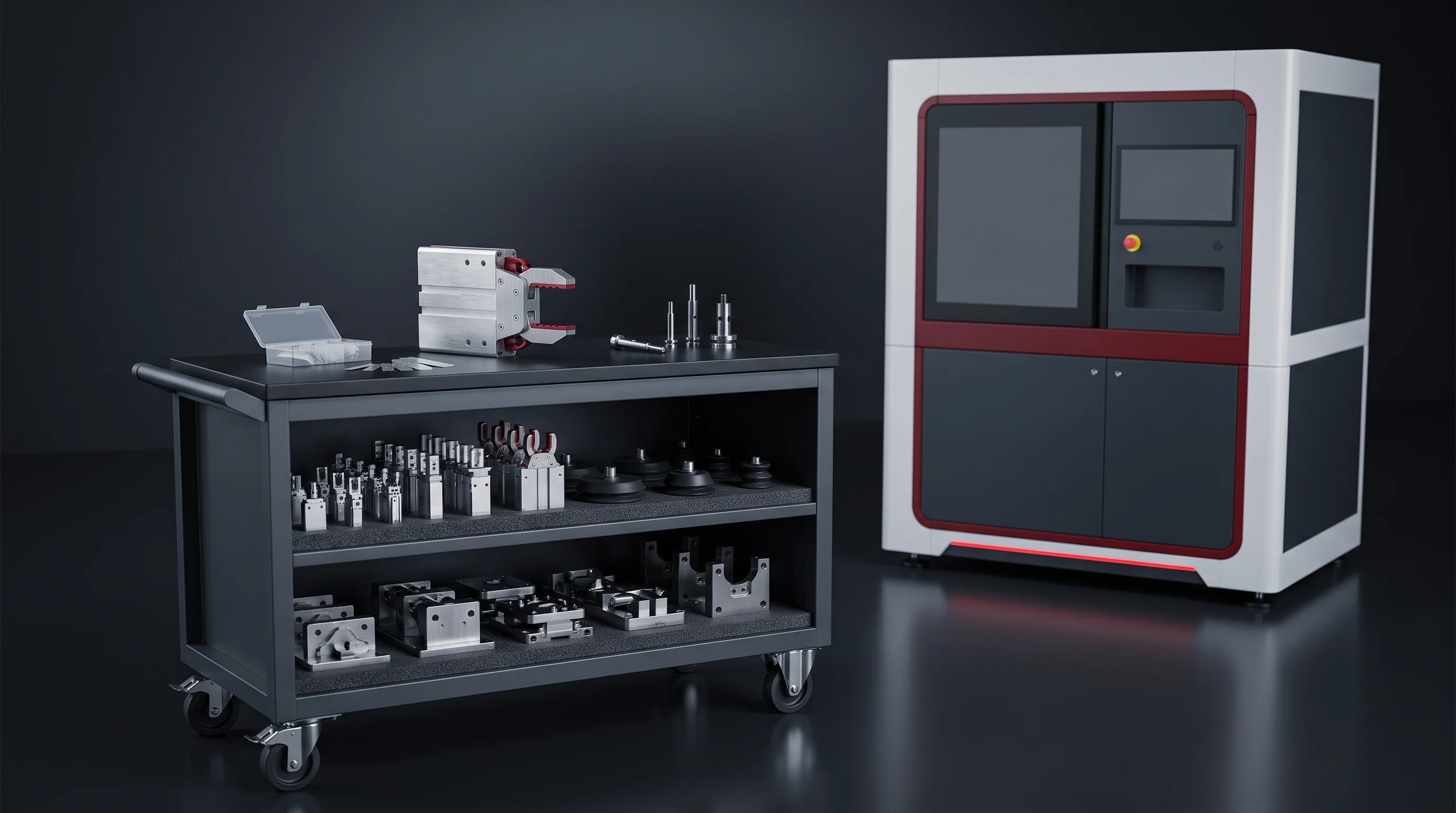
Your sorting criteria document
The band widths are not published here, because they are not ours to choose. Band width and NG condition are written into a sorting criteria document for your project and signed by both parties before the station ships.
It is written by the engineer who sets the parameters. Process defines, quality signs, and the station is set to it. It is signed alongside the acceptance criteria rather than settled during commissioning.
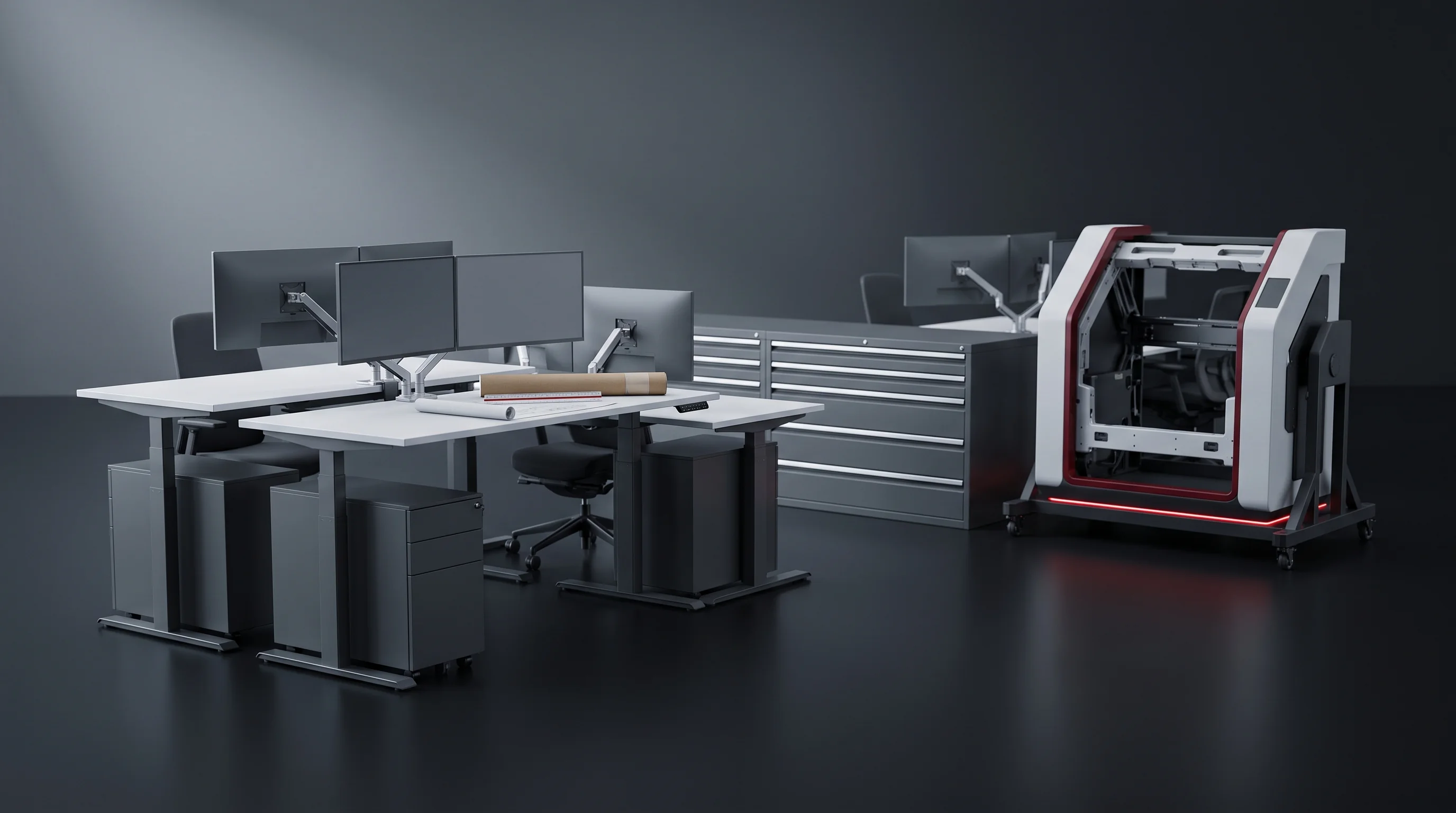
Accuracy, band width, scan rate
Instrument accuracy is written as a pair: a proportion of the reading plus a number of digits. A band narrower than the instrument can resolve is not applied, it is approximated, and boundary cells land there by noise.
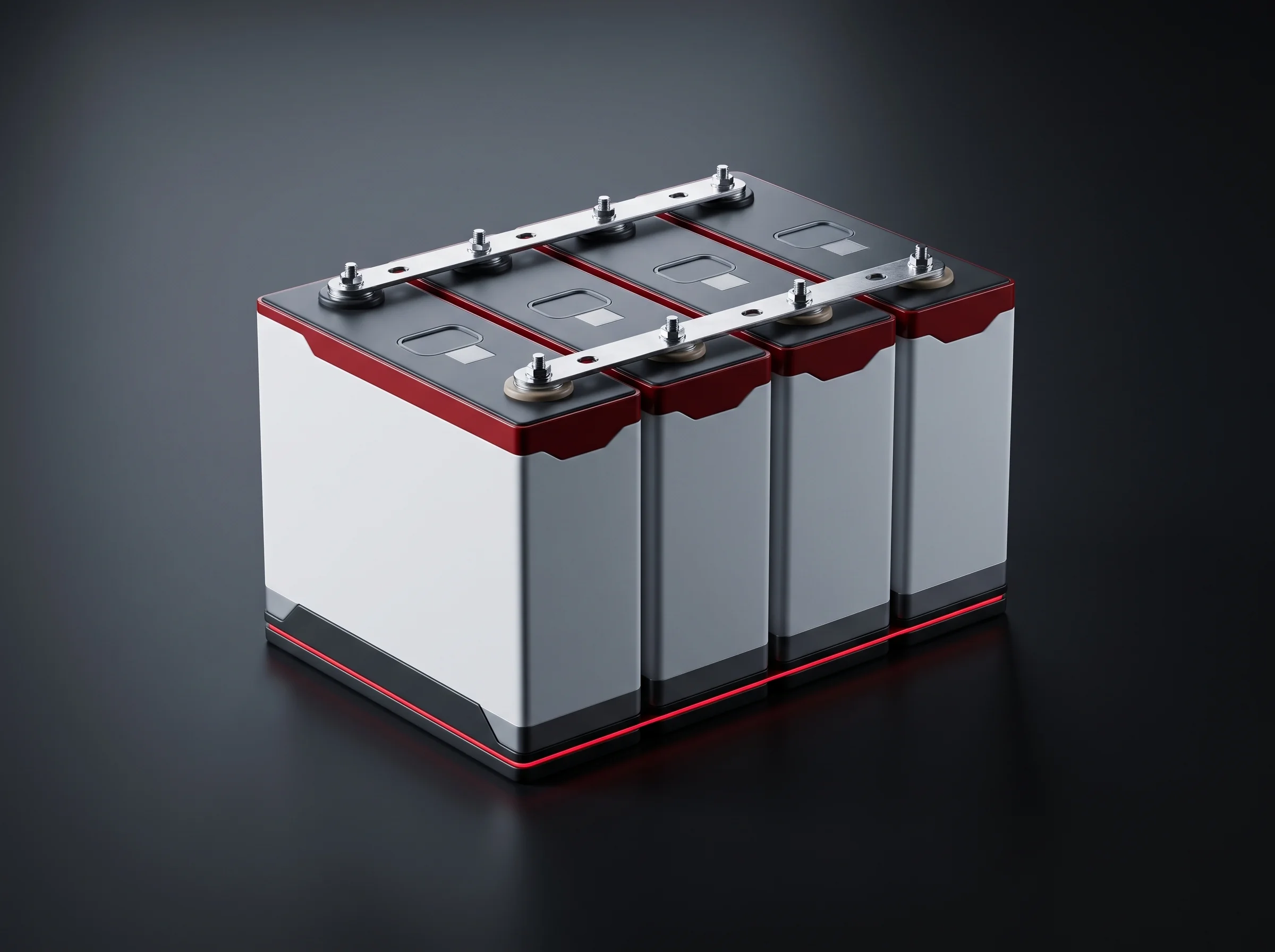
A rule finer than this is flagged before quoting, not after the line is laid out.
The second axis of the grid: ten bands run on both quantities together.
A cell can scan perfectly and still sit outside your band.
The gap a reject leaves
Rejecting a cell is the easy half. A module is a fixed count, thirteen in the 1P13S blueprint, eight to twenty-four across the stacking range. Pull one cell out and the set is one short, and short is not a state any station downstream can work with.
| What happens to the gap | What it does to the segment |
|---|---|
| Hold the set until a match arrives | Stops the segment. One reject becomes idle time at every station behind it. |
| Let the set go short | Builds a module to a count nobody approved. Pressing works to a length that assumes the count is right. |
| Fill the place by hand | Puts in a cell that never went through the instrument. Invisible here, visible three stations later on a welded module. |
| Refill from the 60-cell buffer, same band | The set moves on complete and graded, the refill written against the cell number that filled it. Nobody stops the line. |
The buffer size is what makes it work at takt: sixty graded cells in front of the removal point cover a run of rejects without the segment waiting for the next tray to supply a match.
Every set that reaches stacking has the right number of cells, every cell in it was measured on the same instrument to the same signed rule, and each refill is on record.
One cell, one number
Up to this station a cell is interchangeable. After it, the cell is a member of a specific set, and everything downstream treats it that way.
What makes that survivable a year later: the identity was read here and the measurements written against it here, not reconstructed from a batch label.
Send the cell drawing
No written rule? Say so. Running to instrument resolution and writing the rule from your own data is a legitimate route, and it is quoted that way. Write from the contact page; the reply comes inside 24 hours.
The record station fifteen reads
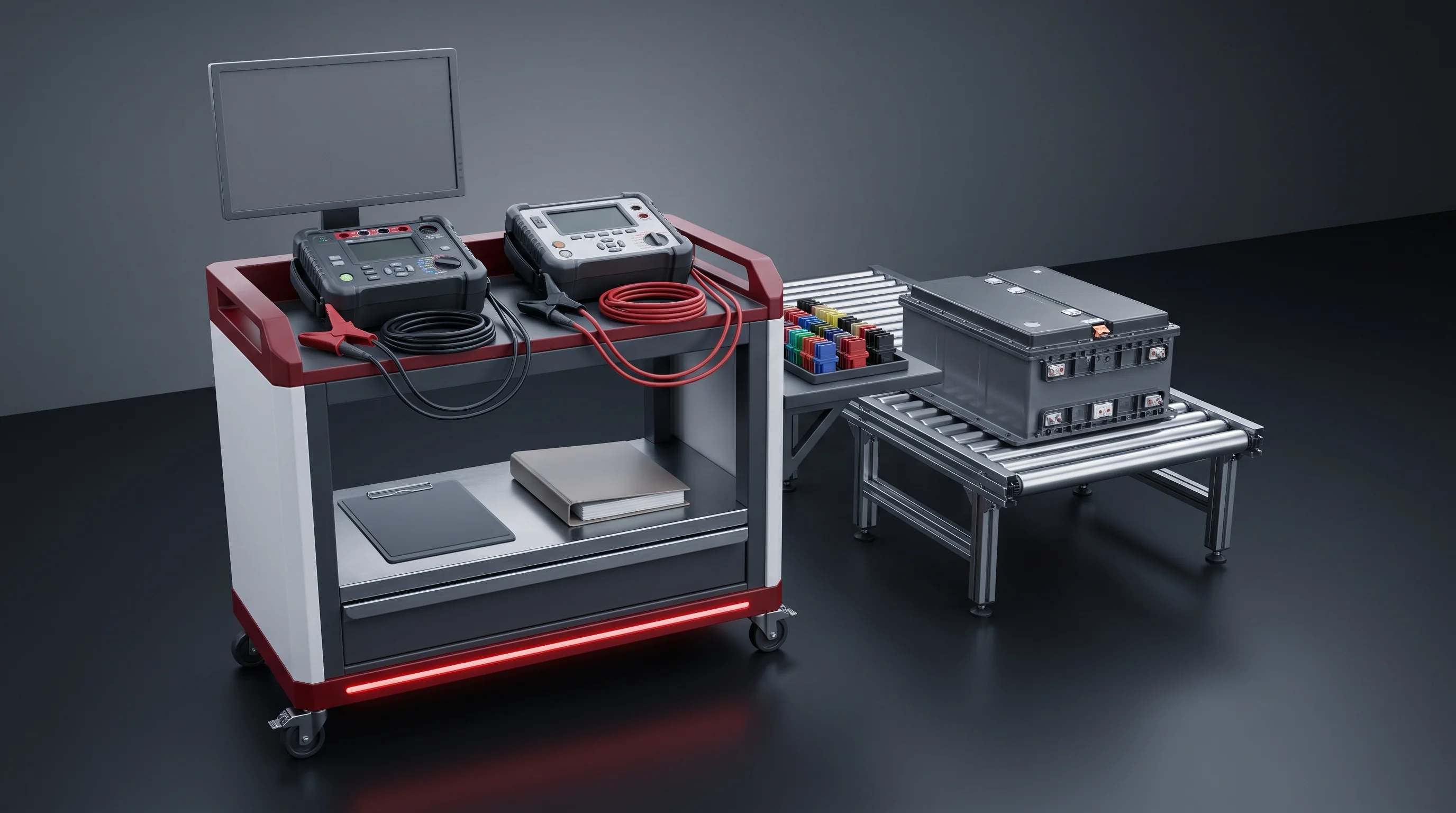
Five fields leave this station against every cell number: the barcode, the open-circuit voltage, the internal resistance, the band, and whether it was a refill. They go to your MES as the cells run, not compiled at the end of a shift.
At station 15 the CCS harness is handshaked with the BMS and each cell's voltage is read through the module's own sampling lines, then compared with what this station wrote. The criterion is 5 mV or less, signed with the acceptance criteria before the line ships.
It is also where a pack query starts a year later: the cells that went into it, the bands they were graded into, the refills marked.
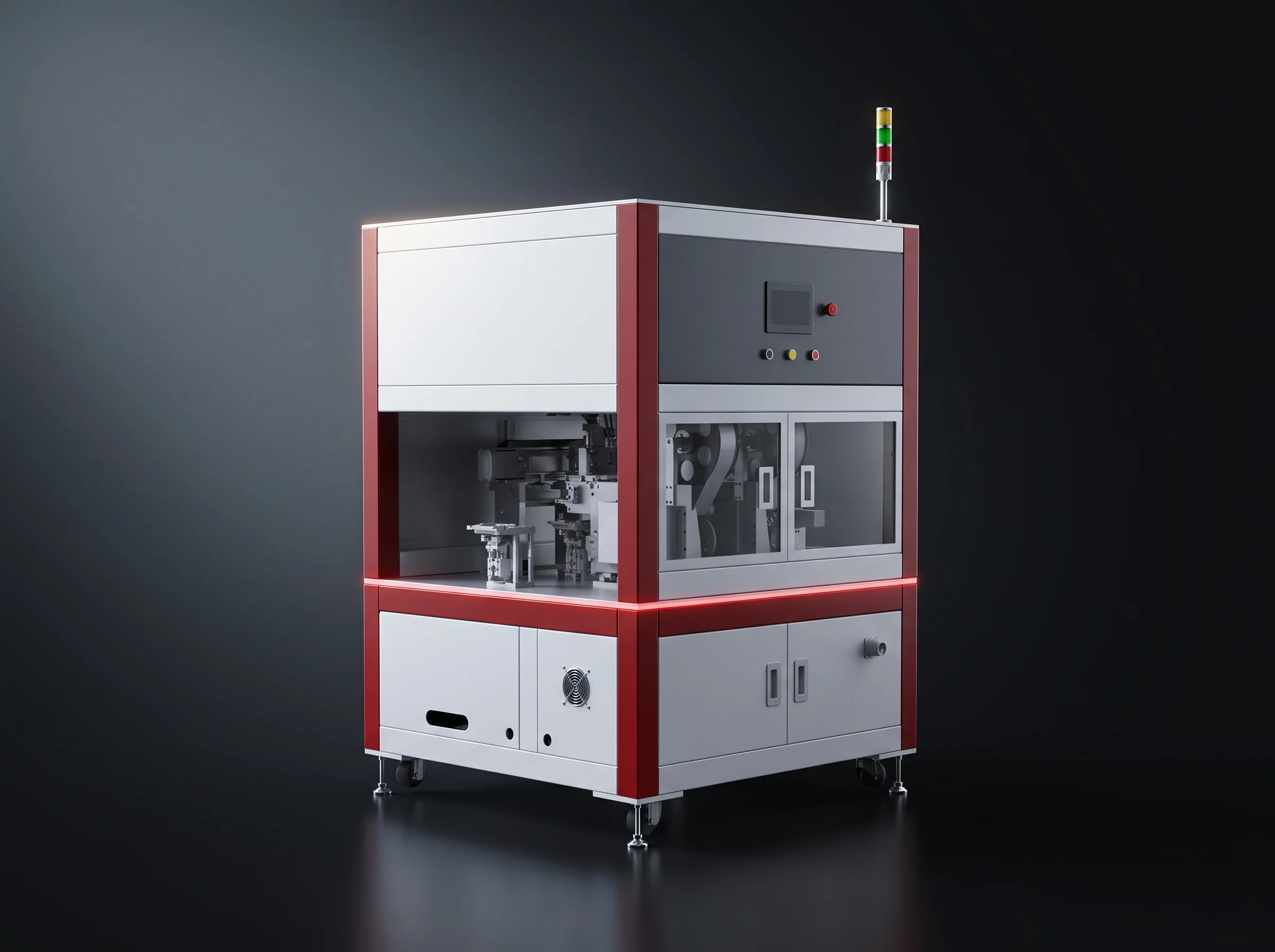
The counting point for takt
Across this site, PPM is counted at the cell testing & sorting station and means one thing: cells per minute entering the module segment. Not packs per minute, not modules per minute. The piece counted is a single cell, at BLP-UL.
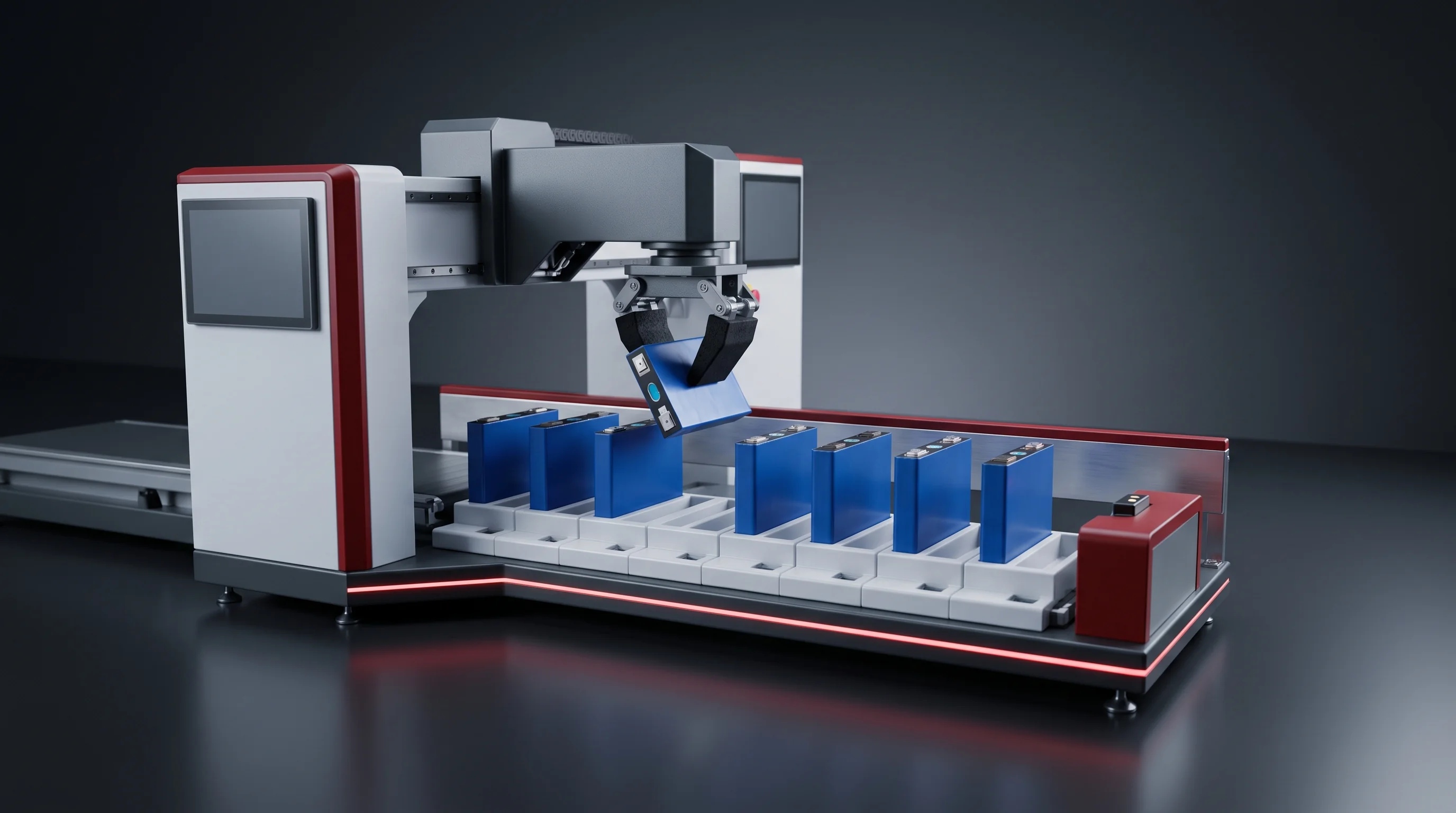
Terminal orientation and empty trays
Vision at the pick checks two things on every cell: appearance, and which way the terminals face. Emptied foam trays are stacked automatically, alarm at 20 layers. Neither reads like a headline; both decide how the segment is manned.
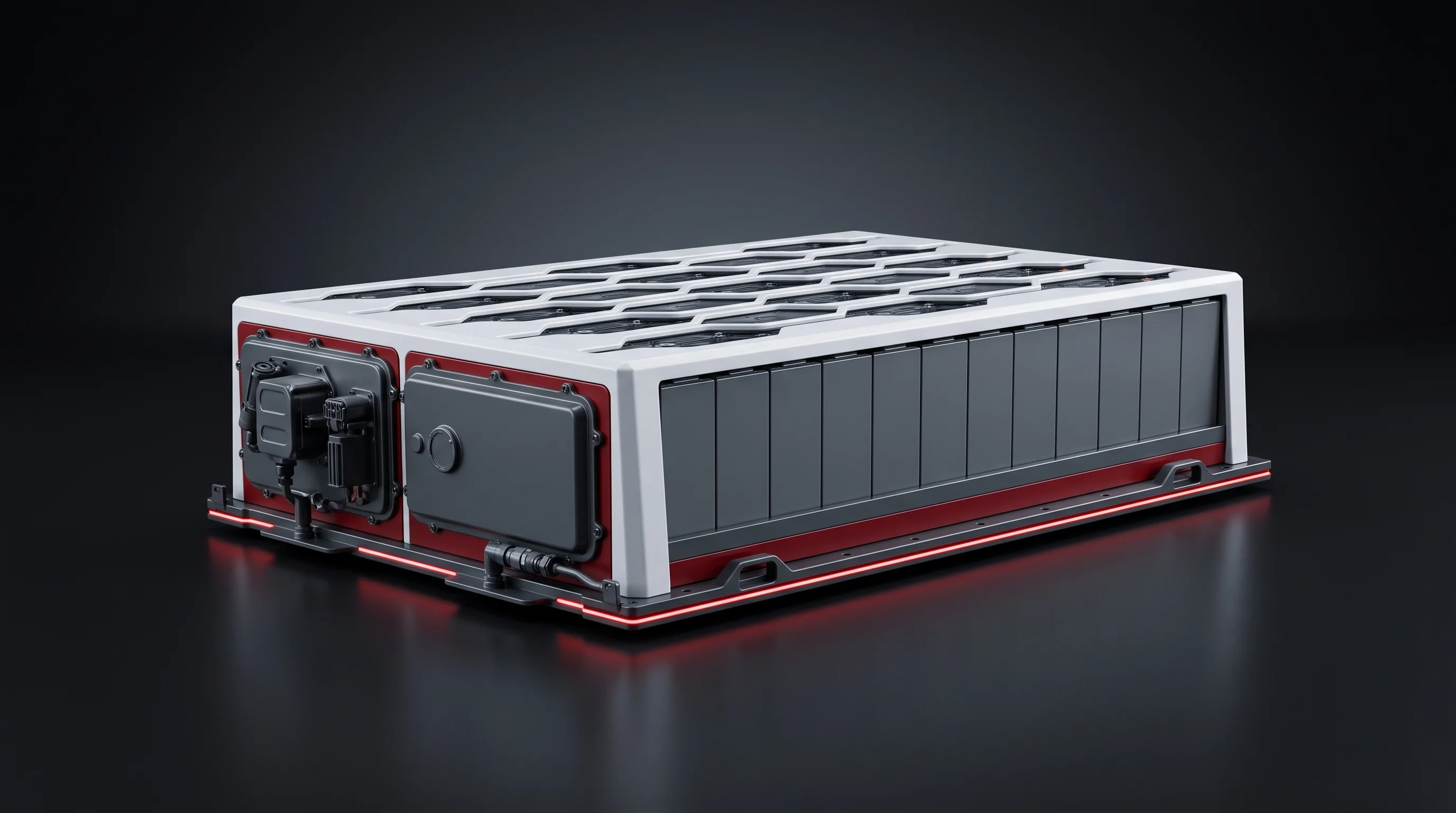
A cell the wrong way round does not go into sorting. Orientation survives everything geometric downstream, and nothing objects until the polarity test at station 10, by which point a module has been built around it.
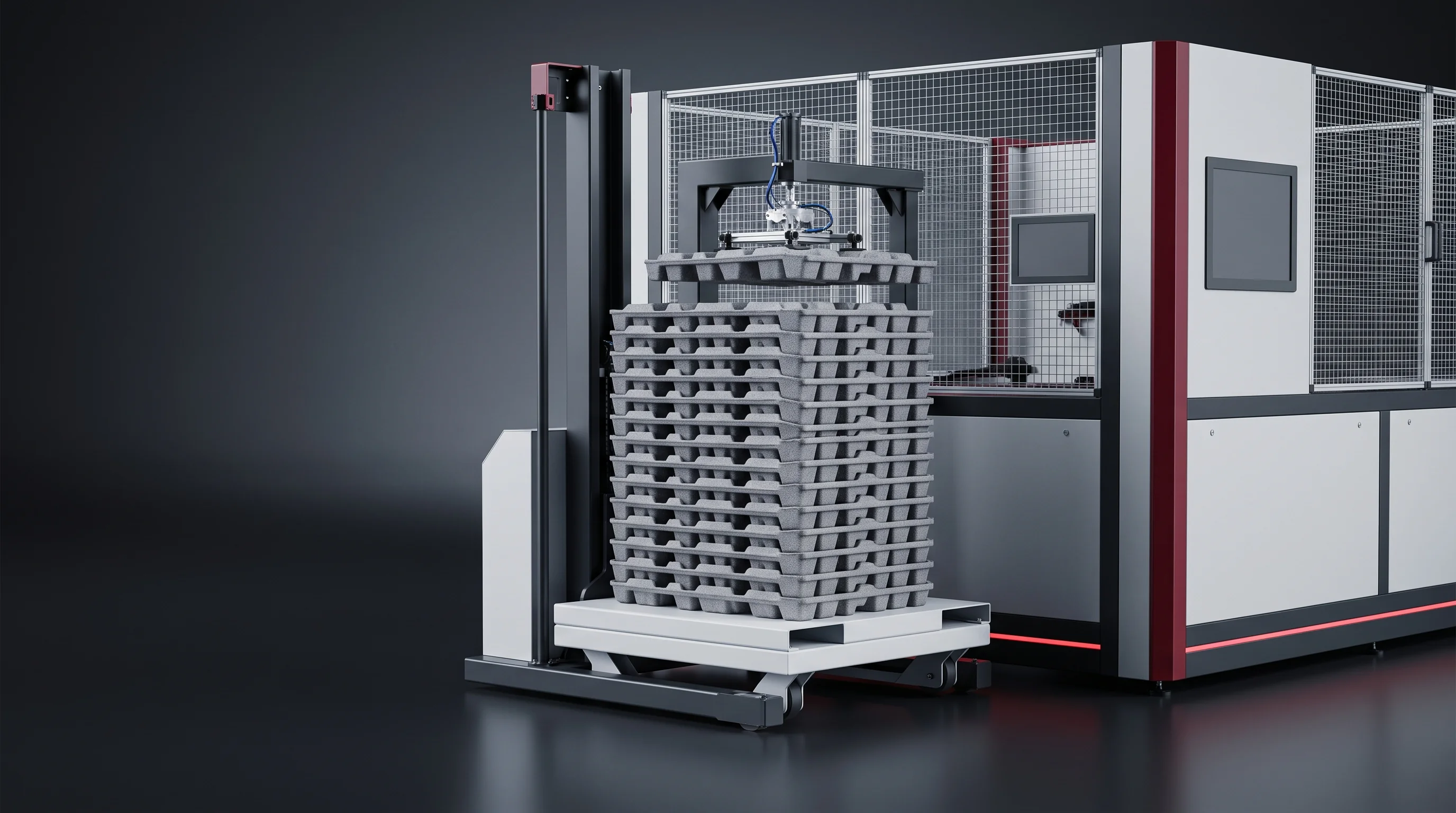
Trays are stacked as the pallet is worked through; the stack alarms at 20 layers so it is taken away between pallets, not in the middle of one. A station is manned by its least automatic moment.
Cell envelope and changeover
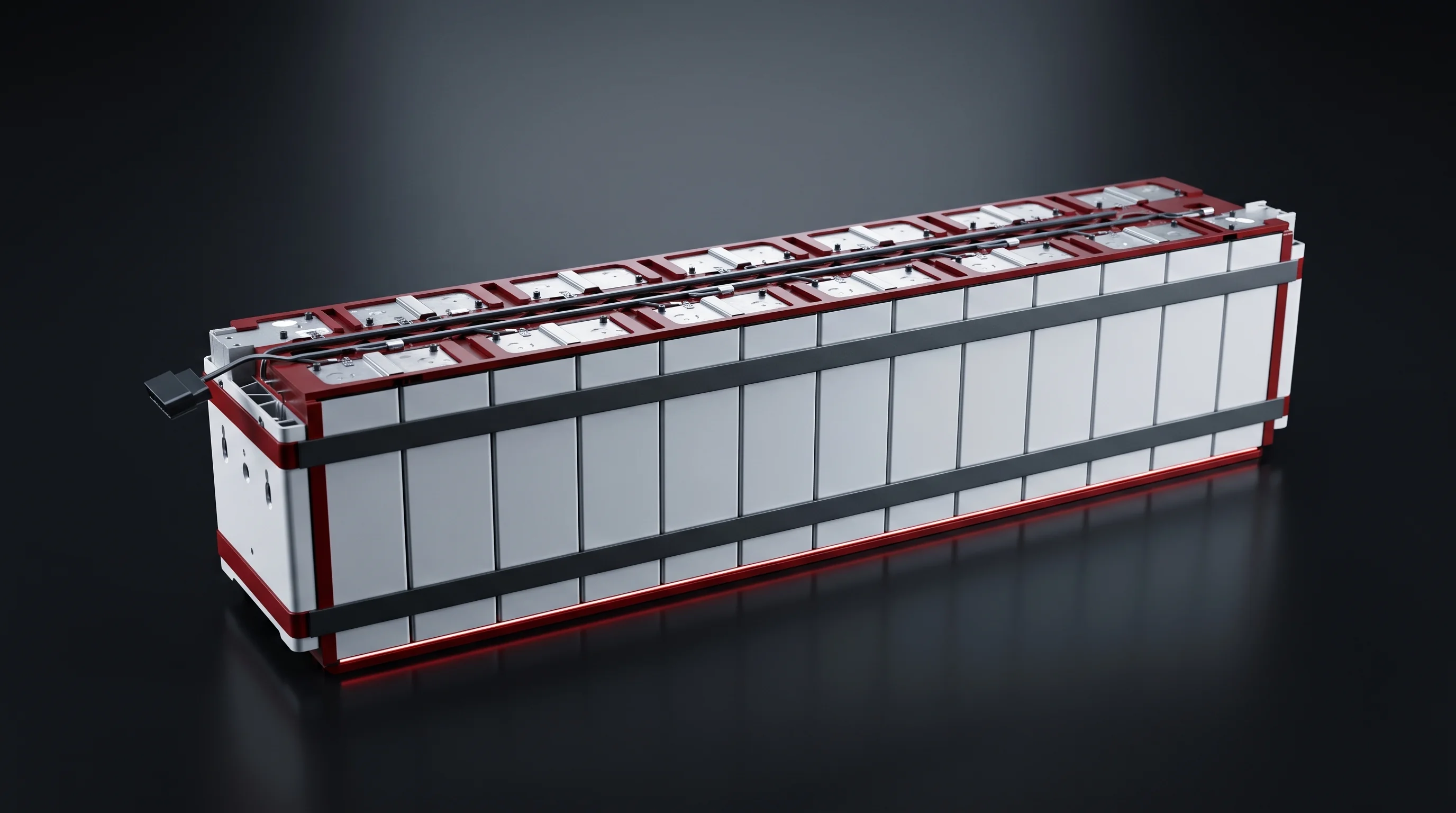
The cells this station handles are prismatic, within an envelope of 100–220 mm wide, 100–220 mm high and 20–80 mm thick. Inside that envelope, what changes with your cell is the gripper and the tray program, not the station.
Production cannot run against a rule that has not been signed, and the signature is what makes the next changeover a 30-minute program call. Range and stops for the whole line are on the cell compatibility and changeover page.
Cylindrical cells are a different route, with their own sorting machine and their own downstream sequence, on the cylindrical and consumer pack line page rather than fitted onto this station.
The records you receive
Factory acceptance runs in the 6,000 m² assembly workshop, on one of three bays where a line is stood up in its shipping configuration, using your cells. Site acceptance repeats it on your floor, counted at this station.
Two to three working days, on a material list both parties confirm before shipping. For the 1P13S blueprint: 260 cells plus around 10% spare, through the full test set.
Eight hours continuous at your target takt, counted here, over three to five working days. Missed items are recorded with station, measured value and criterion; only those are retested.
The eight steps are on the factory and site acceptance page; who does the work, on the about page.
What to send
Four things specify a cell testing & sorting station. With these four, the station scope, the gripper tooling your cell needs, and what your sorting criteria document would contain come back within 24 hours.
Your enquiry, ready to send
If your email client opened, it is already in the message. If nothing opened, use one of the two routes below.
Start with the cell
Four inputs to the engineering team and the station scope, the gripper tooling and the outline of your sorting criteria document come back within 24 hours. Behind it: the people and the bays on the about page.