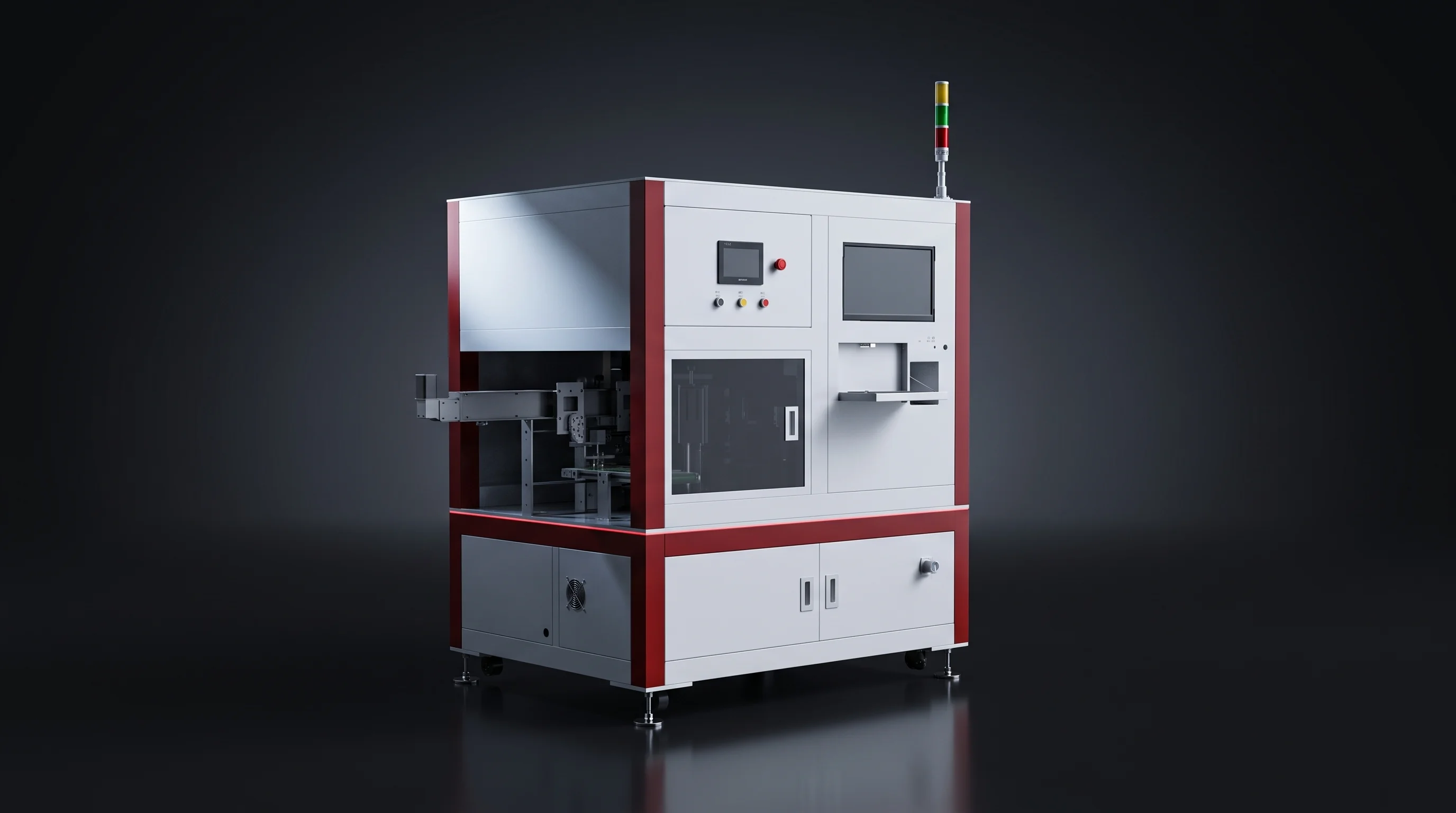
Cylindrical & consumer branch
Cylindrical Battery Pack Line for 18650 and 21700 Packs
Power tool packs, two-wheeler packs, portable storage packs and consumer electronics packs, built from cylindrical cells and from small pouch and prismatic cells. Two complete lines and seven single stations sit on this branch, built by the same engineering team, in the same hall, against the same three working rules as the prismatic storage lines.
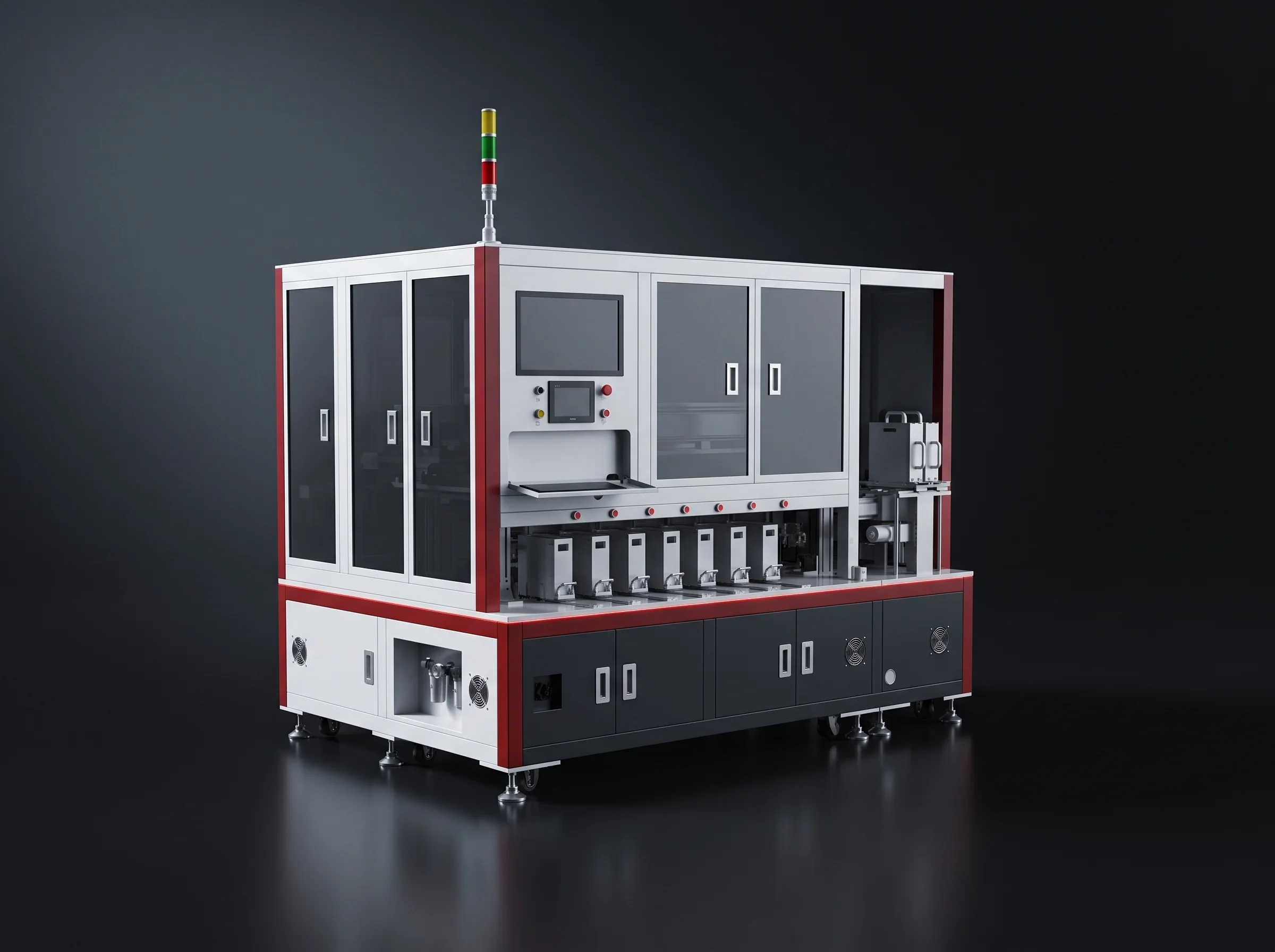
- Sorting
- Bracket into shell
- Nickel spot welding
- BMS assembly
- Testing
- Packaging
300–600packs per shift, 5S2P to 13S4P
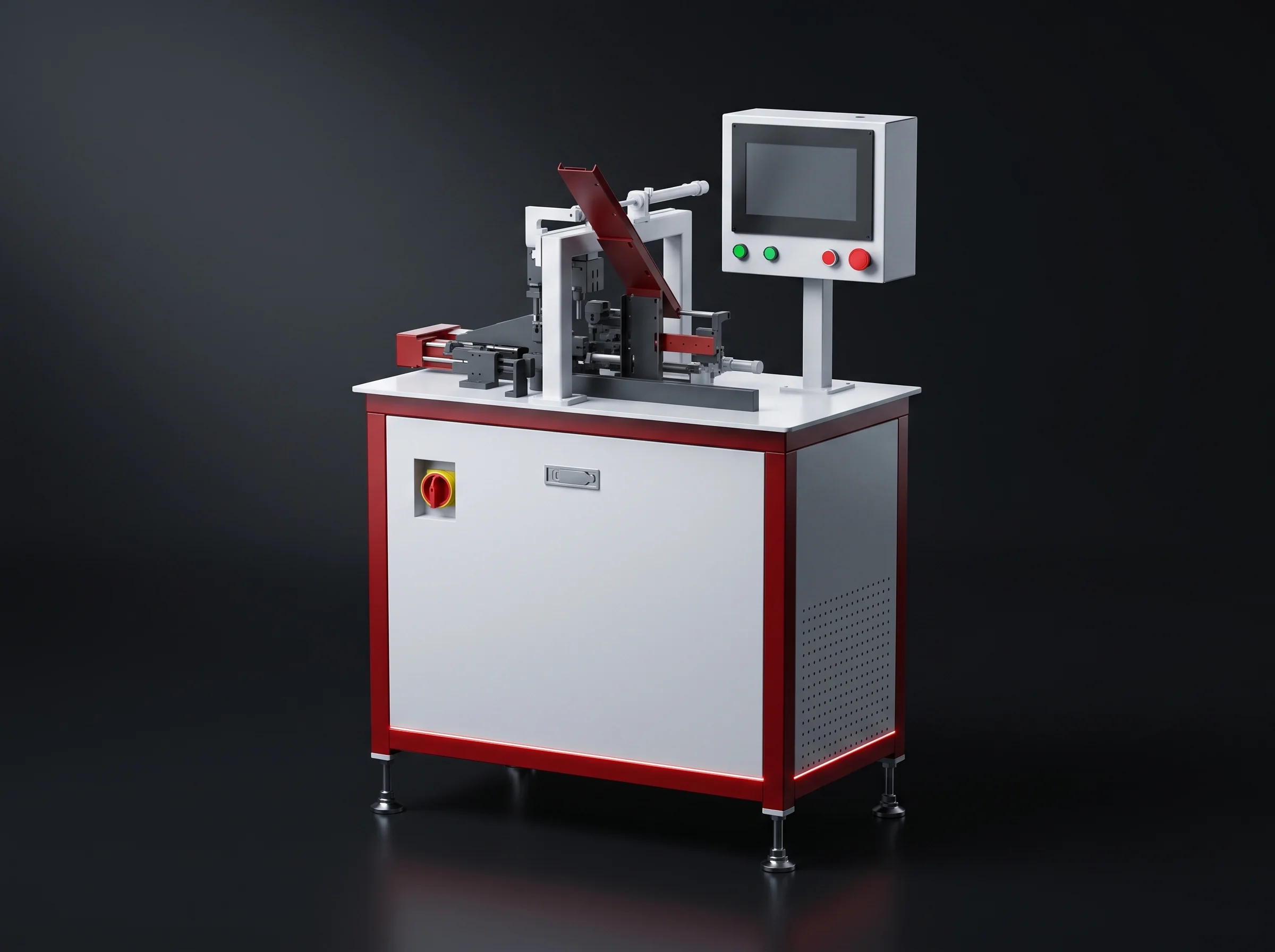
- Protection board welding
- Taping
- Bending
- Packaging
- Testing
500–1,000packs per shift, pouch to cylindrical
Branch scope
Two Cylindrical Battery Pack Lines
BLP-CL runs sorting, bracket loading into the shell, nickel strip spot welding, BMS assembly, testing and packaging. BLP-CM runs protection board welding, taping, bending, packaging and testing, and takes pouch, small prismatic and cylindrical cells through the same station set.
Three ways to buy
A complete branch line
One project, one layout drawn against your building, one set of acceptance criteria covering every station on it.
A single station
Dropped into a line you already run, with the interface heights and the recipe format set against your existing equipment.
One segment rebuilt
Welding or sorting replaced while the rest of the plant keeps running, sequenced so the shutdown falls inside one changeover window.
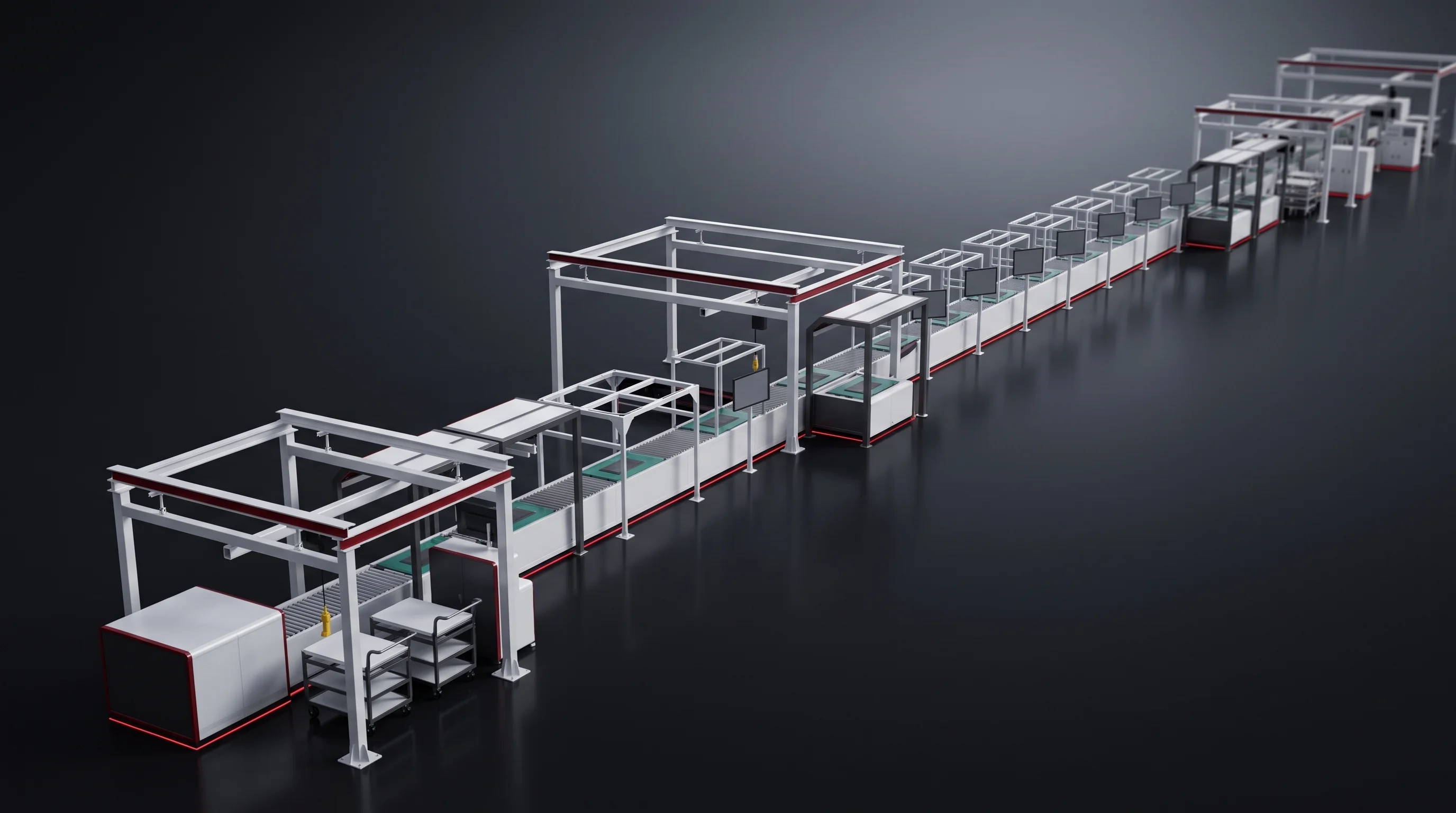
- Complete lines
- 2
- Single stations
- 7
- Shell sizes
- 18650 / 21700 / 26650
- Automation
- Semi-automatic
Seven stations sold on their own
Cell sorting
18650, 21700 and 26650 on one machine.
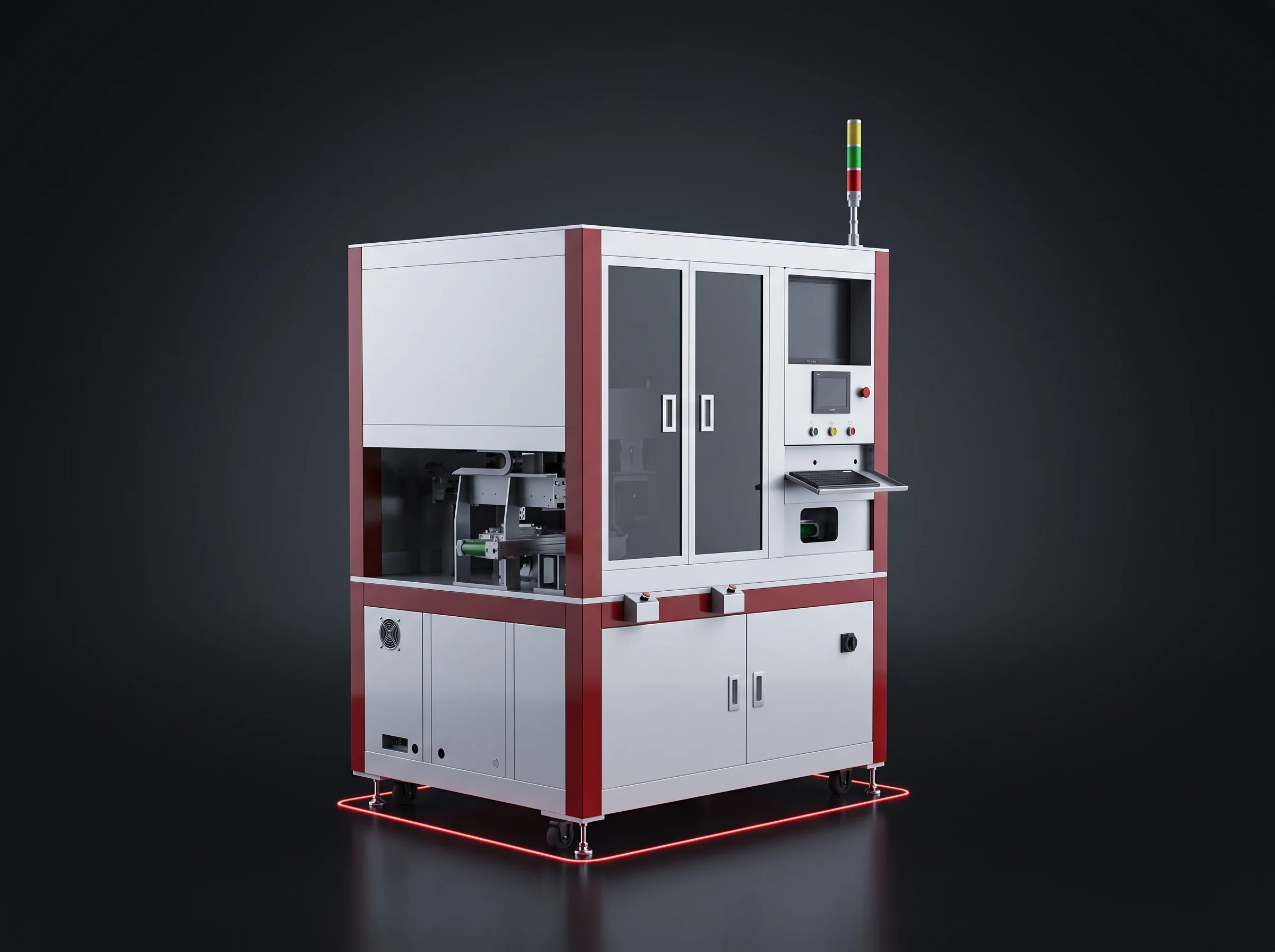
Nickel welding and bending
Spot welds and bends the strip in one pass.
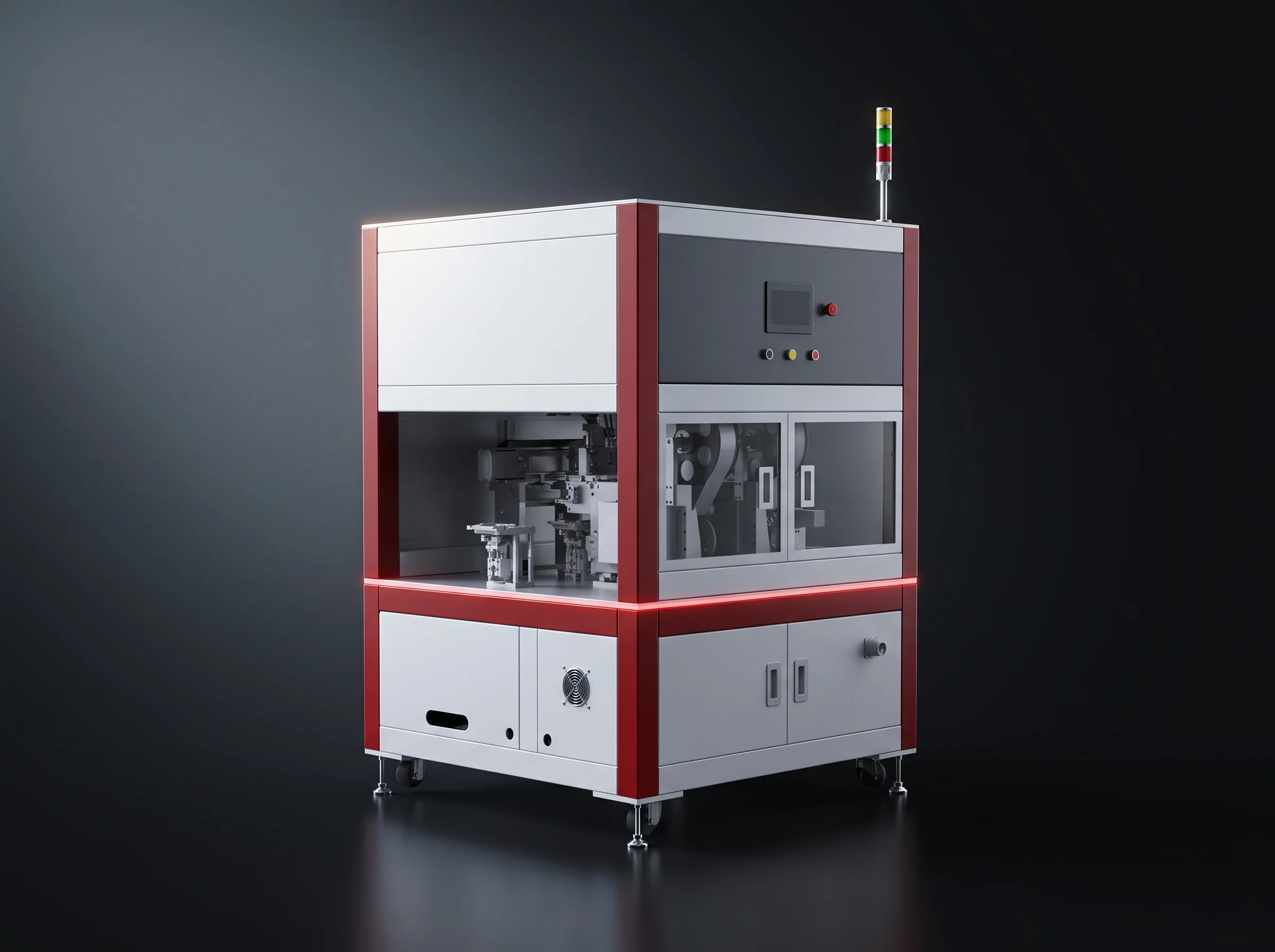
Insulation pad
Applies the pad to the positive face.
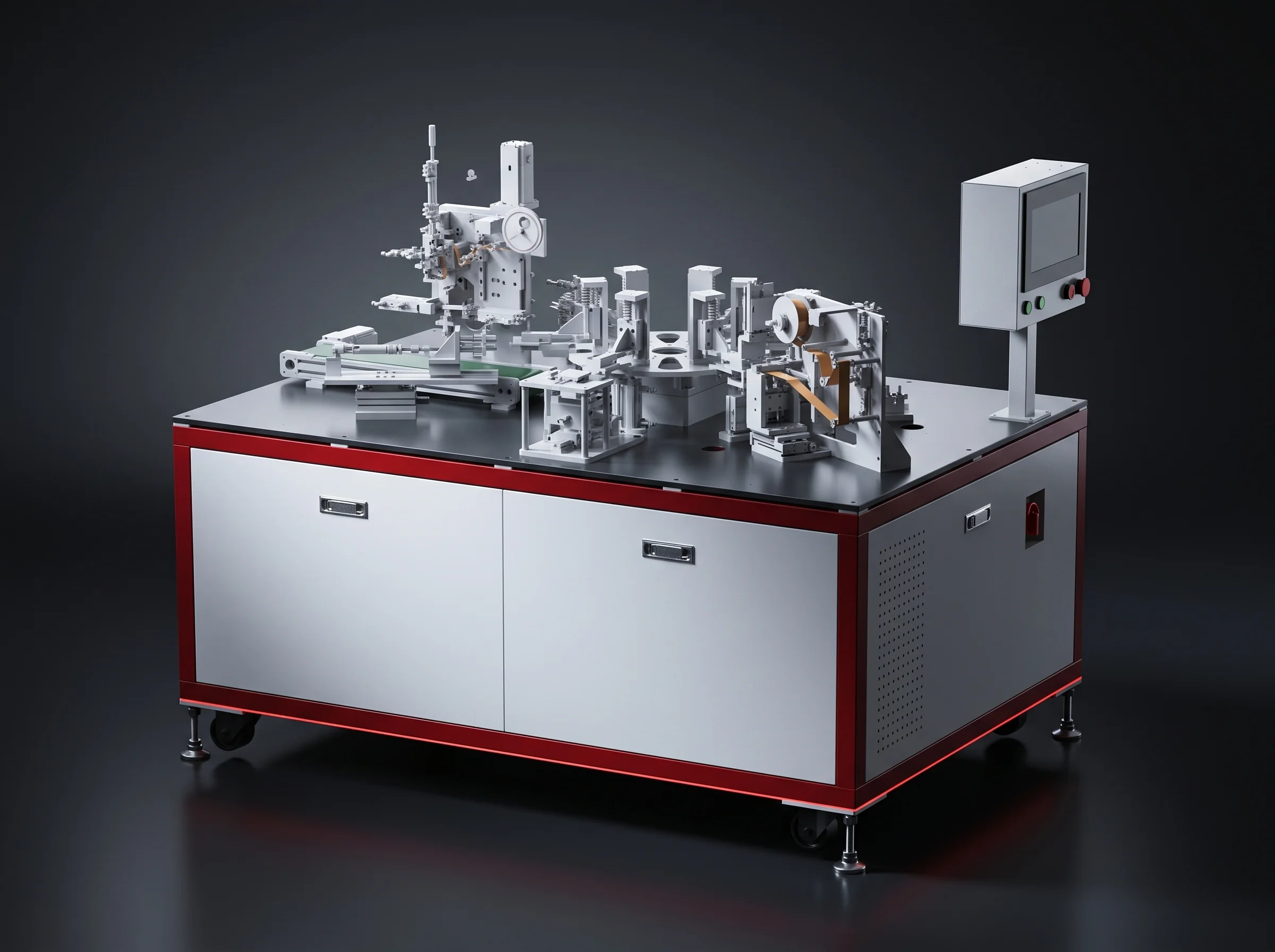
Side double-sided tape
Tape length taken from the bracket recipe.
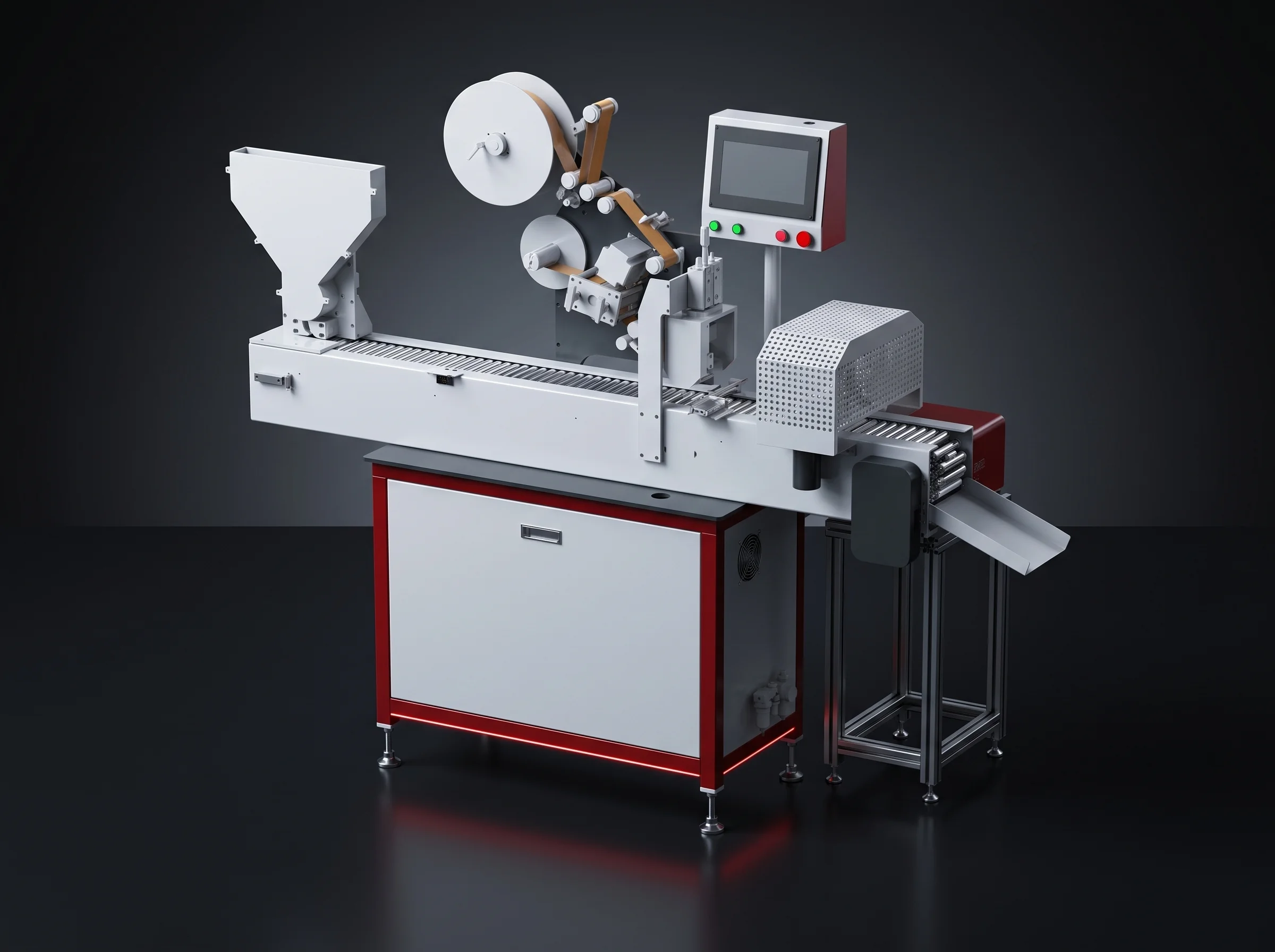
PVC sleeve and shrink
Sleeves and shrinks in one pass.
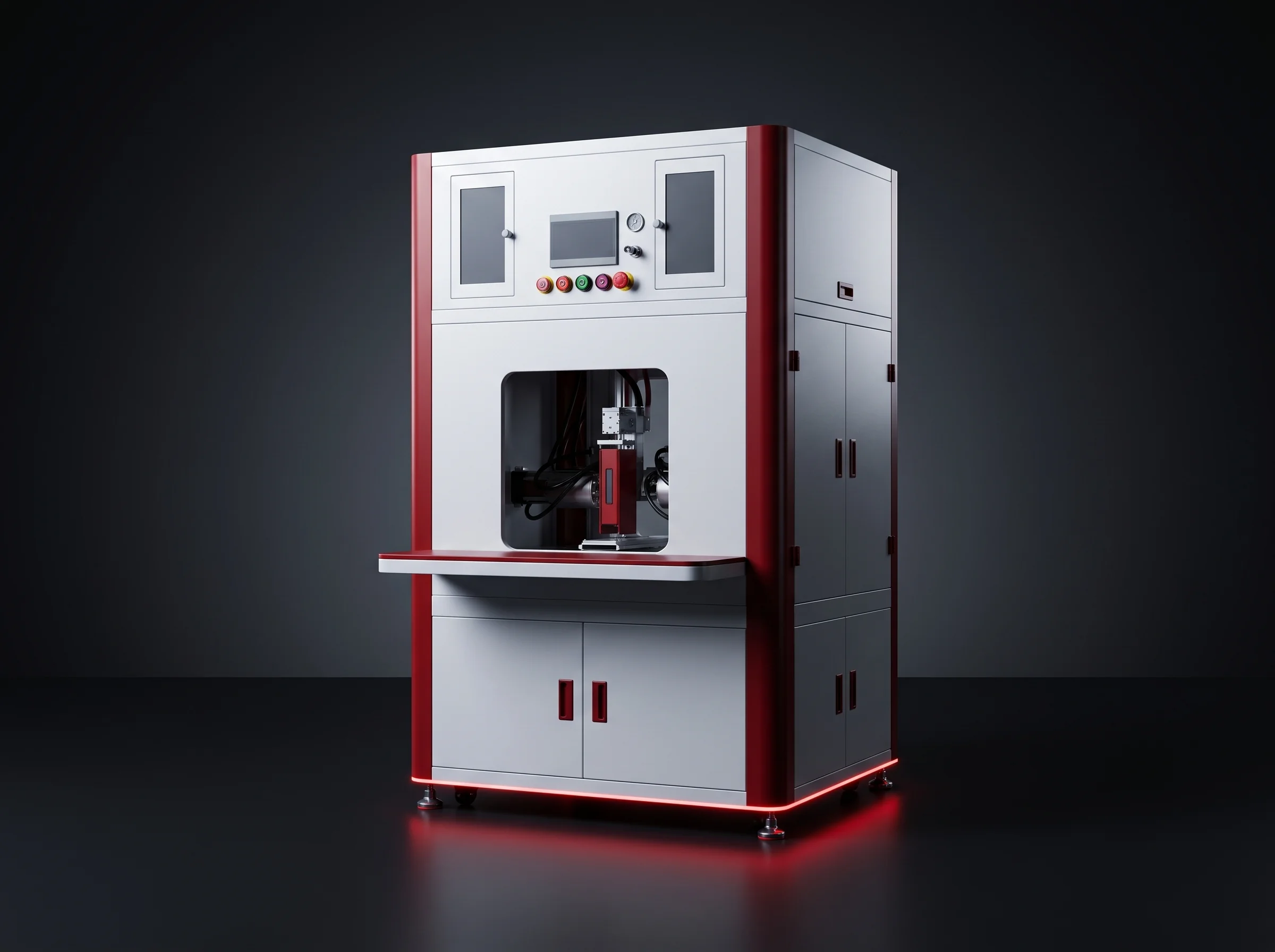
Adhesive dispensing
Structural adhesive on brackets and end caps.
Shell sealing
Heat-press seals consumer plastic shells.
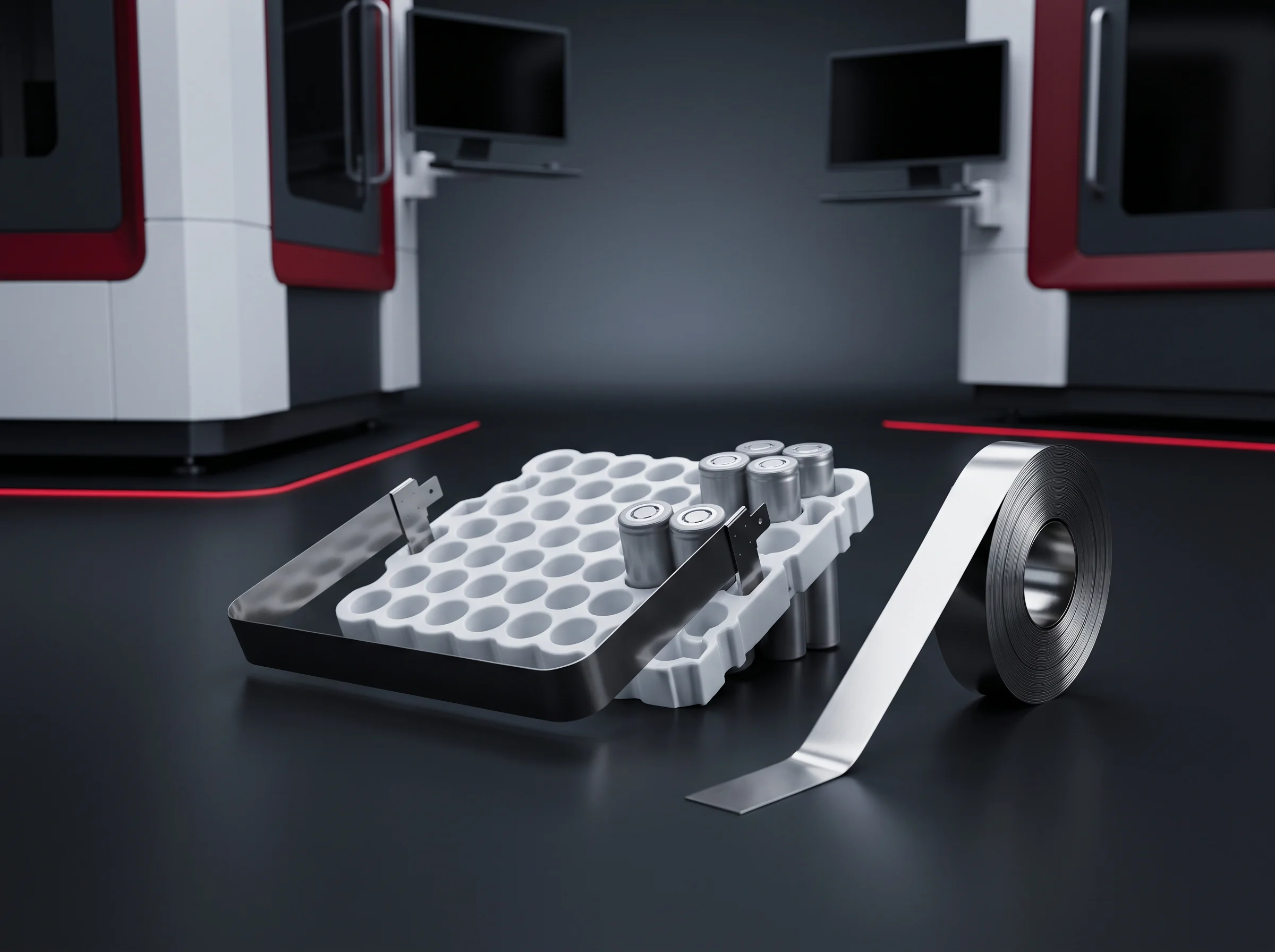
Bracket and strip set
Changed by tooling and recipe, not by machine.
Who buys here
Buyers on the Cylindrical Branch
Four kinds of plant arrive on this branch, and each one has a different station carrying its business case.
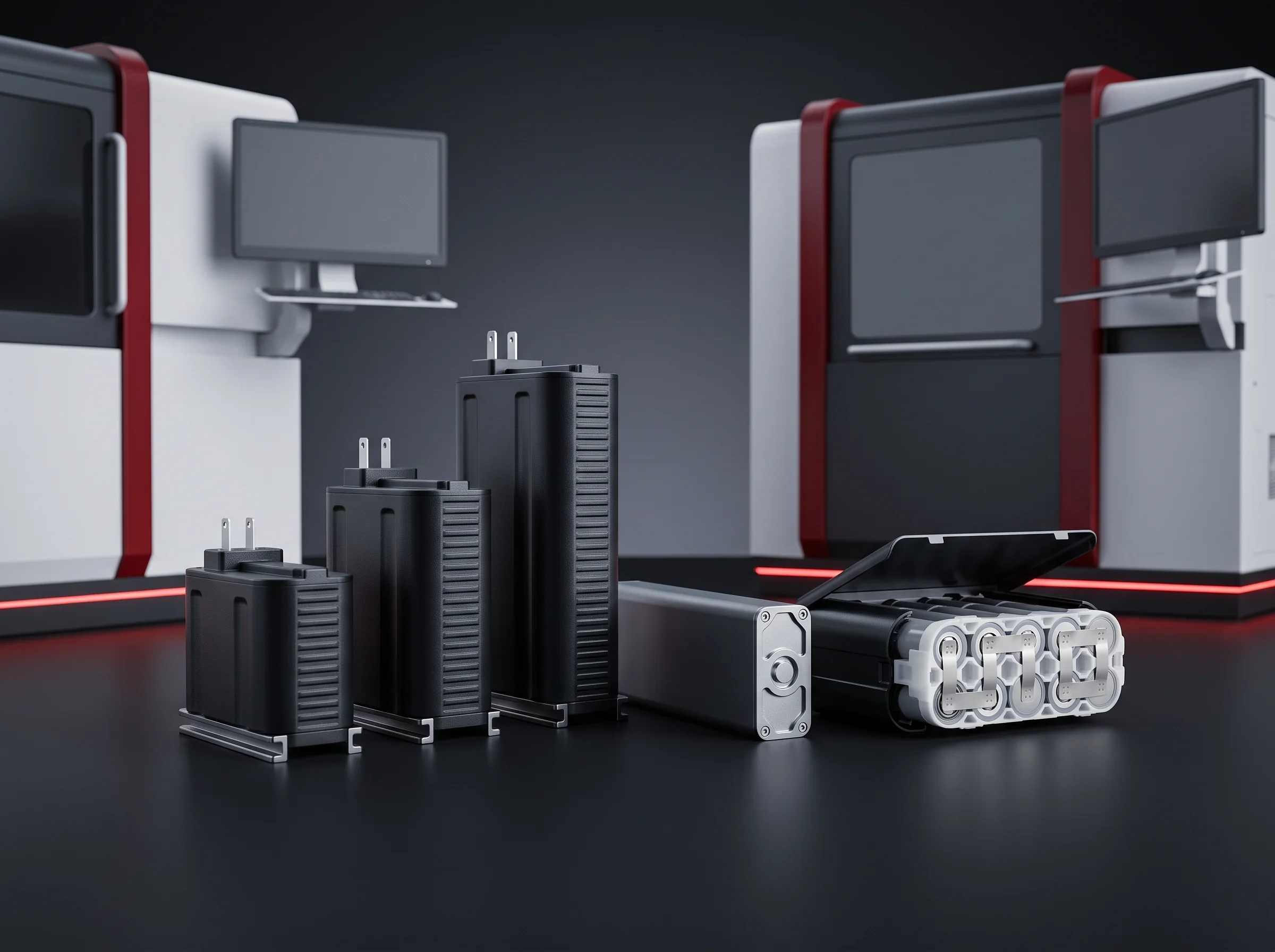
Power tool pack makers
Arrive with the cell already chosen and the pack fixed between 5S2P and 13S4P. Hand welding is what caps output per shift, so the business case turns on the welding station.
- Decides it
- BLP-CW
Two-wheeler pack makers
Arrive with a fixed shell and a bracket set that changes several times a year. What matters is how quickly a recipe swap turns the line over to the next bracket.
- Decides it
- Changeover
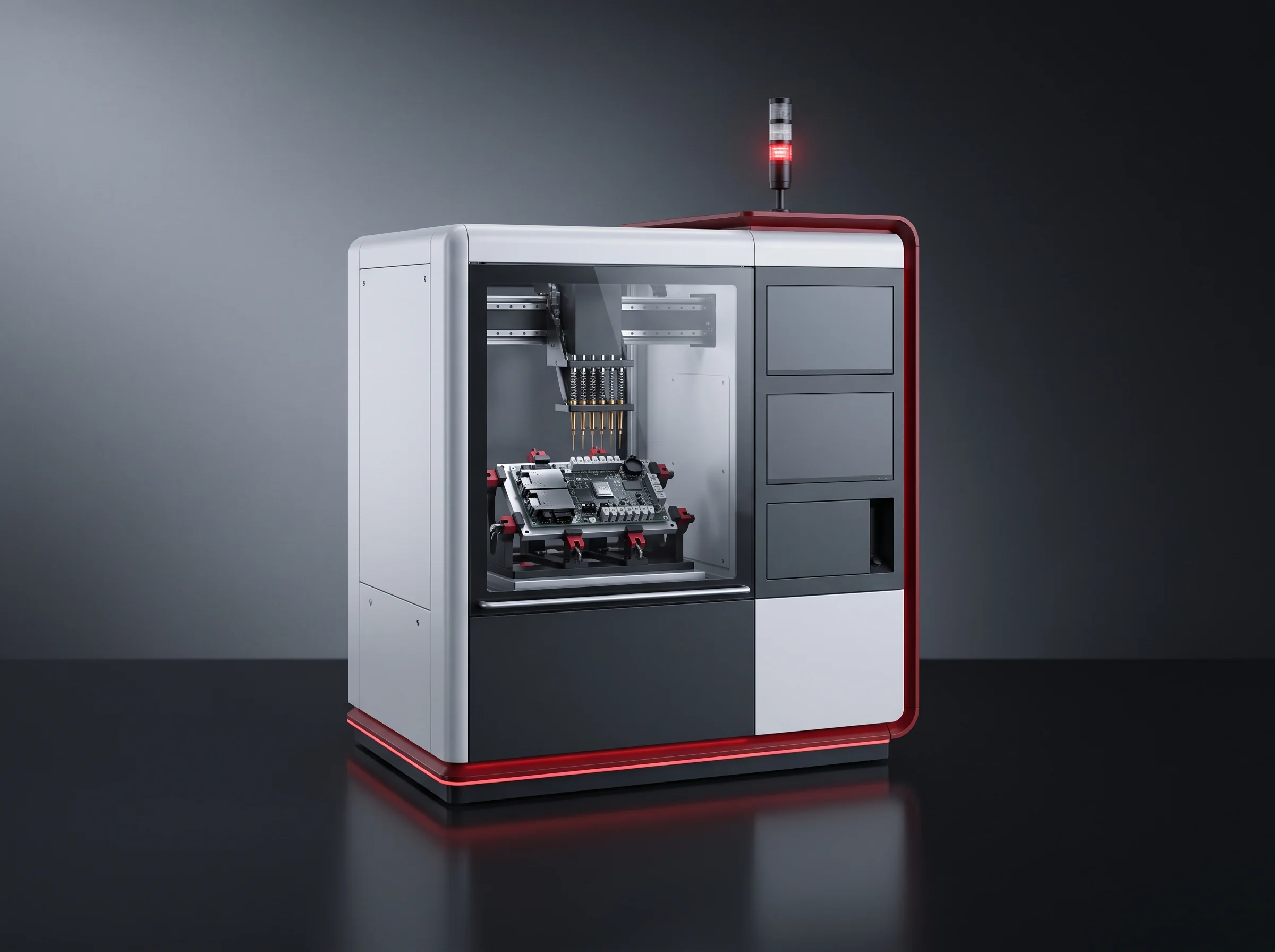
Portable storage pack makers
Work mostly in 21700 at higher parallel counts, and ask for charge and discharge function testing at end of line rather than voltage and resistance alone.
- Decides it
- End-of-line
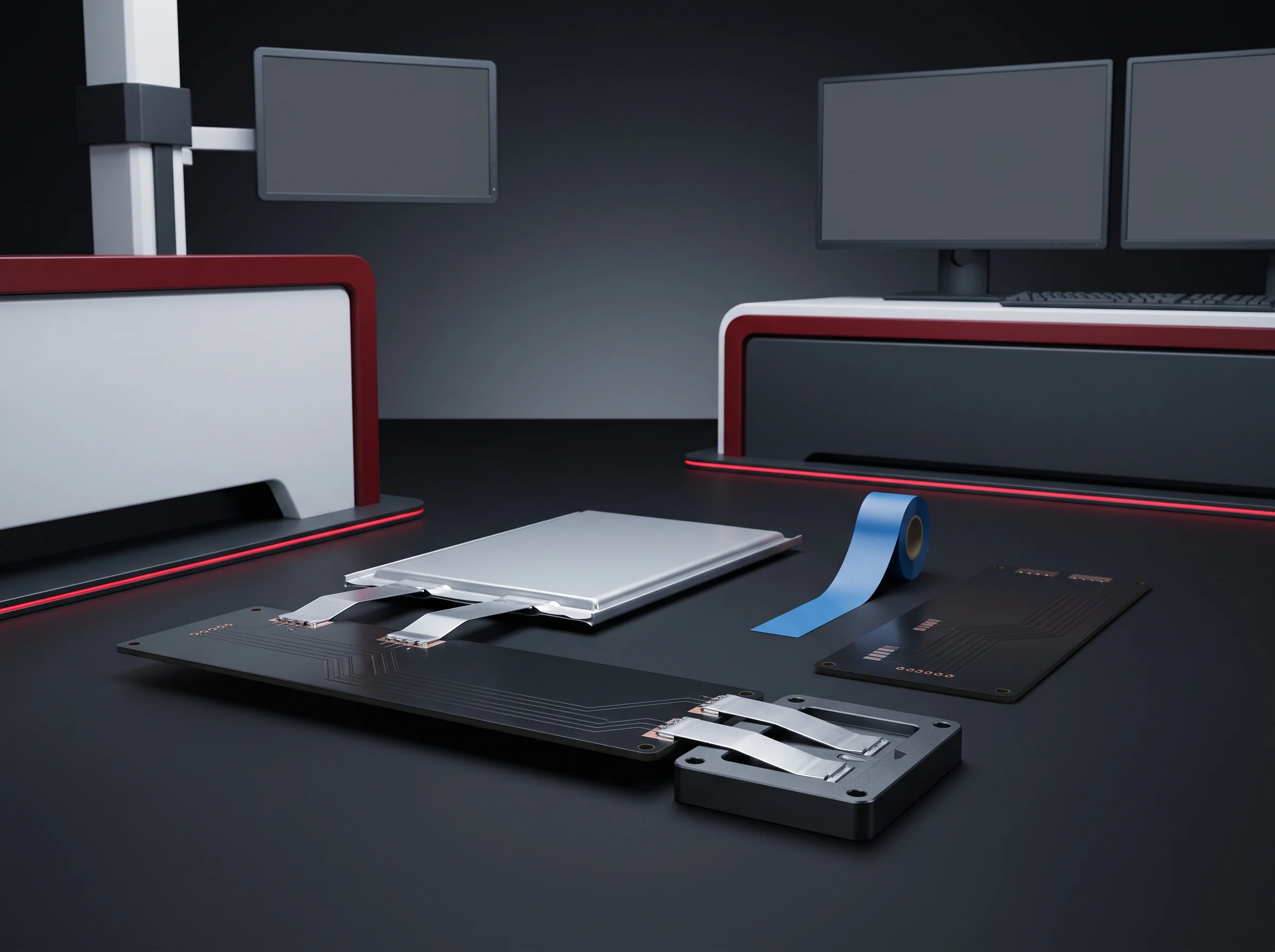
Consumer electronics pack makers
Arrive with pouch or small prismatic cells and start the sequence at protection board welding instead of at sorting, because their cells arrive graded.
- Decides it
- BLP-CM
- Cell model and shell size
- Series and parallel configuration
- Bracket and enclosure drawing
- Nickel strip specification
- Target output per shift, stated in packs
- The test items the pack has to pass
Plants running prismatic storage packs belong on the energy storage battery pack line instead.
Complete line
Cylindrical Battery Pack Line BLP-CL
Six segments in sequence. Output is 300 to 600 packs per shift, counted on packs between 5S2P and 13S4P. The range is wide because the weld count per pack is what moves it: a 13S4P pack carries several times the weld points of a 5S2P pack, and the welding station sets the pace of everything behind it.
A figure inside that range is calculated against your own series and parallel count, not quoted as a headline.
- Segments
- 6 in sequence
- Configurations
- 5S2P to 13S4P
- Pace set by
- BLP-CW welding
- Sold as
- Line, segment or station
Sorted and banded on BLP-CS18
Brackets loaded, stack into shell
Nickel strip welded and bent
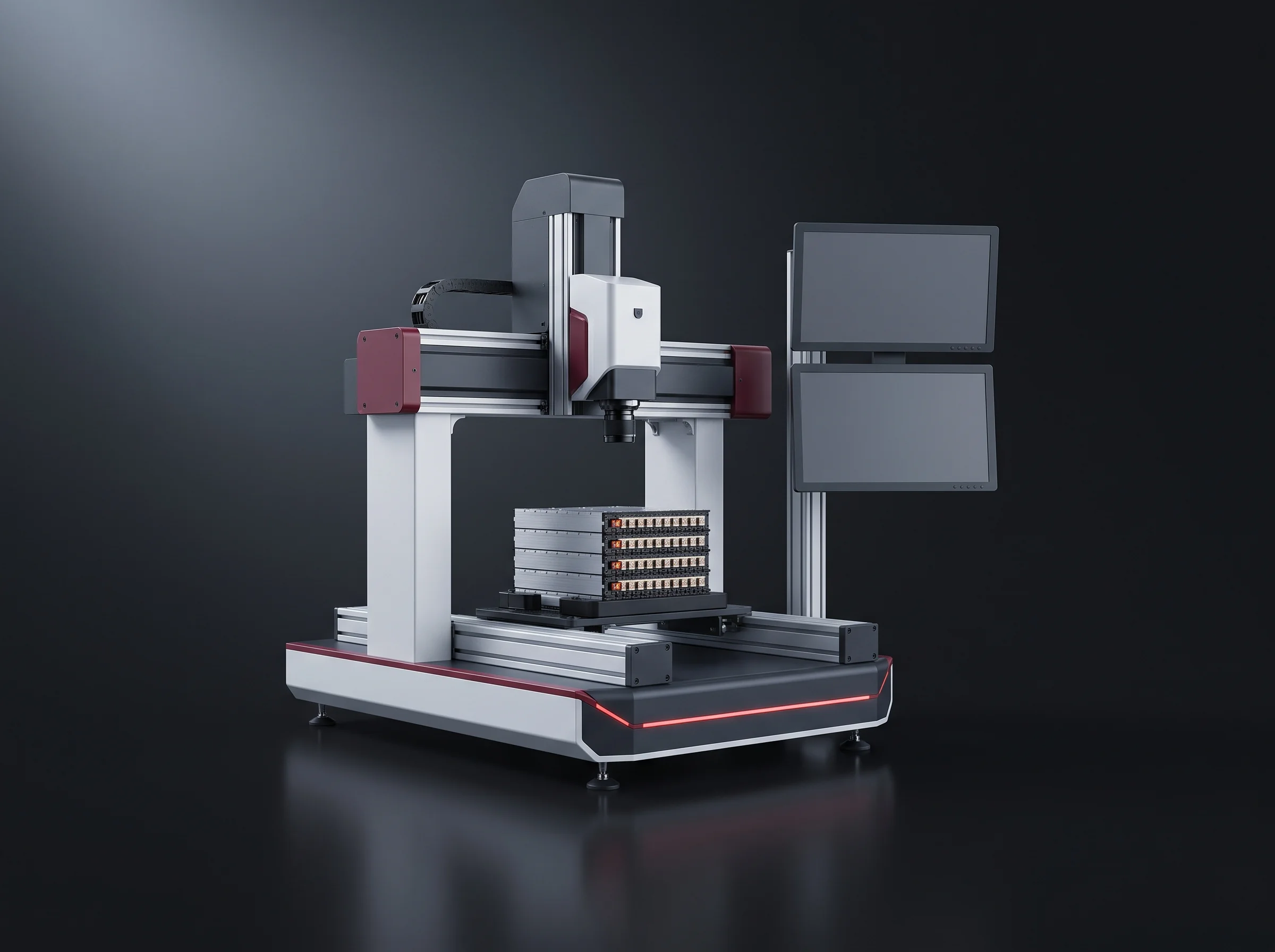
BMS fitted and wired
Pack tested on four items
Sleeved, sealed and packed
Complete line
Consumer Pack Line BLP-CM
Starts where the cells arrive already graded. Output is 500 to 1,000 packs per shift, higher than the cylindrical line because there is no sorting segment in front of it and the weld count per pack is far lower.
Protection board welded
To the tabs, in a fixture that holds the board square.
Insulation applied
Tape and pads, placement held by recipe.
Tabs bent to shape
To the shape the enclosure needs.
Pack packaged
Shell closed on a per-shell recipe.
Tested and released
Four items, limits set before shipment.
The line takes pouch cells, small prismatic cells and cylindrical cells through the same station set, which is why it is the line we recommend to buyers whose product mix moves across formats within one year. What changes between formats is the fixture and the recipe, not the station sequence.
Where a buyer’s mix is entirely cylindrical and the pack count per shift is the constraint, BLP-CL is the better fit.
Branch Line Figures
- 3shell sizes
- 4,000–6,000cells per hour
- 60–90welds per minute
- 0.1–0.3 mmnickel strip
- 300–1,000packs per shift
Single station
Cell Sorting Station BLP-CS18
Handles 18650, 21700 and 26650 cells on the same machine. It reads open-circuit voltage and cell resistance, sorts against 10 bands as standard and up to 20 where a customer’s grading calls for it, rejects NG cells automatically and drops each accepted cell into the box for its band.
- Shell diameters
- 18650 / 21700 / 26650
- Sorting bands
- 10 standard, 20 maximum
- Throughput
- 4,000–6,000 cells per hour
- NG handling
- Rejected automatically
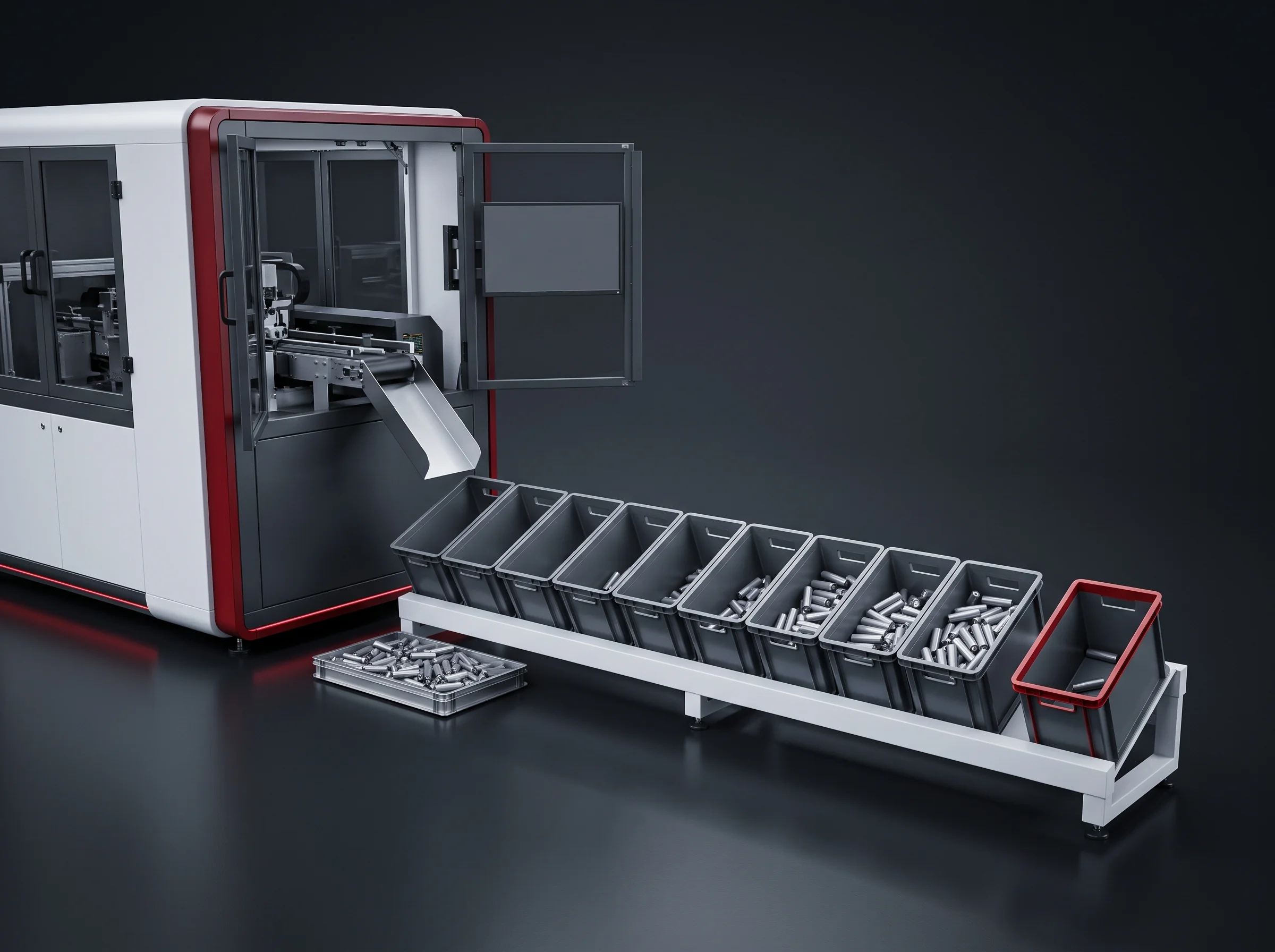
The signed sorting criteria sheet
Before the machine ships, the voltage window and resistance window for each band, and the conditions that make a cell NG, are written down and signed by both sides. That sheet becomes part of the acceptance criteria the station is measured against on site.
- Band count, and the voltage and resistance window of each band
- The NG conditions, and the box each band falls into
- The acceptance-day record of real cells run band by band against it
Same working rule as the prismatic cell testing and sorting station BLP-CS, which measures voltage to ±0.01% of reading plus 3 digits and resistance to ±0.5% of reading plus 10 digits, and refills the gap an NG cell leaves so the group behind it stays complete.
Cell formats
Cylindrical Cell Sizes Handled
18650
Sorted, taped, sleeved and welded on the standard tooling set.
21700
The format most portable storage buyers run, at higher parallel counts.
26650
Handled on the same sorter, with its own bracket and nest.
Three cylindrical shell sizes run on this branch. Moving between them is tooling and recipe, not a new machine.
The station buyers come for
Nickel Tab Welding and Bending
BLP-CW welds nickel strip from 0.1 to 0.3 mm with dual-pin precision spot welding, in single or double layer, at 60 to 90 weld points per minute, and bends the strip to the angle the bracket program calls for in the same pass.
- Strip thickness
- 0.1–0.3 mm
- Layers
- Single or double
- Weld rate
- 60–90 points / min
- Pull test
- ≥30 N on 0.15 mm
Recipes indexed by bracket and strip, not by job
One line of the recipe list covers one combination. When a customer’s bracket changes, the process engineer writes a new line; the line does not inherit yesterday’s settings.
- Strip thickness and layer count
- Weld current and time per pin
- Weld point pattern and bend angle
- The pull-test sampling criterion that combination is checked against
Operators select recipes, engineers own the values
Operators cannot edit the values inside a recipe. Editing rights sit with the process engineer, on a separate account level, which is why a shift leader cannot lift the weld current a notch to clear a run of cold joints and leave no trace of it. Recipe management appears on most machines in this class; the account split is what keeps the welded joint traceable to a written parameter set months later.
30 N here, 1000 N on a busbar — the joint, not the discipline
A busbar joint on our prismatic module lines is proved to 1000 N or more. A 0.15 mm nickel strip spot welded to a cell cap is a different joint from an aluminium or copper busbar laser welded on BLP-W6, and each is held to the figure its own joint form can be proved against.
Both criteria are written before shipment, and both are checked by pulling real samples.
- The recipe list shipped with the machine
- Operator and process engineer account levels, configured
- Pull-test record format, sampling rate and criterion filled in
24-hour reply
Send Your Cell and Bracket Drawing
Send the cell model, the series and parallel configuration and the bracket drawing to our engineering team, and a line recommendation with its station list comes back within 24 hours.
Four stations
Taping, Sleeving and Sealing Stations
Four stations handle the insulation and enclosure work either side of welding, and all four run on the same recipe discipline as BLP-CW.
Insulation pad
Applies the pad to the positive face of the cell.
- Placement
- ±0.3 mm
- Rate
- 40–60 / min
Side tape
Double-sided tape on the side of the cell, length taken from the bracket recipe.
- Length
- By recipe
- Rate
- 40–60 / min
PVC sleeve
Sleeves and shrinks in one pass on 18650 and 21700, shrink temperature set by zone.
- Zones
- Set per cell
- Rate
- 40–60 / min
Shell sealing
Heat-press seals consumer plastic shells, pressure and temperature stored per shell.
- Recipe
- Per shell
- Rate
- 15–25 / min
Why the shrink is zoned and the dwell is stored
A tube seats evenly along the cell when the shrink temperature is set by zone; heated as one block, it tightens at one end first. A shell wall half a millimetre thicker needs a different dwell, not a longer one guessed at the machine.
Each of the four ships with its recipe list written against your own cell and shell dimensions, and each recipe is signed off during acceptance by running the parts it names.
- A recipe list written against your own cell and shell dimensions
- The same operator and process engineer account split as BLP-CW
- An acceptance run on the parts each recipe names
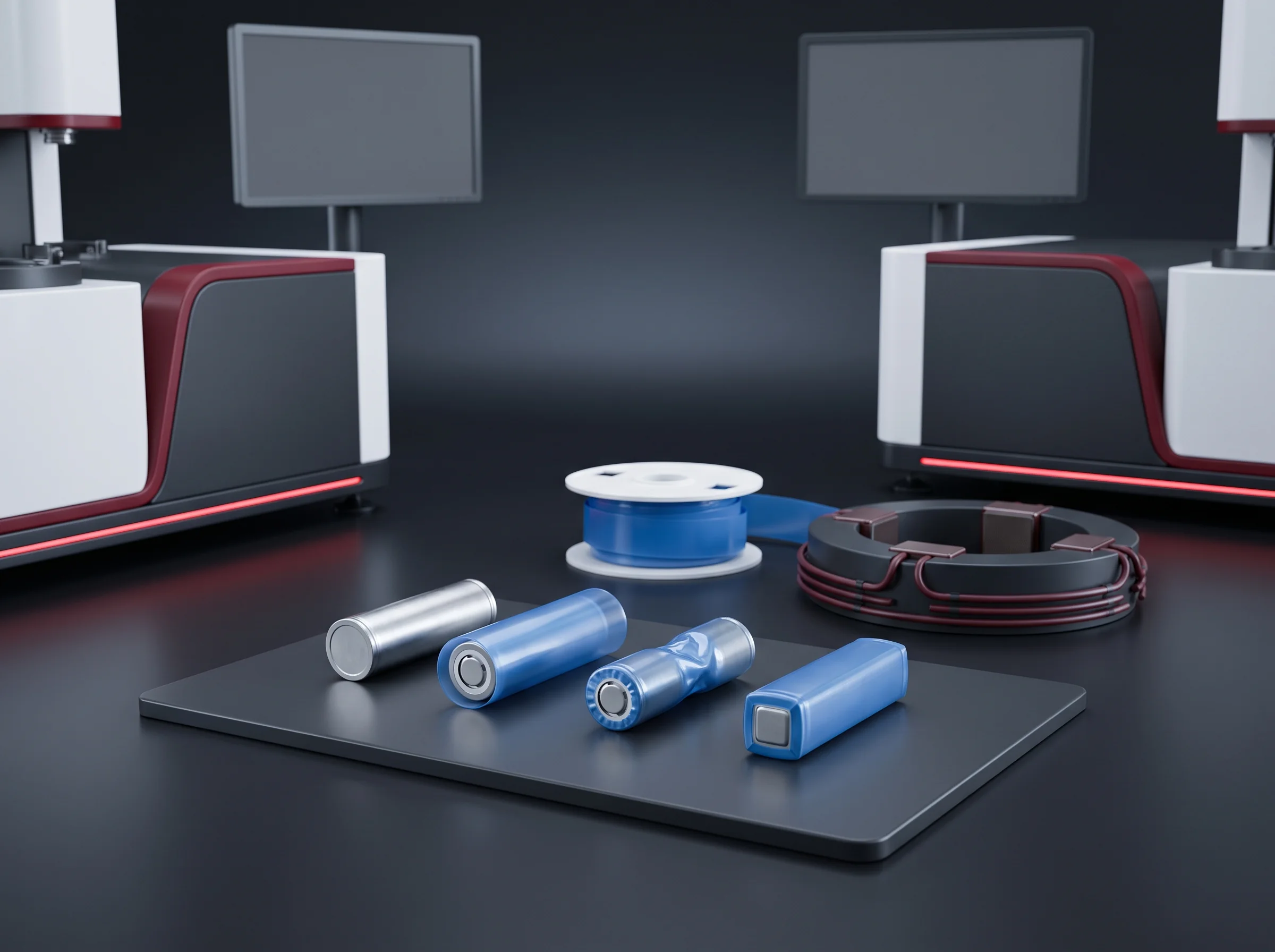
Shared control
Adhesive Dispensing Shared With Modules
BLP-CD dispenses structural adhesive on brackets and end caps, locating each part by vision to within 0.2 mm and metering the shot to within 5 per cent. Those figures are ordinary for the class. What is not ordinary is where the control comes from.
- Dual-servo metering on both machines
- A real-time pressure curve for every bead
- Parameters upload to MES over PROFINET
You receive that one description covering both machines, the exportable pressure curve for each bead run during acceptance, and the interface list for the MES upload.
Testing
End-of-Line Testing Below 60 Volts
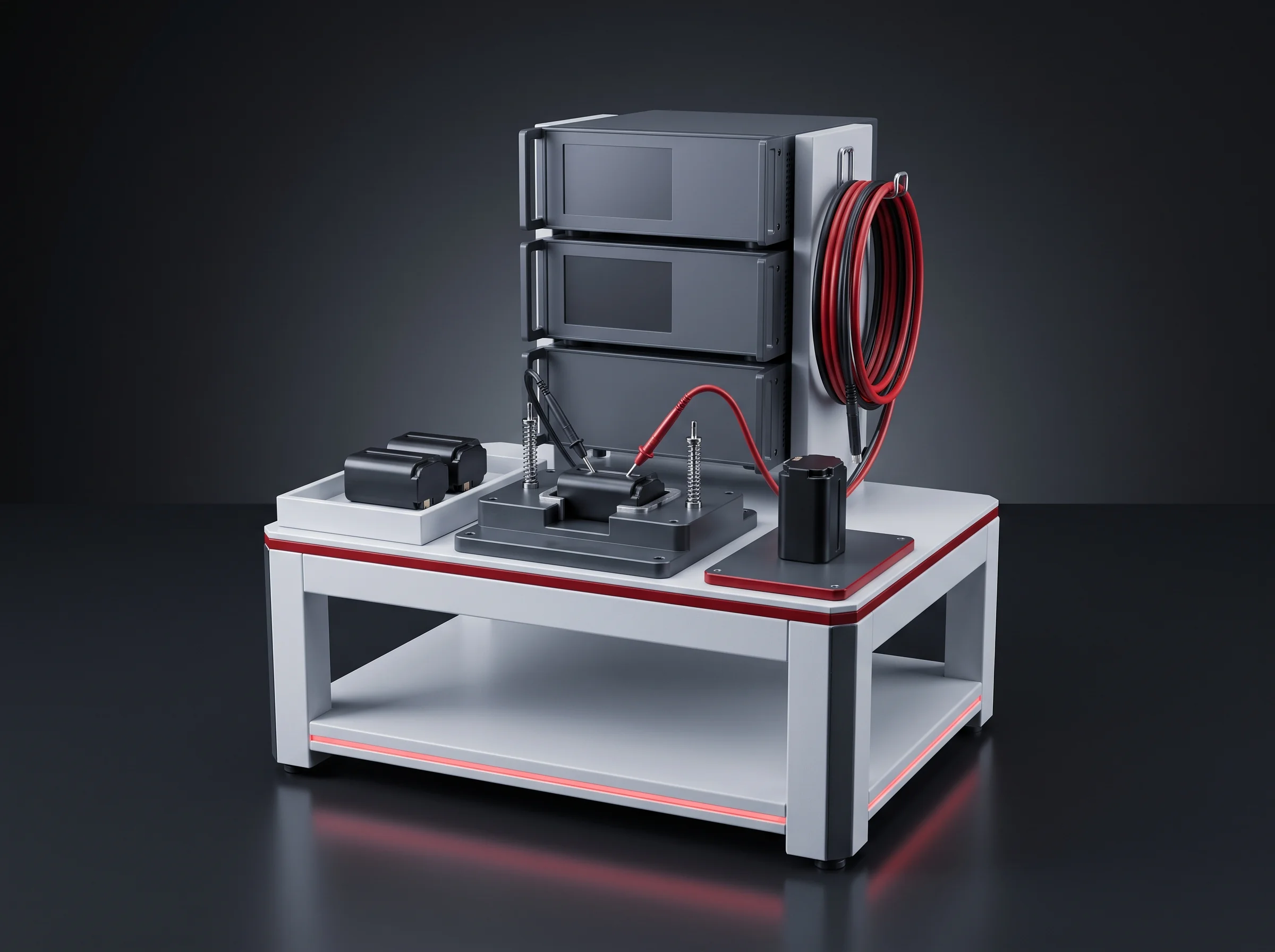
Consumer and cylindrical packs are tested on four items. Those items are not invented for this branch — they come from BLP-EOL, the module end-of-line tester on our storage lines, and are derated by a written rule rather than by omission.
| Test item | On a pack at 60 V or below | Derated from |
|---|---|---|
| Insulation | DC 500 V, sized to the pack’s own voltage class | DC 1000 V, ≥500 MΩ |
| Hipot | Removed, with the reason recorded next to the item | DC 2800 V, leakage ≤10 mA |
| Voltage and resistance | Carried across unchanged | Total voltage, resistance, continuity |
| Charge and discharge | Function test on every pack | Added for this branch |
DC 2800 V is set for a storage module operating in a 400 to 800 V string. Applying it to a 36 V tool pack proves nothing about the pack and risks the protection board. The full method for the prismatic side is on the battery pack EOL testing page.
- Held, not routedAn NG pack is held at the test station rather than rework-routed by whoever is standing there.
- Written to the recordThe failing item, its measured value and its limit go to the pack record.
- Marked positionThe pack goes to a marked rework position with that record attached.
Who builds it
Shared Engineering and Acceptance
The people who build this branch are the people who build the storage lines. There is no separate consumer division working to looser habits, which is why the three working rules hold across both sides of the business.
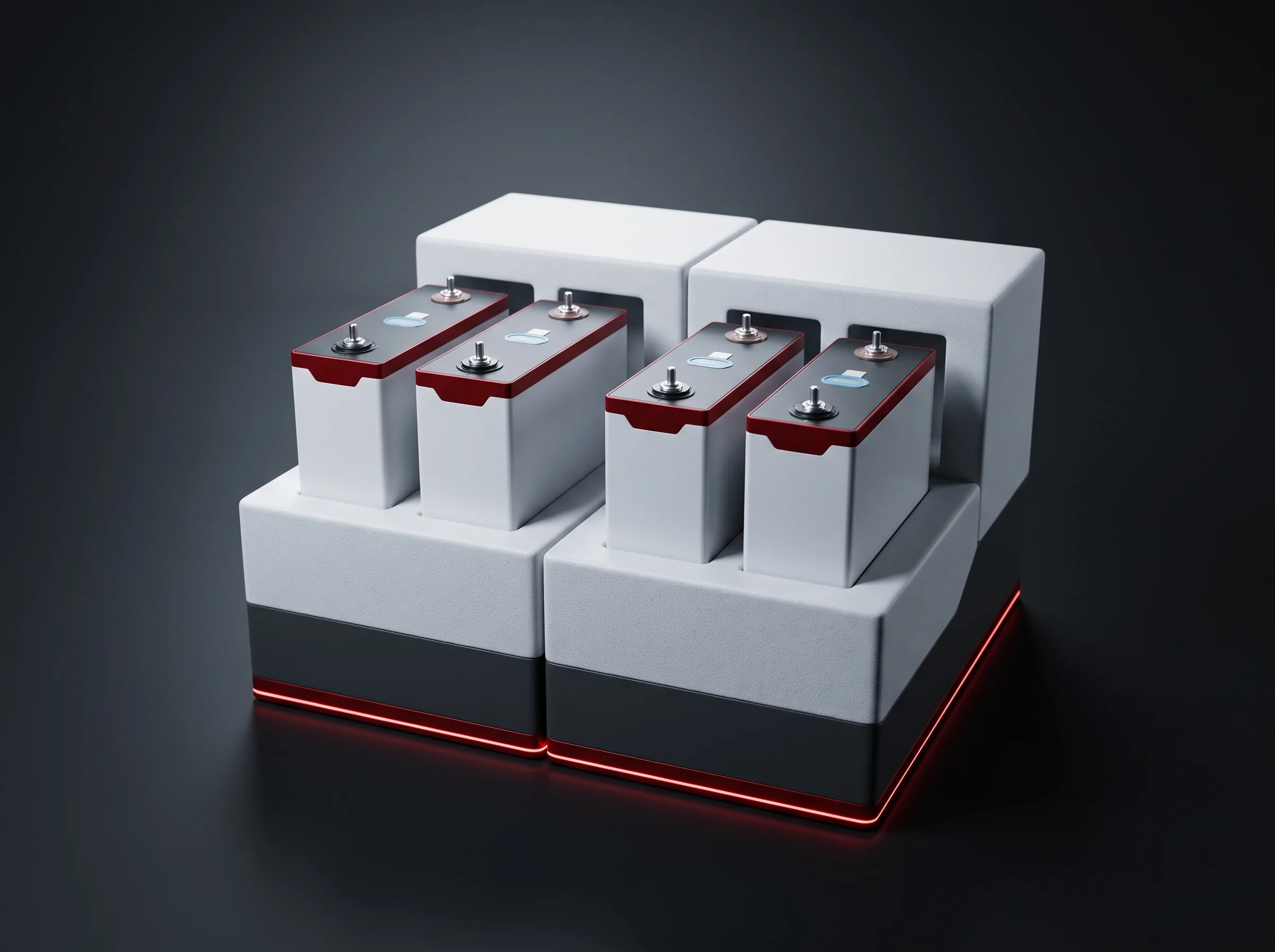
Run in our building before it runs in yours
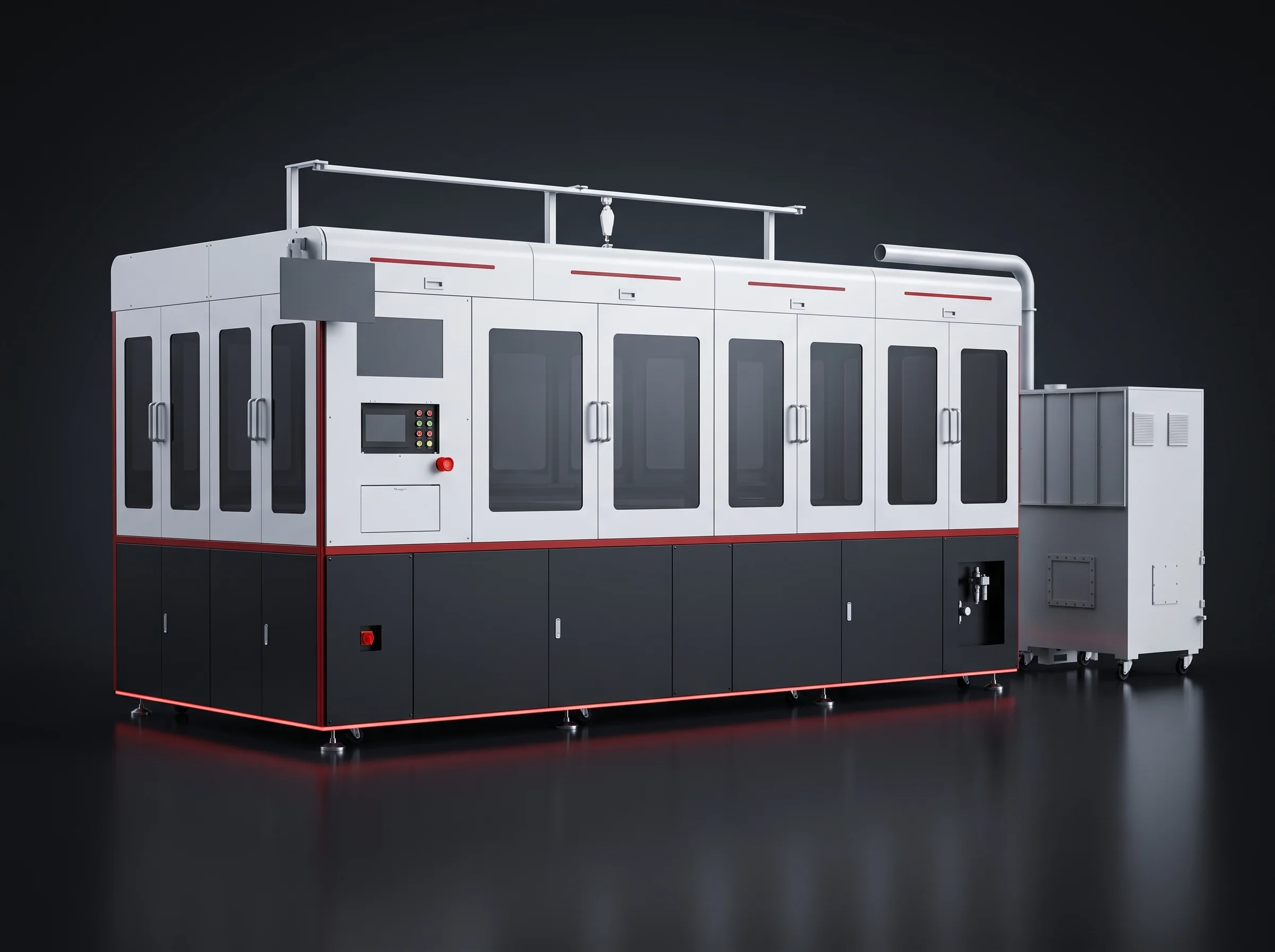
The machines are built in a 6,000 square metre hall, and three of its bays are reserved for full-line pre-assembly. A BLP-CL or BLP-CM line is stood up in a bay in its shipping configuration, powered up and run with real cells before a crate is closed. When the line runs in your plant it is the second time it has run.
- Acceptance criteria written before shipment by the engineers who set the parameters
- Signed by those same engineers at your site, not by a commissioning contractor
- Installation, commissioning, acceptance, and operator and maintenance training
- Wear parts dispatched within 48 hours of a request
- Remote diagnostics connected, so a fault can be read before anyone books a flight
More on how the company is put together is on the about page; the acceptance method itself is set out on the FAT and SAT acceptance page.
Line selection
Choosing Your Cylindrical Battery Pack Line
Two lines, and one question decides between them: what state your cells arrive in, and what the business case turns on.
| BLP-CL | BLP-CM | |
|---|---|---|
| Cells arrive | Ungraded | Already graded |
| First station | Cell sorting | Protection board welding |
| Formats | Cylindrical | Pouch, small prismatic, cylindrical |
| Output per shift | 300–600 packs | 500–1,000 packs |
| Choose it when | Pack count per shift is what the business case turns on | Your mix moves across formats within one year |
BLP-CL carries the sorting segment in front of it and the welding station is sized for the weld count a 5S2P to 13S4P pack demands. The higher output on BLP-CM comes from the shorter sequence, not from faster machines. Buyers who need both take BLP-CL as the line and add the consumer stations to it — these three serve either sequence:
If the pack in question is a large prismatic storage pack rather than a cylindrical or consumer pack, this branch is not where it is built. Those packs run on our prismatic lines, described on the battery module assembly line page and across the equipment range on the home page.
Before we quote
Six Items to Send for a Quote
Six items let us answer properly, and each one lands on a different part of the line.
Cell model and shell size
So the sorting and sleeving stations can be checked against it.
Series and parallel configuration
It sets the weld count, and therefore the output per shift.
Bracket and enclosure drawing
The loading and dispensing recipes are written against it.
Nickel strip specification and layer count
Sets the welding recipe and the pull-test criterion.
Target output per shift
Stated in packs rather than in cells.
Test items the pack has to pass
Including the voltage class, so the end-of-line table can be derated correctly.
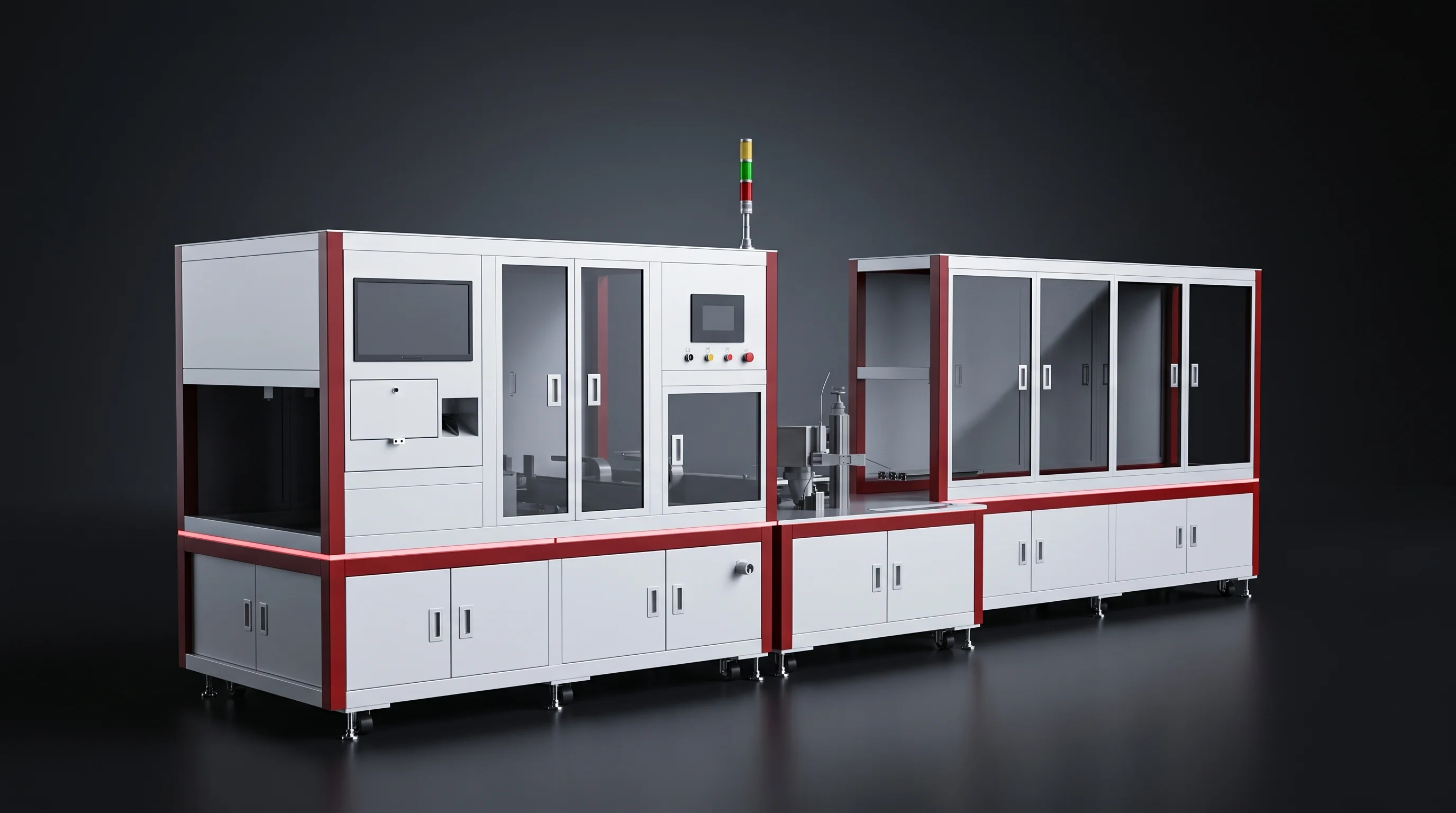
What comes back within 24 hours
- A line recommendation, with the reason behind it
- A labelled station list showing which stations are automatic and which are manual
- A layout drawn against your floor plan
- The criteria each station will be signed off against
Your enquiry, ready to send
If your email client opened, it is already in the message. If nothing opened, use one of the two routes below.
Start a project
Start Your Cylindrical Battery Pack Line
Send the six items to our engineering team and a line recommendation, station list and acceptance criteria come back within 24 hours. To buy a single station first, name the station and send the cell and bracket it has to run.